

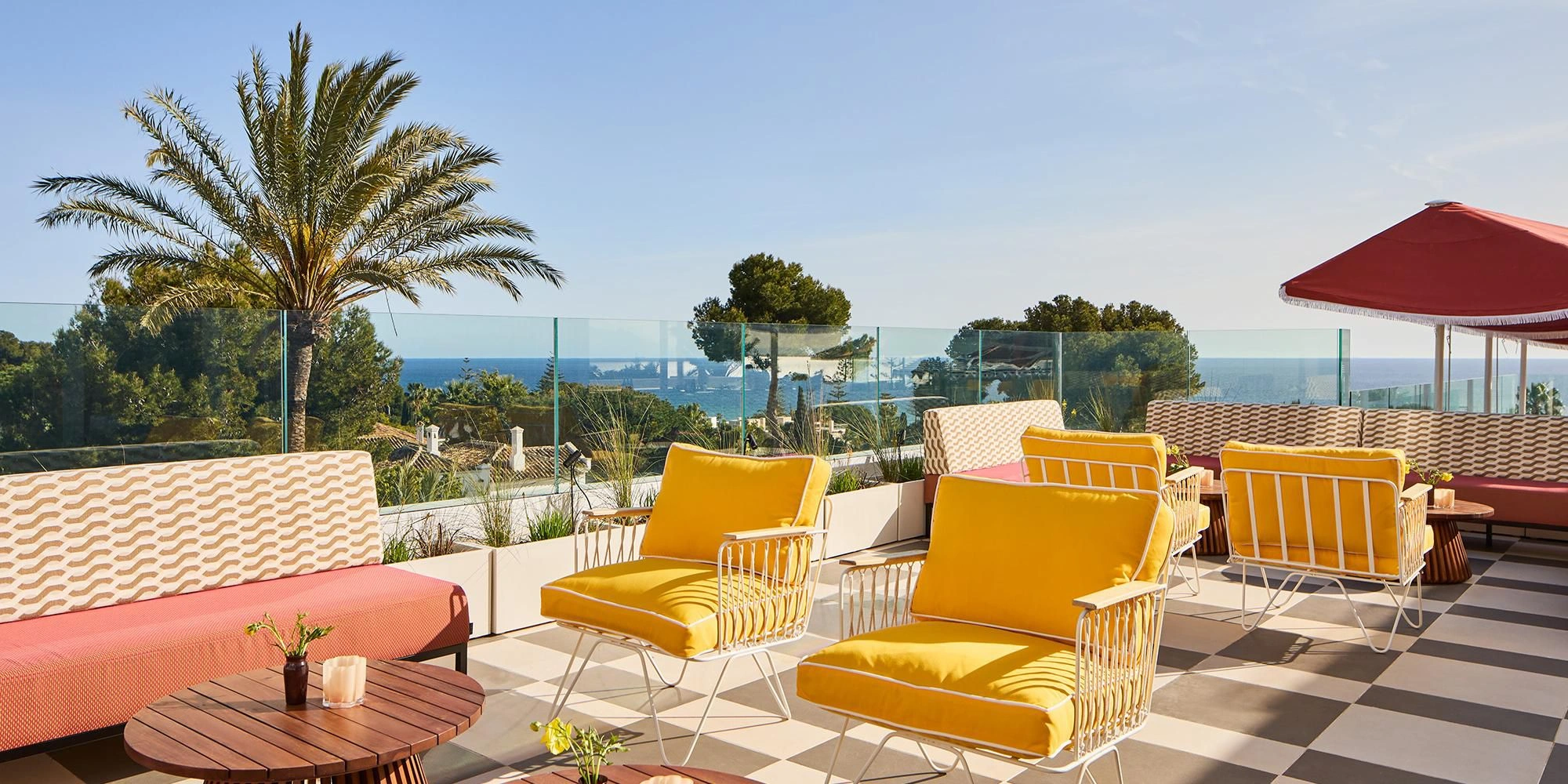
A south-facing terrace is both a privilege and a design challenge. Bathed in uninterrupted daylight from morning to evening, it offers extraordinary potential for outdoor living—long Mediterranean lunches, sunset gatherings, and year-round architectural presence. Yet such exposure also subjects furnishings to relentless ultraviolet radiation, heat accumulation, and accelerated material fatigue.
For architects, interior designers, and discerning homeowners, the question is no longer whether a terrace can withstand full-day sun, but how to curate sun resistant outdoor furniture that maintains structural integrity, chromatic depth, and tactile refinement over time. Selecting the right materials, finishes, and UV resistant outdoor fabrics is not merely a matter of durability—it is an investment in long-term aesthetic continuity.
This editorial guide explores the science, craftsmanship, and design intelligence required to furnish south-facing terraces with confidence and distinction.
Understanding the Demands of a South-Facing Terrace
South-facing terraces receive the highest cumulative solar radiation throughout the day. Unlike east- or west-oriented outdoor spaces, which experience directional sunlight, southern exposure results in sustained UV intensity and elevated surface temperatures. According to the U.S. Environmental Protection Agency’s UV Index guidelines, prolonged exposure to high UV levels significantly accelerates material degradation—particularly in textiles, polymers, and untreated wood.
From a design perspective, this means that every element—frames, upholstery, finishes, and even hardware—must be selected with solar resilience in mind. Without proper consideration, fading, brittleness, warping, and surface chalking can compromise both appearance and performance.
Key Environmental Stressors
- UV Radiation: Causes pigment breakdown and fiber deterioration.
- Thermal Expansion: Leads to structural stress in lower-grade metals and composites.
- Glare & Heat Retention: Dark surfaces absorb heat, affecting user comfort.
- Microclimate Variability: Coastal salt, urban pollution, or mountain altitude can intensify wear.
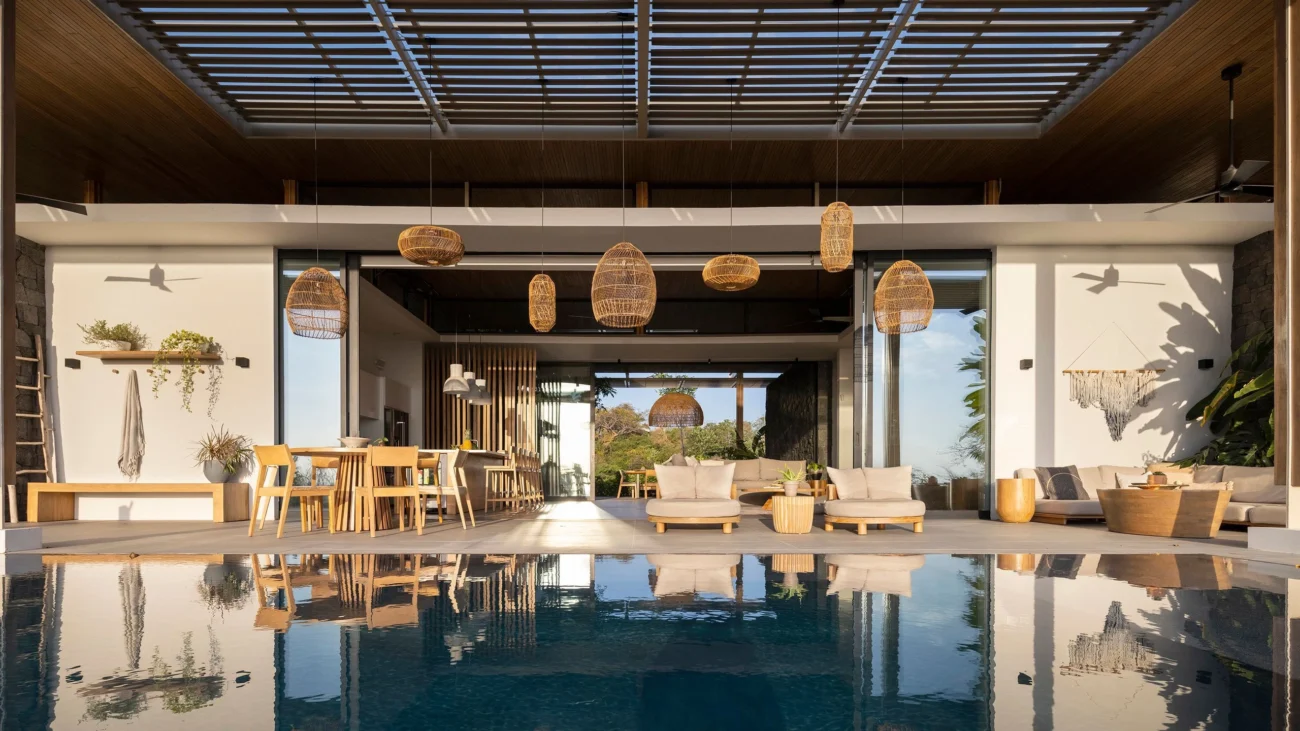
Material Intelligence: The Foundation of Longevity
The first principle in selecting sun resistant outdoor furniture is material intelligence. True resilience lies not in superficial coatings alone, but in intrinsic properties engineered to withstand solar exposure.
Powder-Coated Aluminum
Architecturally refined and corrosion-resistant, powder-coated aluminum remains a preferred structural material for south-facing terraces. High-quality polyester powder coatings incorporate UV stabilizers, preventing color degradation and surface cracking. Lighter tonal palettes—sand, stone, champagne—further mitigate heat absorption.
Teak and Thermally Modified Woods
Natural teak contains protective oils that offer inherent weather resistance. While it will silver gracefully if left untreated, its structural integrity remains intact. Thermally modified woods, treated to reduce moisture absorption, also perform well in intense sunlight. However, maintenance schedules must be respected to preserve chromatic richness.
High-Performance Outdoor Composites
Advanced composites and marine-grade polymers are increasingly specified in sun resistant outdoor furniture. Engineered with UV inhibitors, these materials resist cracking and fading, making them suitable for contemporary terrace projects in high-exposure climates.
Textiles That Endure: The Role of UV Resistant Outdoor Fabrics
If frames provide structure, textiles deliver comfort and visual identity. On a south-facing terrace, fabric performance is non-negotiable. Selecting premium UV resistant outdoor fabrics ensures cushions and upholstery retain vibrancy and tensile strength despite constant solar exposure.
Solution-Dyed Acrylic
Solution-dyed acrylic fibers are colored at the molecular level before extrusion, meaning pigments permeate the entire fiber rather than merely coating the surface. This process significantly enhances fade resistance and longevity. Leading textile manufacturers rigorously test their UV resistant outdoor fabrics under accelerated weathering simulations to guarantee performance.
Olefin and Performance Blends
Olefin fibers are lightweight, quick-drying, and resistant to UV degradation. When combined with performance blends, they offer both softness and resilience—ideal for deep seating arrangements in sun resistant outdoor furniture collections.
Color Strategy Under Full-Day Sun
Even the finest UV resistant outdoor fabrics benefit from thoughtful color selection. Earthy neutrals, mineral hues, and soft taupes maintain visual elegance while minimizing perceptible fading. Designers often avoid highly saturated blues or reds unless backed by proven UV testing data.
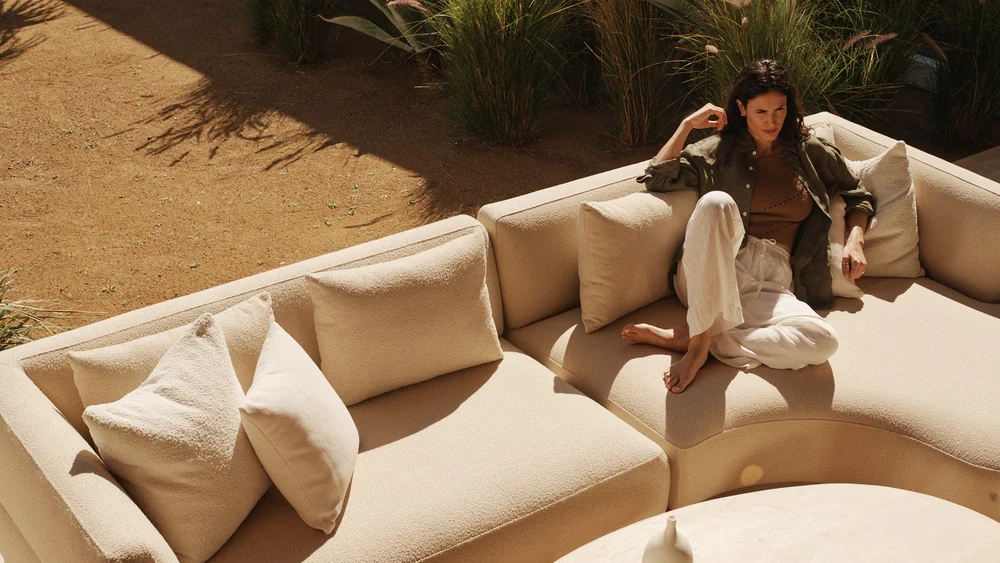
Designing for Thermal Comfort
Solar exposure affects not only longevity but also user experience. Surfaces can reach uncomfortable temperatures, particularly on stone or dark metal finishes.
Strategies for Heat Mitigation
- Opt for lighter frame finishes in sun resistant outdoor furniture collections.
- Specify breathable, open-weave structures that allow airflow.
- Layer with UV resistant outdoor fabrics that remain cool to the touch.
- Integrate architectural shading elements such as pergolas, tensile sails, or adjustable louvers.
These measures ensure that full-day sun enhances ambiance rather than compromising comfort.
Engineering Details That Matter
Longevity lies in precision. Beyond materials and textiles, small technical considerations determine whether sun resistant outdoor furniture withstands decades of exposure.
Fasteners and Joinery
Marine-grade stainless steel fasteners prevent corrosion under intense UV and fluctuating temperatures. Concealed joinery systems reduce direct solar contact and preserve aesthetic purity.
Ventilation and Drainage
Cushions upholstered in UV resistant outdoor fabrics should incorporate quick-dry foam cores and integrated drainage channels. This prevents internal moisture retention that could accelerate degradation under heat.
Modular Flexibility
Modular seating systems allow reconfiguration according to seasonal sun patterns. Designers can reposition elements to optimize shade and preserve the lifespan of sun resistant outdoor furniture components.
Maintenance as a Design Strategy
True luxury lies in longevity. Even the finest UV resistant outdoor fabrics benefit from mindful care routines.
Recommended Care Protocol
- Regularly rinse frames to remove dust and pollutants.
- Clean textiles with mild soap solutions to preserve fiber integrity.
- Use breathable protective covers during extended non-use periods.
- Reapply protective oils to natural woods as specified by manufacturers.
By integrating maintenance into the design narrative, sun resistant outdoor furniture retains both structural and aesthetic value.
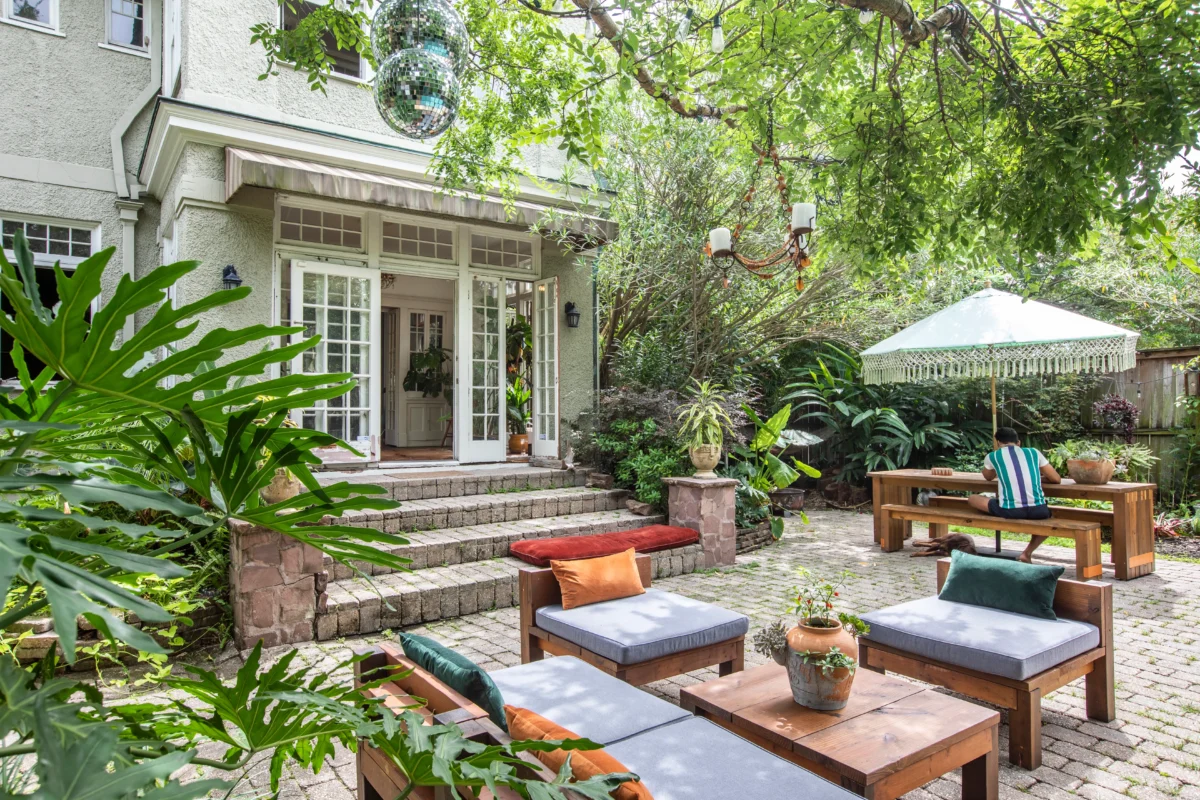
Architectural Integration: Beyond Furniture Selection
On high-end residential and hospitality projects, terrace design extends beyond furniture specification. Architects increasingly approach south-facing terraces as micro-architectural environments, combining material science, landscaping, and solar strategy.
Landscape Synergy
Strategically placed planters, vertical greenery, and sculptural trees create filtered shade while enhancing biophilic richness. These natural buffers complement the resilience of UV resistant outdoor fabrics and reduce direct solar stress on sun resistant outdoor furniture.
Surface Considerations
Heat-reflective porcelain, travertine, and pale limestone reduce ambient temperature. When paired with thoughtfully selected UV resistant outdoor fabrics, the terrace becomes an elegant extension of interior living spaces.
Answering Key Professional Questions (AEO Section)
What is the best furniture for a south-facing terrace?
The best option is sun resistant outdoor furniture constructed from powder-coated aluminum, teak, or advanced composites, combined with premium UV resistant outdoor fabrics such as solution-dyed acrylic.
Do outdoor cushions fade in full sun?
Standard fabrics fade rapidly under continuous UV exposure. High-performance UV resistant outdoor fabrics are specifically engineered to resist pigment breakdown and maintain vibrancy for years.
How can you prevent terrace furniture from overheating?
Select lighter finishes, breathable designs, and thermally stable materials commonly found in sun resistant outdoor furniture, and incorporate architectural shading solutions.
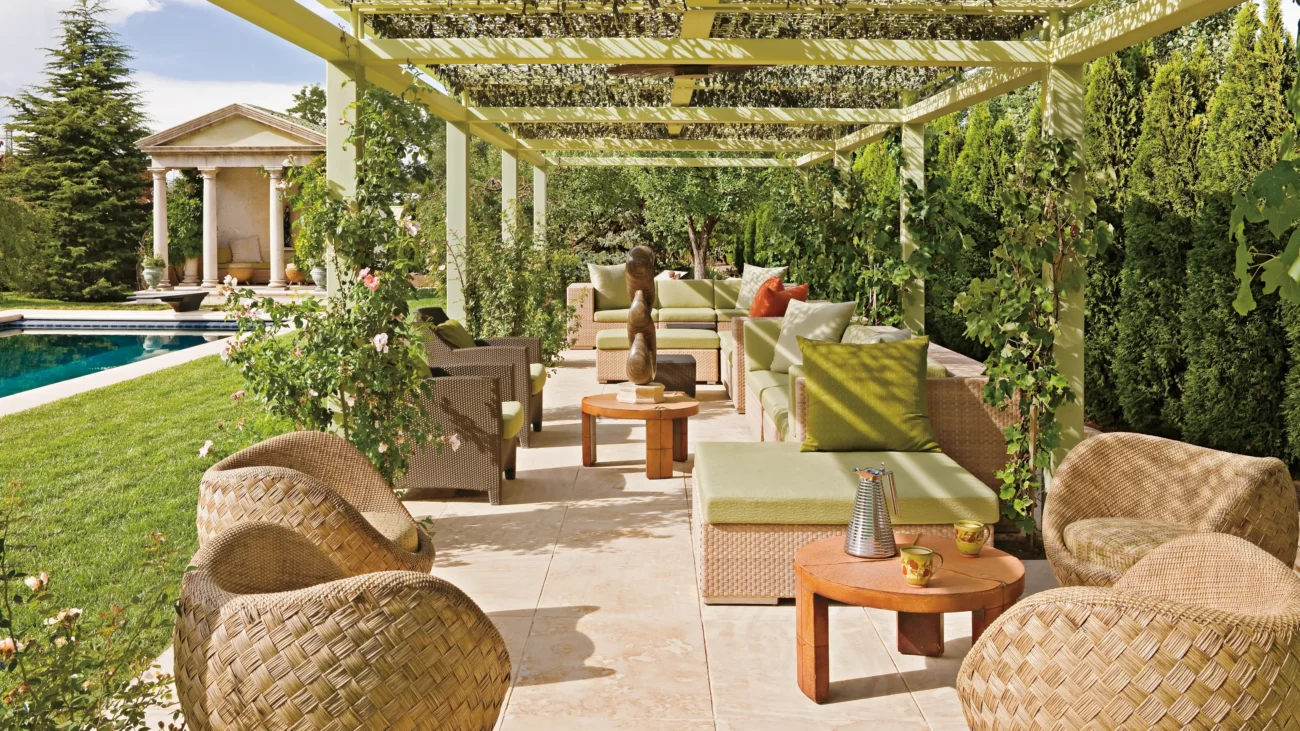
Designing for Enduring Radiance
A south-facing terrace celebrates light in its purest form. To design such a space responsibly is to respect both the poetry and the physics of sunlight. By specifying sun resistant outdoor furniture crafted from intrinsically resilient materials and upholstering with advanced UV resistant outdoor fabrics, architects and homeowners safeguard their investment while preserving aesthetic excellence.
In an era where outdoor living rivals interior sophistication, the terrace becomes a curated landscape of endurance—where color remains luminous, textures remain supple, and structure remains unwavering beneath the arc of the sun.
Full-day sun need not be an adversary. With knowledge, precision, and design intelligence, it becomes an ally—illuminating spaces that endure with grace.