

Modern Travel Icons: Luxury Hotels with Architectural Significance
The Fusion of Architecture and Hospitality
Luxury hotels are more than places to stay; they can be cultural beacons, architectural achievements, and immersive design experiences. These hotels offer a rare opportunity to witness how modern design reshapes the art of living. Each property stands not only as a retreat but also as a testament to the evolving language of architecture.
Defining the Architectural Luxury Hotel
What sets a luxury hotel apart from conventional hospitality is the union of timeless design, cultural context, and experiential living. Architectural luxury hotels often embody three key dimensions:
- Iconic Structures – Buildings that challenge norms and redefine skylines.
- Cultural Authenticity – Designs rooted in local heritage and materials.
- Experiential Spaces – Interiors curated to harmonize aesthetics with lifestyle needs.
Global Icons of Luxury Hotel Architecture
From Europe to Asia, today’s most celebrated luxury hotels merge hospitality with architectural storytelling. Below are destinations that represent the pinnacle of design sophistication.
Aman Tokyo: Minimalism in the Sky
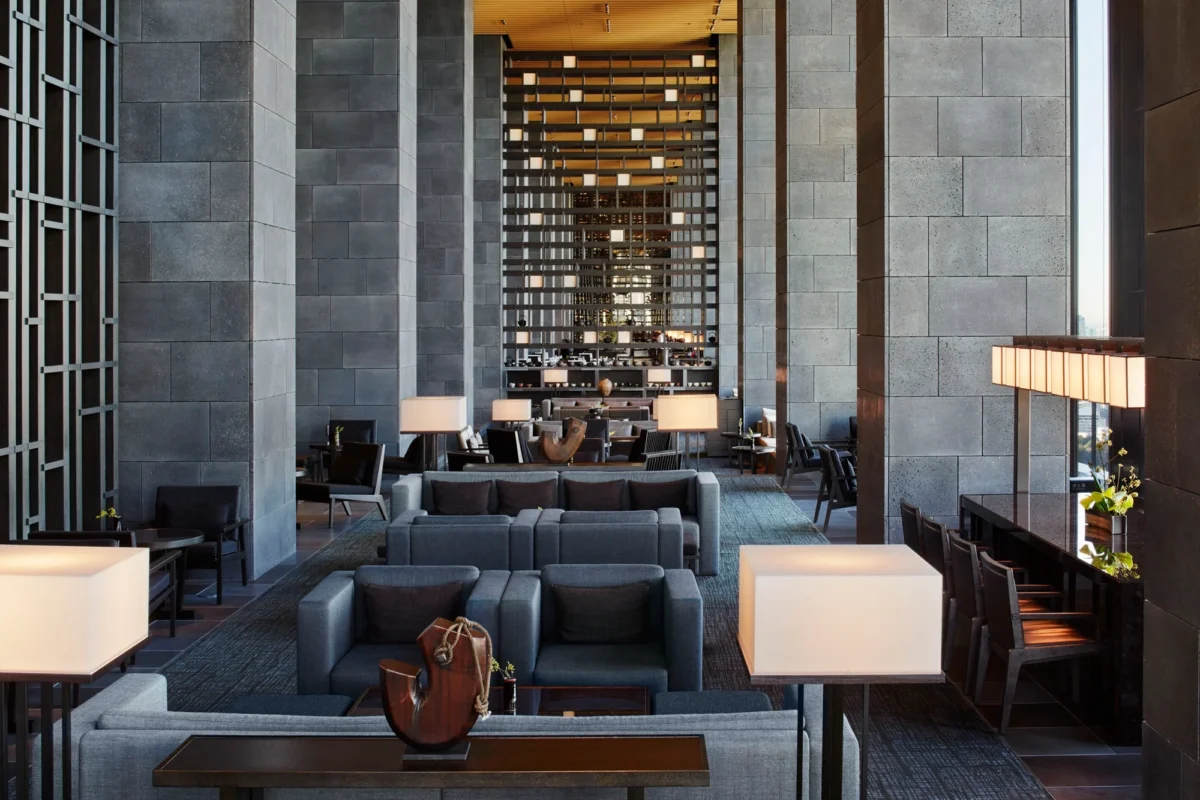
Occupying the top floors of the Otemachi Tower, Aman Tokyo embodies Japanese minimalism. With soaring ceilings, washi-paper accents, and panoramic city views, the hotel creates a serene retreat amidst urban intensity. The design reflects the balance between tradition and innovation that defines contemporary Japanese architecture.
The Bulgari Hotel, London: A Modern Classic
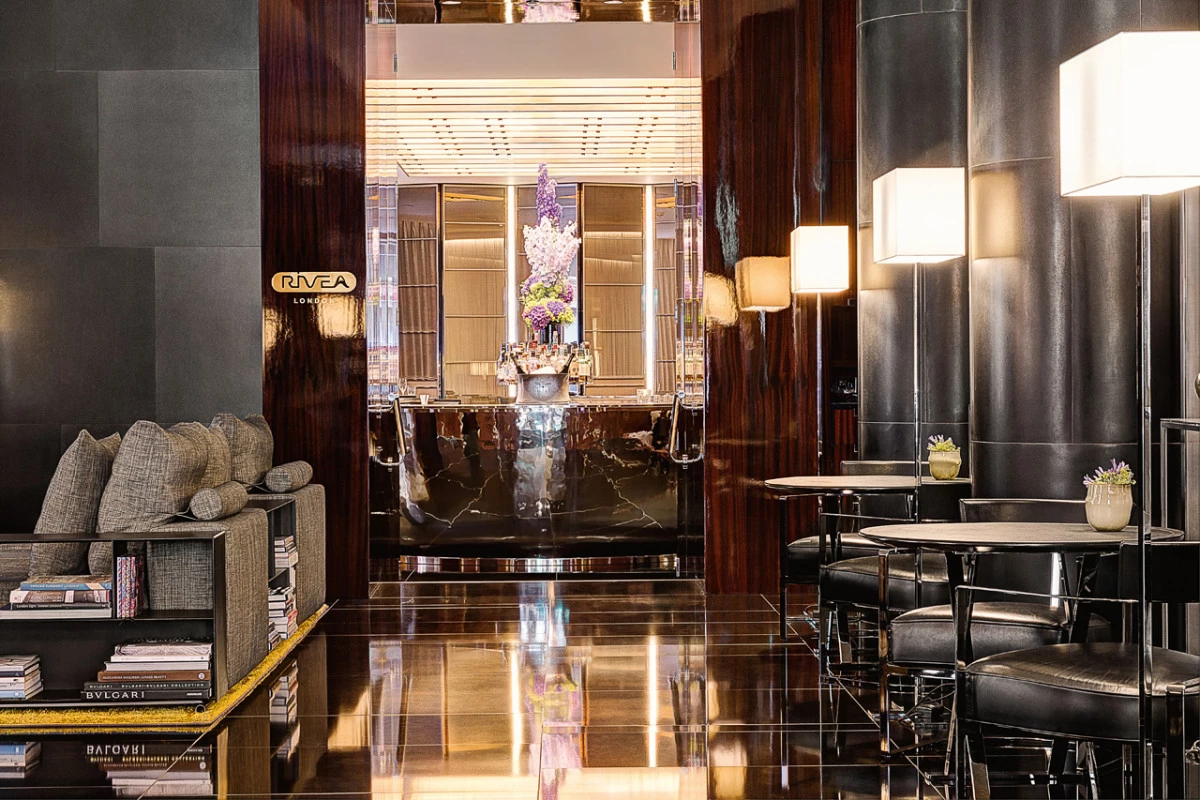
In Knightsbridge, The Bulgari Hotel combines understated elegance with meticulous craftsmanship. Featuring marble interiors, clean-lined forms, and timeless detailing, it reflects how luxury hotels can harmonize with historic neighborhoods while asserting their own architectural presence.
Burj Al Arab, Dubai: Engineering the Impossible
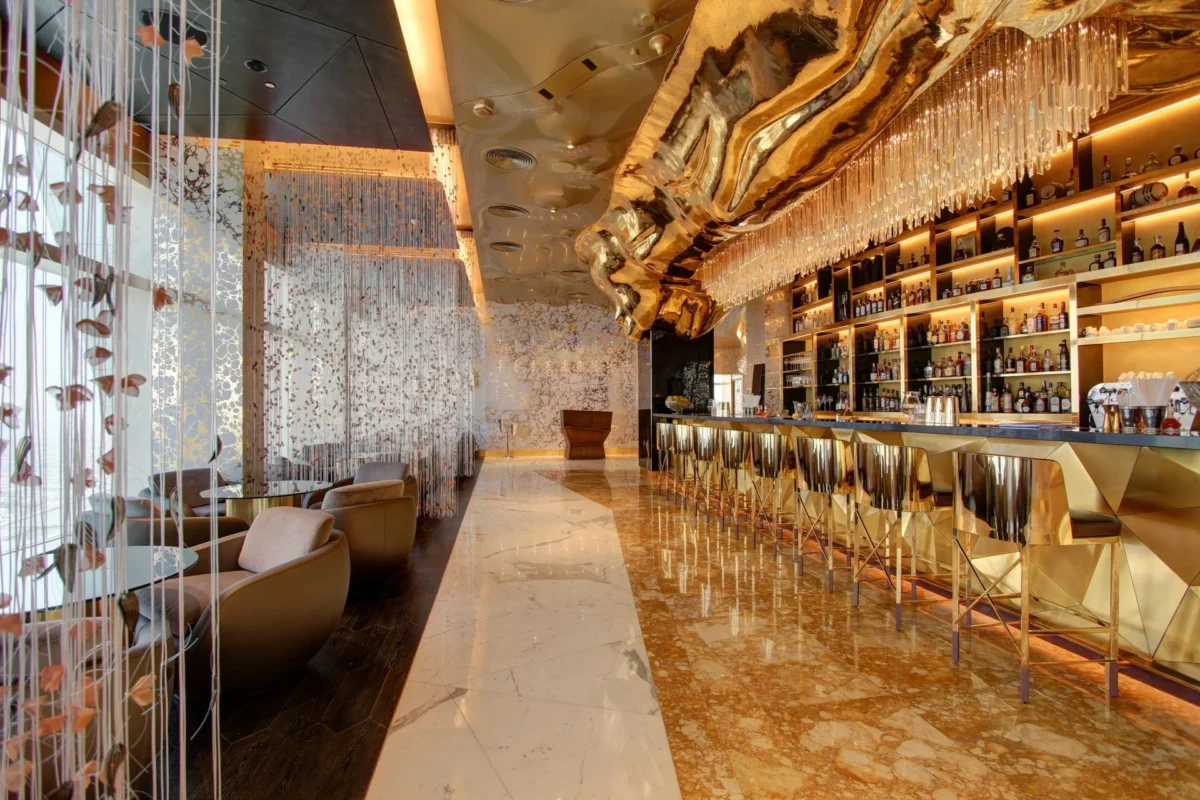
Shaped like a billowing sail, Burj Al Arab redefined what a luxury hotel could be. Its ambitious engineering and bold silhouette transformed Dubai’s coastline into a symbol of futuristic luxury. Inside, the interplay of gold, marble, and vast atriums epitomizes theatrical design.
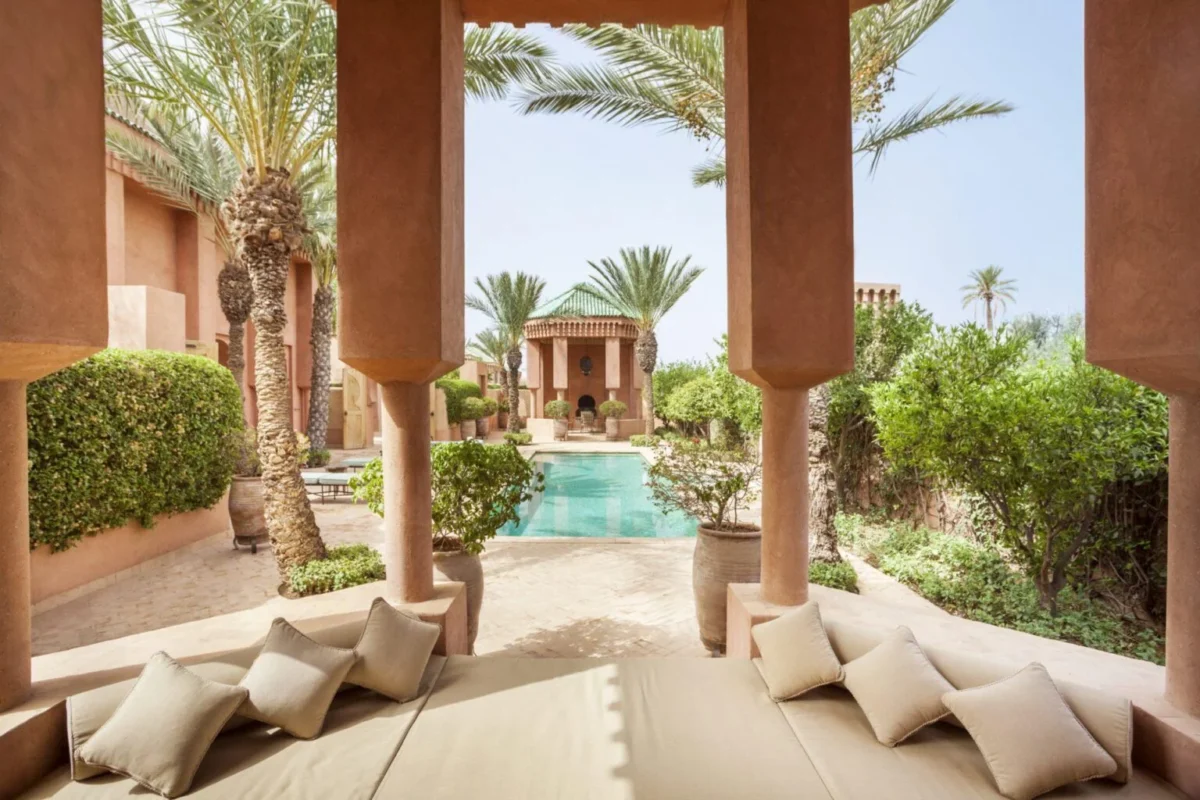
Amanjena, Marrakech: Geometry and Serenity
Inspired by Moorish architecture, Amanjena reveals how luxury can be rooted in cultural narrative. Courtyards, rose-hued pavilions, and geometric symmetry create an atmosphere of refined tranquility. The property embodies how architectural storytelling enhances the guest experience.
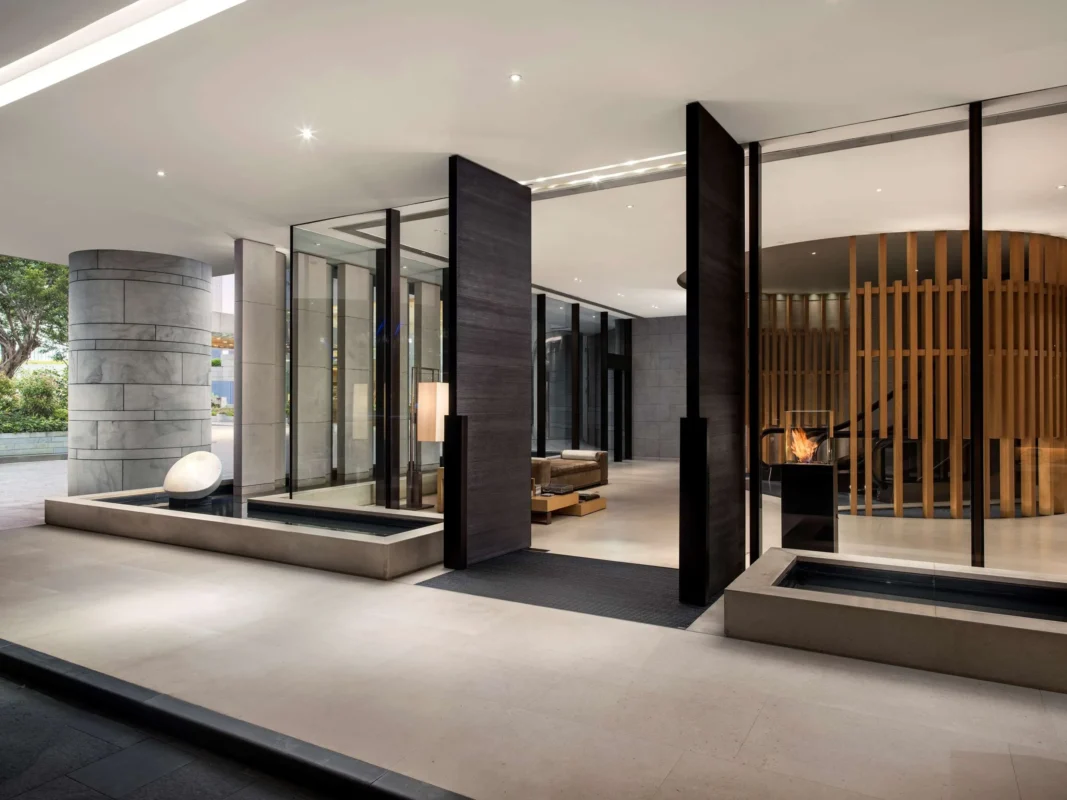
The Upper House, Hong Kong: Vertical Elegance
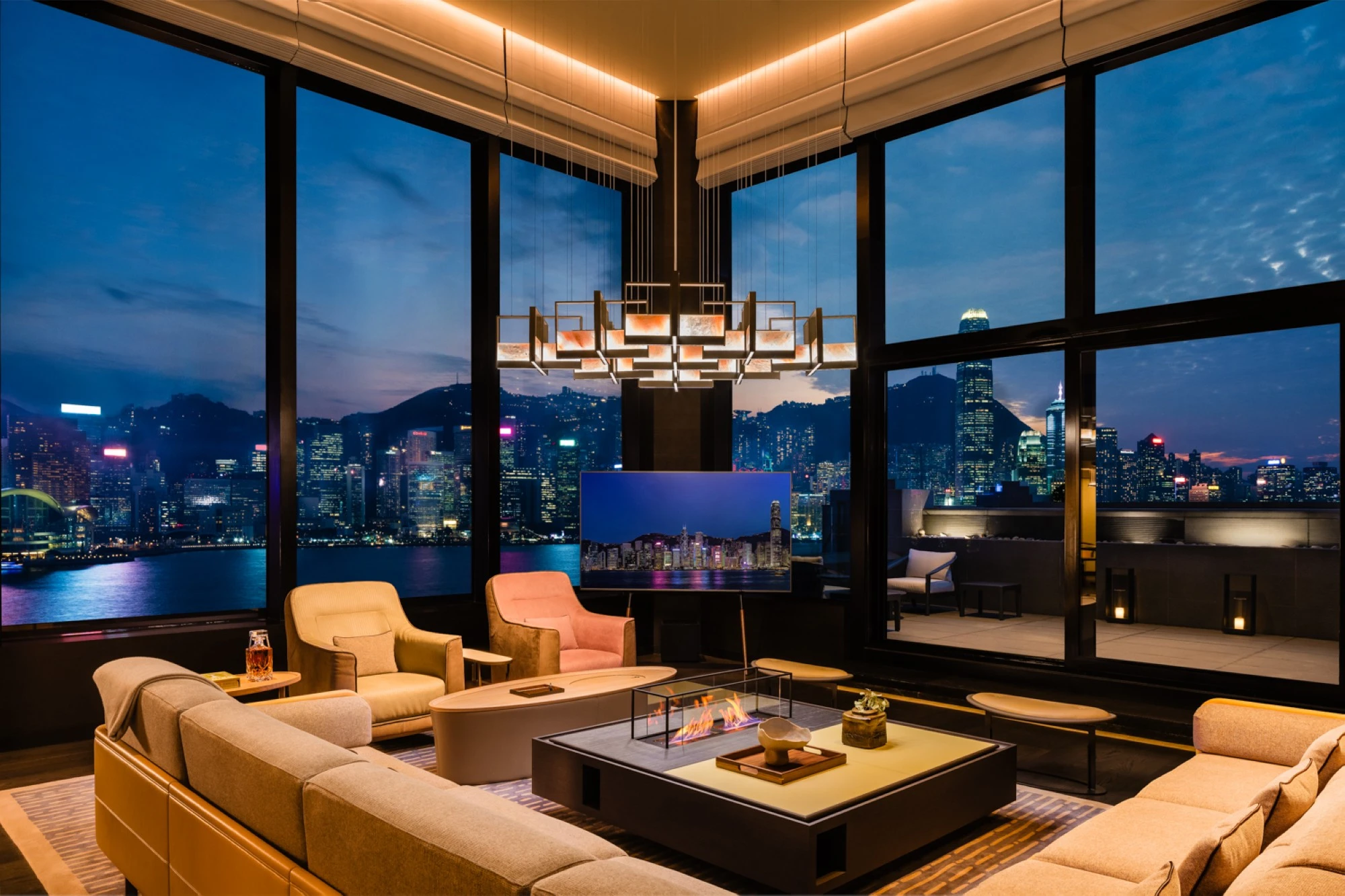
Designed by André Fu, The Upper House reimagines the vertical city hotel. Its sculptural staircases, light-infused interiors, and curated art collections reflect how modern architecture can feel intimate despite scale. It has become a reference point for design-forward luxury hotels.
Key Architectural Principles Shaping Luxury Hotels
The most influential luxury hotels share guiding principles that elevate them beyond function. These are lessons for both hospitality developers and design professionals.
- Sustainability – Integration of eco-conscious design, from renewable energy to biophilic interiors.
- Local Inspiration – Architecture that mirrors cultural and geographic context.
- Innovation – Use of new materials and technologies to push boundaries.
- Spatial Experience – Focus on flow, light, and sensory engagement.
- Art Integration – Collaborations with artists and designers to create living galleries.
Why Luxury Hotels Matter for Architects and Investors
For architects, luxury hotels are platforms to test bold ideas and influence global design standards. For investors and real estate professionals, they represent assets that combine cultural prestige with economic resilience. The architectural identity of a hotel often determines its long-term value, transforming it from real estate into an enduring landmark.
The Future of Luxury Hotel Design
As design evolves, the next generation of luxury hotels will embody deeper connections to environment and community. Expect to see:
- Eco-luxury Resorts blending regenerative design with exclusivity.
- Adaptive Reuse Projects transforming heritage buildings into design-forward retreats.
- Immersive Experiences where architecture merges with technology to create multisensory stays.
Conclusion: Travel as an Architectural Journey
For global travelers and professionals alike, luxury hotels are more than destinations, they are cultural statements. Each architectural masterpiece elevates the journey, turning travel into an exploration of design, identity, and vision. In this way, these hotels transcend hospitality, shaping not just how we live temporarily, but how we imagine the future of luxury itself.
Why Mediterrazza?
At Mediterraza, we understand the role of design in shaping exceptional outdoor spaces. Discover our collection of outdoor furniture, crafted to bring harmony and enduring comfort to open-air environments.
Our Bespoke Section features outdoor design projects with custom-made furniture that transform every exterior into a unique expression of art and lifestyle.