
Across architecture and urban development, Landscape Design has entered a transformative phase. Climate change, rising temperatures, water scarcity, and extreme weather events are forcing designers, architects, and urban planners to rethink how outdoor environments function. Instead of focusing solely on aesthetics, contemporary landscape projects must respond intelligently to environmental conditions while still delivering exceptional visual and experiential value.
For outdoor designers, furniture brands, and luxury design studios, climate-responsive Landscape Design presents both a challenge and an opportunity. It encourages the creation of outdoor spaces that balance beauty, ecological resilience, and long-term performance. As a result, landscapes now play a central role in shaping sustainable architecture and luxury environments.
The Evolution of Landscape Design in a Changing Climate
Historically, landscape architecture emphasized ornamental gardens, geometric layouts, and curated plant palettes. While these elements remain important, environmental conditions now strongly influence design strategies.
Climate-responsive Landscape Design integrates ecological intelligence into the planning process. Designers evaluate solar exposure, wind patterns, water availability, and seasonal temperature fluctuations before selecting materials or vegetation.
Rather than imposing a rigid design language onto the landscape, modern projects work with natural systems. This approach produces outdoor spaces that adapt to climate pressures while maintaining high aesthetic standards.
For luxury developments, climate-sensitive landscapes also enhance property value. Clients increasingly expect outdoor environments that support sustainability, reduce resource consumption, and improve long-term environmental performance.
Water-Conscious Design Strategies
Water management sits at the core of climate-responsive Landscape Design. In many regions, water scarcity and unpredictable rainfall patterns have pushed designers to reconsider traditional irrigation-heavy landscapes.
Drought-Resistant Planting
Designers now prioritize native and drought-tolerant plant species that thrive within local ecosystems. These plant palettes require less irrigation while supporting biodiversity and soil health.
Grasses, Mediterranean shrubs, succulents, and regional flowering plants often replace water-intensive lawns. The result is a landscape that feels authentic to its environment while maintaining visual richness.
Smart Irrigation Systems
Advanced irrigation technology also plays a key role. Sensor-based systems monitor soil moisture, rainfall levels, and temperature conditions. They deliver water precisely where it is needed and reduce waste.
For luxury residential projects, this technology allows expansive landscapes to maintain healthy vegetation while minimizing resource consumption.
Rainwater Harvesting and Bioswales
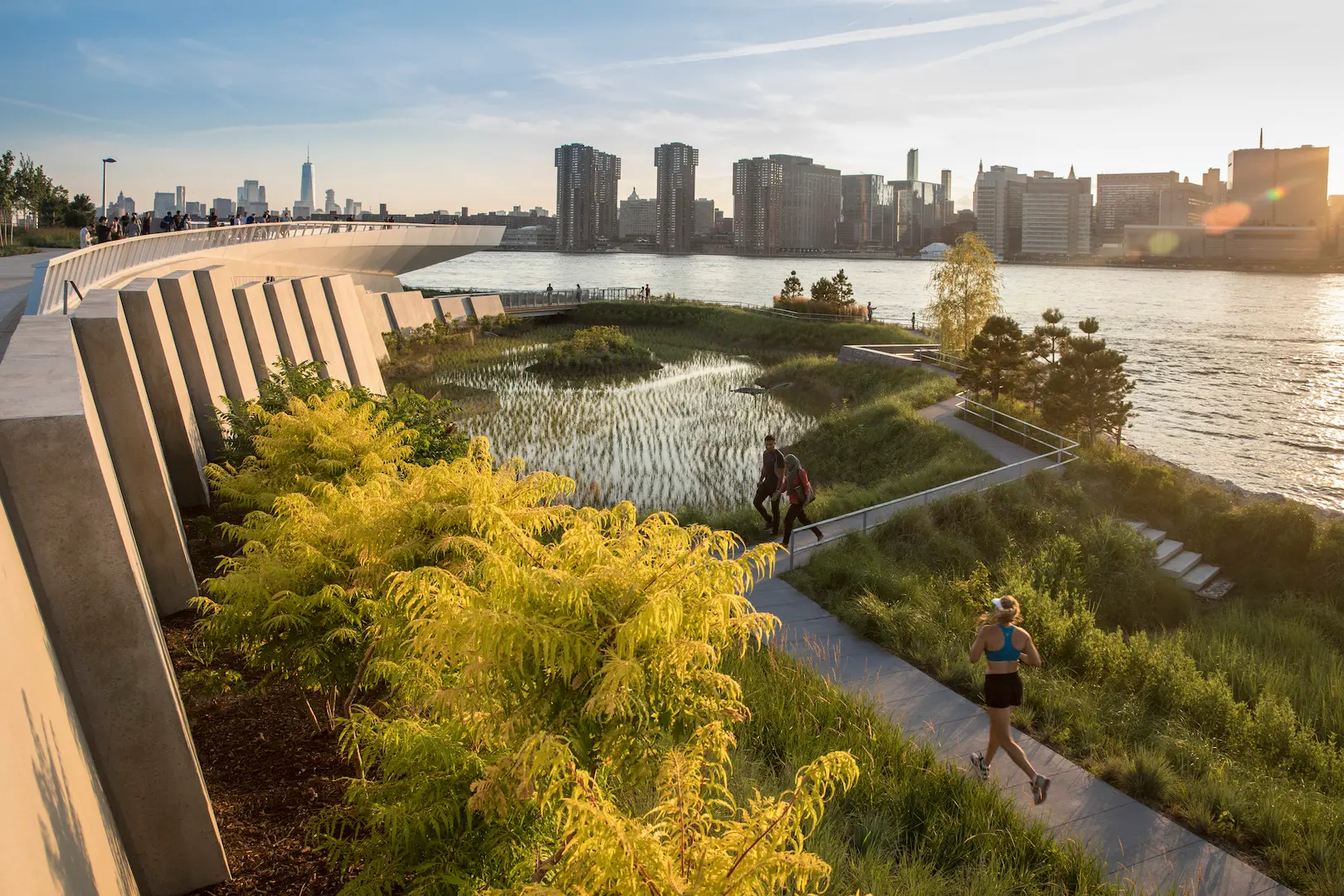
Rainwater management systems increasingly shape landscape layouts. Bioswales, permeable paving, and rain gardens help capture and filter stormwater before it reaches urban drainage systems.
These features transform landscapes into functional infrastructure that protects cities from flooding while supporting plant life.
Designing for Heat and Urban Cooling
Rising global temperatures have elevated the importance of thermal comfort in outdoor environments. Climate-responsive Landscape Design actively reduces heat buildup through strategic planting, materials, and spatial planning.
Tree Canopies and Natural Shade
Trees serve as one of the most powerful climate tools in landscape architecture. Large canopy trees provide natural shade that cools surrounding spaces and reduces heat island effects.
Architects and landscape designers increasingly integrate tree placement into early site planning. Carefully positioned trees shade outdoor dining areas, seating zones, pathways, and building facades.
Reflective and Permeable Materials
Material selection also affects thermal performance. Traditional paving materials absorb and radiate heat, making outdoor spaces uncomfortable during warm seasons.
Climate-aware projects use permeable stone, light-colored aggregates, and porous concrete to reduce surface temperatures. These materials reflect sunlight and allow water infiltration, improving both comfort and sustainability.
Water Features for Microclimate Cooling
Water elements such as reflecting pools, fountains, and shallow channels contribute to localized cooling. In luxury landscapes, these features also introduce sound, movement, and visual serenity.
When integrated thoughtfully, water features enhance both the climatic performance and experiential quality of outdoor spaces.
Resilient Plant Communities
Another defining characteristic of climate-responsive Landscape Design is the creation of resilient plant ecosystems rather than isolated ornamental specimens.
Designers now favor layered plant communities that mimic natural environments. These combinations include trees, shrubs, grasses, and ground covers that interact to support soil health and biodiversity.
Benefits of resilient plant communities include:
- Improved resistance to pests and disease
- Better soil moisture retention
- Reduced maintenance requirements
- Greater ecological stability
For luxury developments, these living ecosystems produce landscapes that feel dynamic and immersive while remaining environmentally responsible.
Integrating Outdoor Furniture with Climate-Sensitive Landscapes
Furniture brands and outdoor designers increasingly collaborate with landscape architects to create cohesive climate-responsive environments.
Outdoor furniture must perform under extreme weather conditions while complementing the surrounding landscape. Materials such as powder-coated aluminum, sustainably sourced teak, and advanced outdoor textiles offer durability without sacrificing elegance.
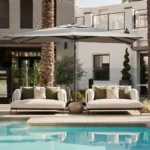
Climate-responsive Landscape Design often organizes furniture zones around shaded terraces, pergolas, and planted courtyards. These spaces encourage outdoor living even in regions with intense sun or seasonal temperature shifts.
Modular outdoor furniture systems also support flexible use. Designers can adapt seating arrangements as climate conditions change throughout the day or year.
Technology and Data in Modern Landscape Planning
Digital tools now support climate-informed design decisions. Advanced modeling software allows designers to simulate environmental conditions across a site.
These tools analyze:
- Solar exposure throughout the year
- Wind patterns and airflow
- Stormwater movement
- Vegetation growth patterns
By using environmental data during early planning phases, landscape architects create outdoor spaces that perform efficiently over decades.
This data-driven approach allows luxury developments to integrate sustainability without compromising design sophistication.
Climate-Responsive Landscapes in Urban Architecture
Cities around the world increasingly rely on climate-responsive Landscape Design to address environmental challenges.
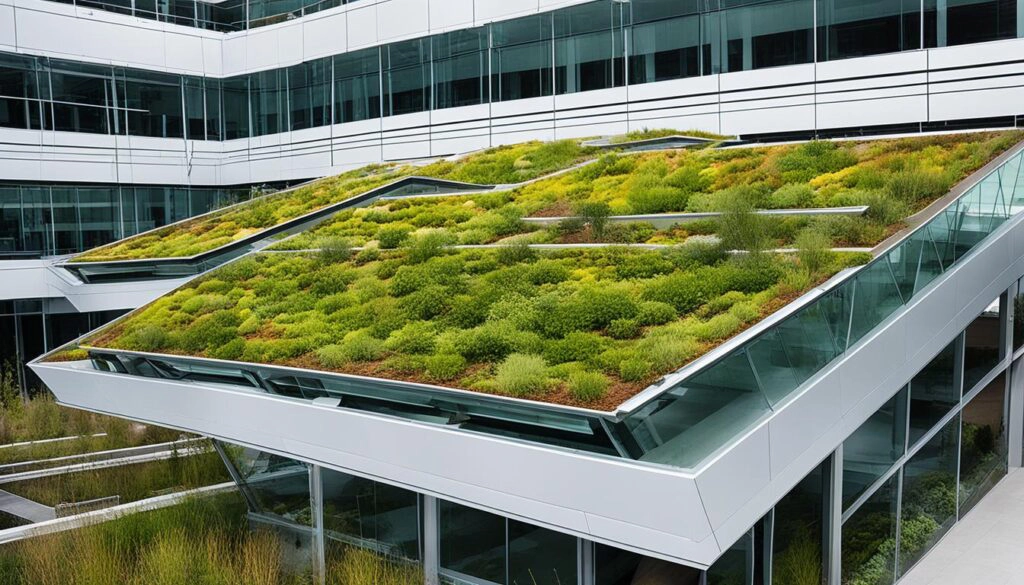
Green roofs, vertical gardens, and urban parks help regulate temperature, manage stormwater, and improve air quality. In dense urban districts, landscaped terraces and courtyards create essential outdoor living spaces.
Architectural projects now integrate landscape design as a structural component rather than an afterthought. The result is a more holistic relationship between buildings, outdoor environments, and surrounding ecosystems.
Luxury hotels, mixed-use developments, and high-end residential towers increasingly use layered landscaping to create immersive outdoor experiences within dense urban environments.
The Future of Landscape Design
As climate pressures intensify, Landscape Design will continue to evolve beyond traditional aesthetics. Designers will focus on creating landscapes that operate as living infrastructure—spaces that regulate temperature, manage water, support biodiversity, and improve human well-being.
For outdoor designers, architects, and furniture brands, this shift opens new creative possibilities. Climate-responsive landscapes encourage innovation in materials, planting strategies, and spatial planning.
The most successful projects will combine ecological intelligence with refined design language. These landscapes will not only adapt to environmental conditions but also redefine how people experience outdoor space.
In the coming decades, climate-responsive Landscape Design will shape the future of architecture and urban living—transforming gardens, terraces, and public spaces into resilient environments where beauty and sustainability coexist.