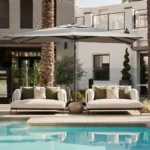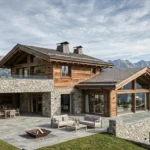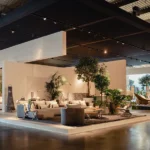

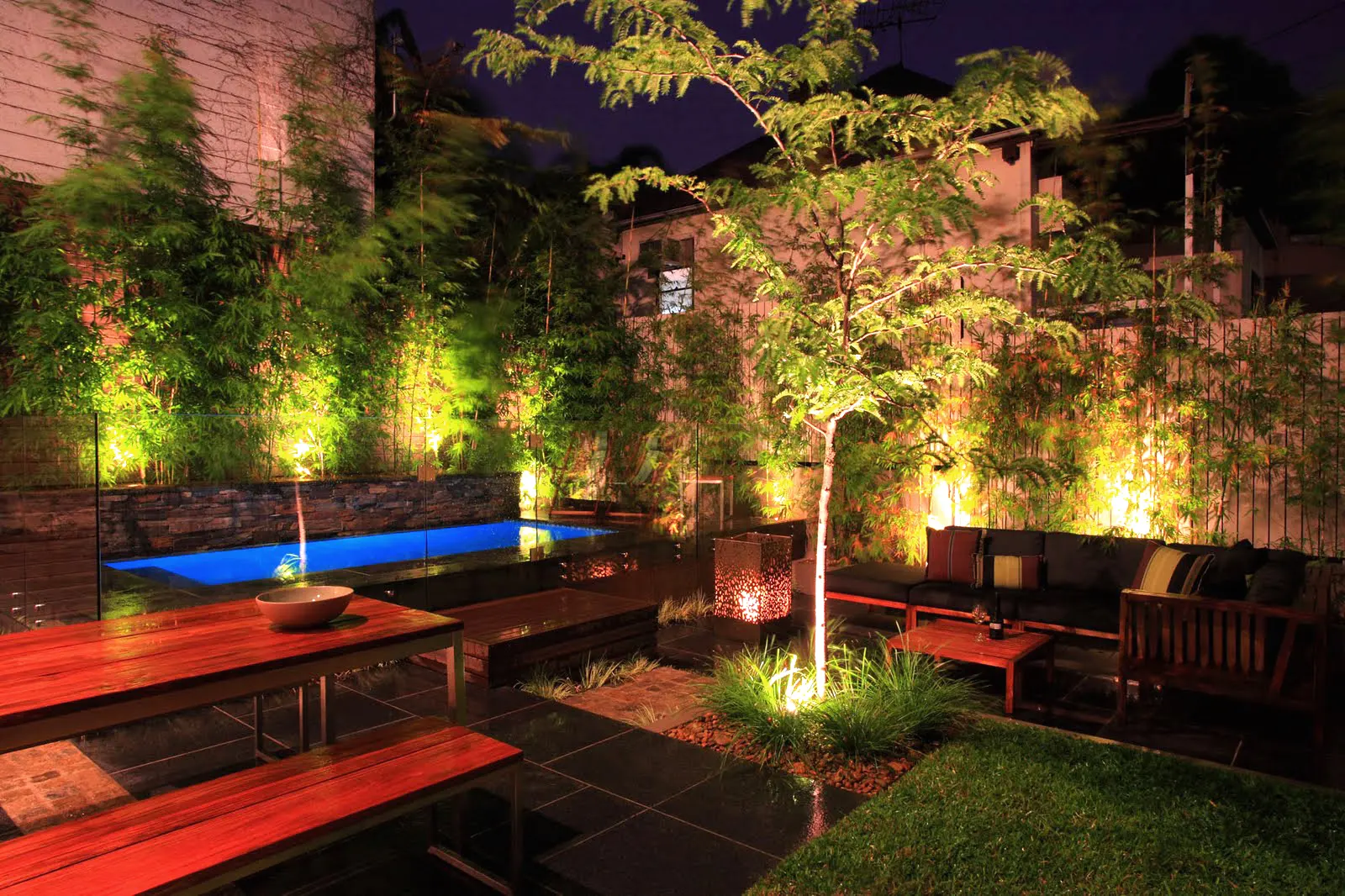
Luxury outdoor spaces no longer rely solely on landscape design, architecture, or furniture to create atmosphere. Outdoor Lighting now plays a central role in shaping how gardens, terraces, and exterior living environments function after sunset. For outdoor designers, furniture brands, architects, and luxury design studios, lighting has become one of the most powerful tools for transforming a space.
The newest generation of outdoor lighting systems blends technology, craftsmanship, and architectural thinking. Designers now use light to sculpt landscapes, highlight materials, guide circulation, and extend the usability of outdoor areas long into the evening. In high-end residential projects, boutique hospitality environments, and luxury terraces, lighting often determines whether a garden feels ordinary or extraordinary.
This article explores the top Outdoor Lighting trends that are redefining luxury gardens and terraces in 2026 and beyond.
Why Outdoor Lighting Has Become Essential in Luxury Landscape Design
Luxury outdoor spaces operate as full living environments. Clients expect terraces, gardens, and courtyards to function like outdoor rooms. Effective Outdoor Lighting supports that expectation.
Professional lighting strategies help designers achieve several goals:
- extend outdoor living hours
- enhance safety and navigation
- highlight architectural and landscape features
- emphasize textures, plants, and materials
- create atmosphere and emotional experience
Well-designed lighting also increases property value. It enhances the nighttime identity of luxury residences, hospitality properties, and commercial landscapes.
For furniture brands and outdoor design studios, lighting now interacts directly with seating arrangements, dining zones, and lounge areas. The result is a carefully orchestrated nighttime environment.
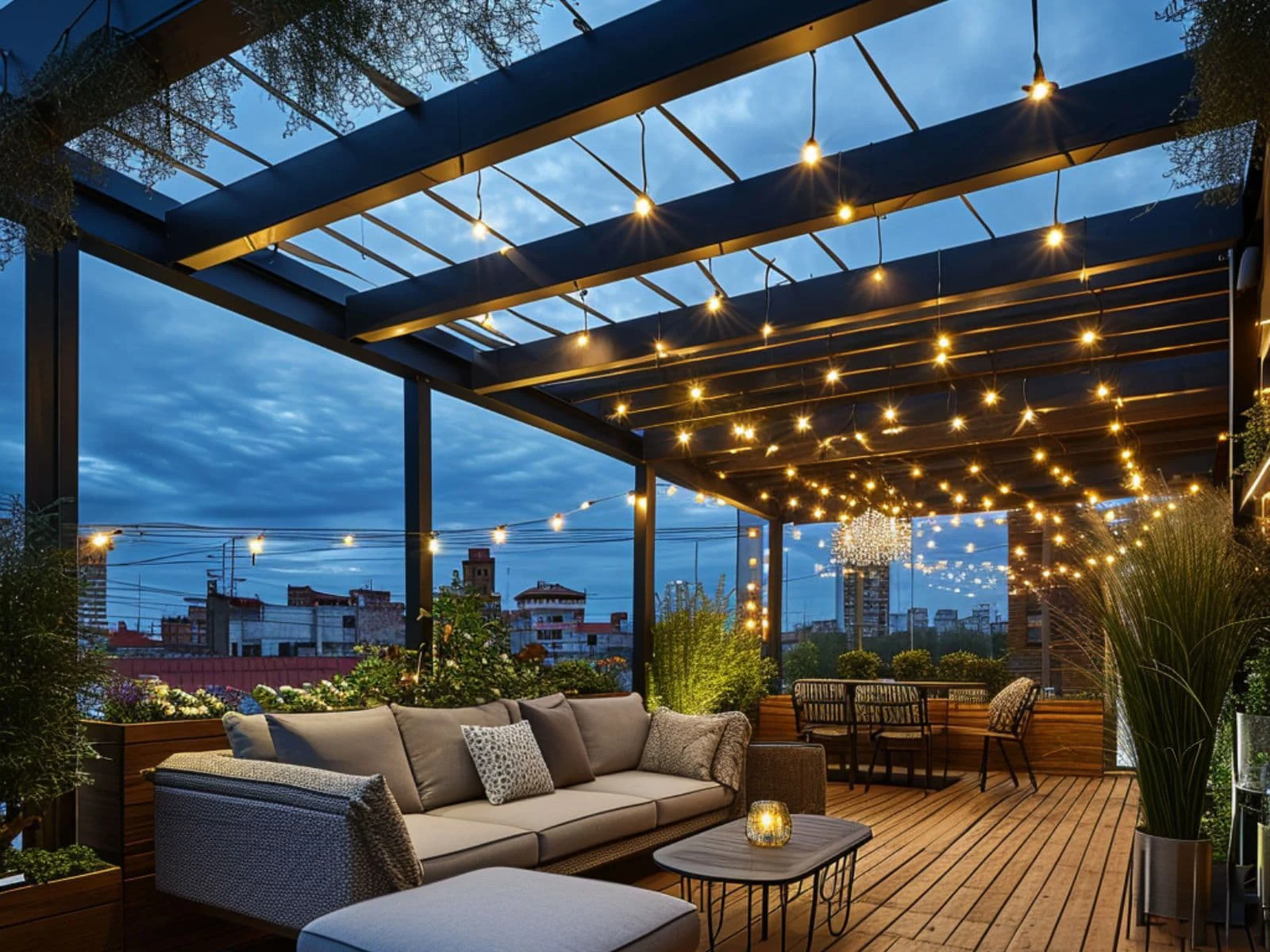
Top Outdoor Lighting Trends for Luxury Gardens and Terraces
1. Layered Lighting Design
The most important trend in Outdoor Lighting involves layering different lighting types to create depth and balance. Designers rarely rely on a single lighting source anymore.
A layered strategy usually combines:
- ambient lighting for overall illumination
- accent lighting to highlight plants or architecture
- task lighting for dining and circulation areas
- decorative lighting for visual interest
This approach mirrors interior lighting design principles. Gardens now function as complete design environments rather than simple landscapes.
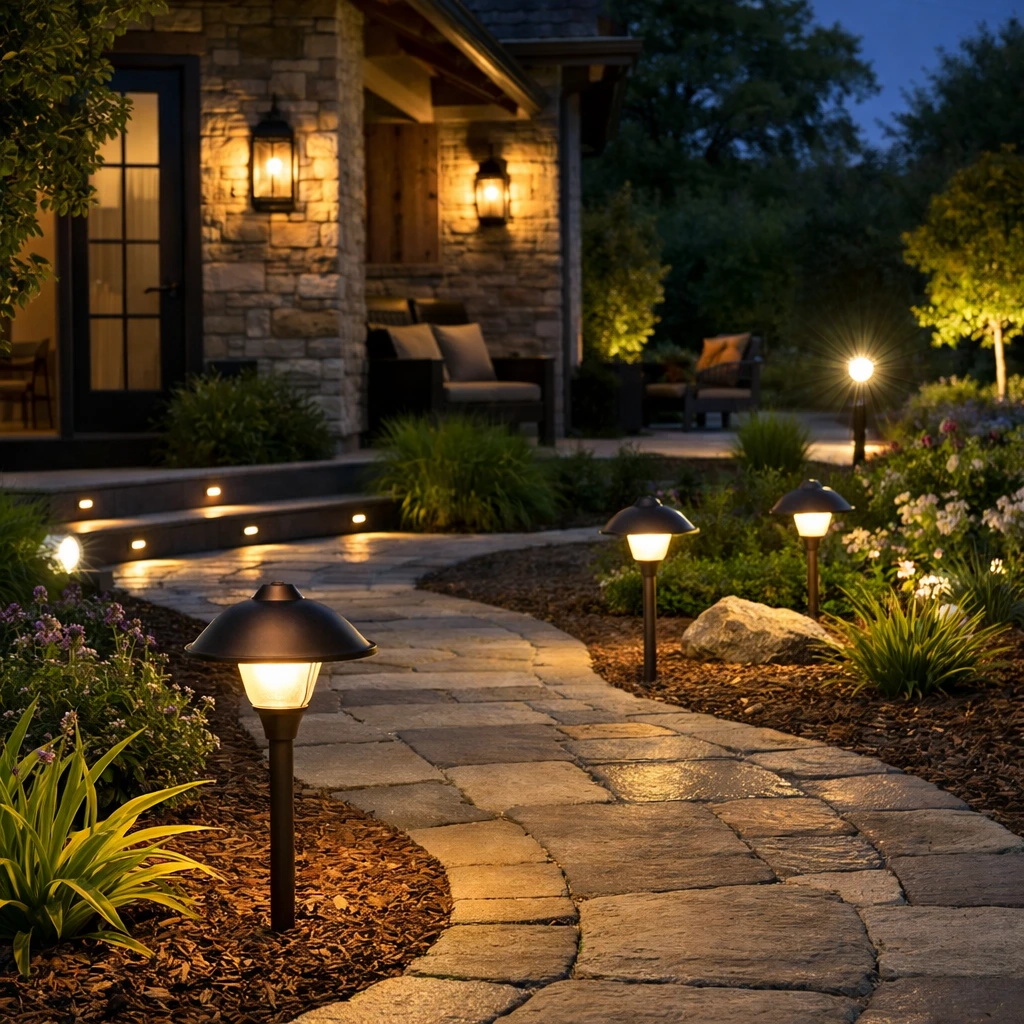
Luxury designers often combine pathway lights, uplights, lanterns, and subtle architectural fixtures to create a dynamic composition.
2. Minimalist Architectural Fixtures
Modern luxury landscapes favor lighting fixtures that blend seamlessly with the architecture. Instead of decorative or ornate lamps, many designers now prefer discreet systems that allow the light itself to become the visual focus.
Popular minimalist Outdoor Lighting fixtures include:
- recessed ground lights
- slim bollard lights
- hidden LED strips integrated into steps
- architectural wall washers
These fixtures maintain clean lines and modern aesthetics. They also complement contemporary garden architecture and outdoor furniture design.
For architects and luxury studios, minimal lighting solutions support refined visual continuity.
3. Warm, Human-Centered Light Temperatures
Lighting color temperature has become a major design consideration. Harsh white light can destroy the atmosphere of a luxury garden. Designers now prioritize warmer tones.
Most luxury Outdoor Lighting systems use temperatures between 2200K and 3000K, which mimic candlelight or sunset warmth.
This approach produces several benefits:
- enhances natural materials such as stone and wood
- creates relaxed outdoor lounge environments
- reduces glare and visual fatigue
- supports more natural nighttime landscapes
Warm lighting also photographs beautifully, which matters for design studios showcasing projects in editorial features or brand portfolios.
4. Landscape Highlighting and Plant Sculpting
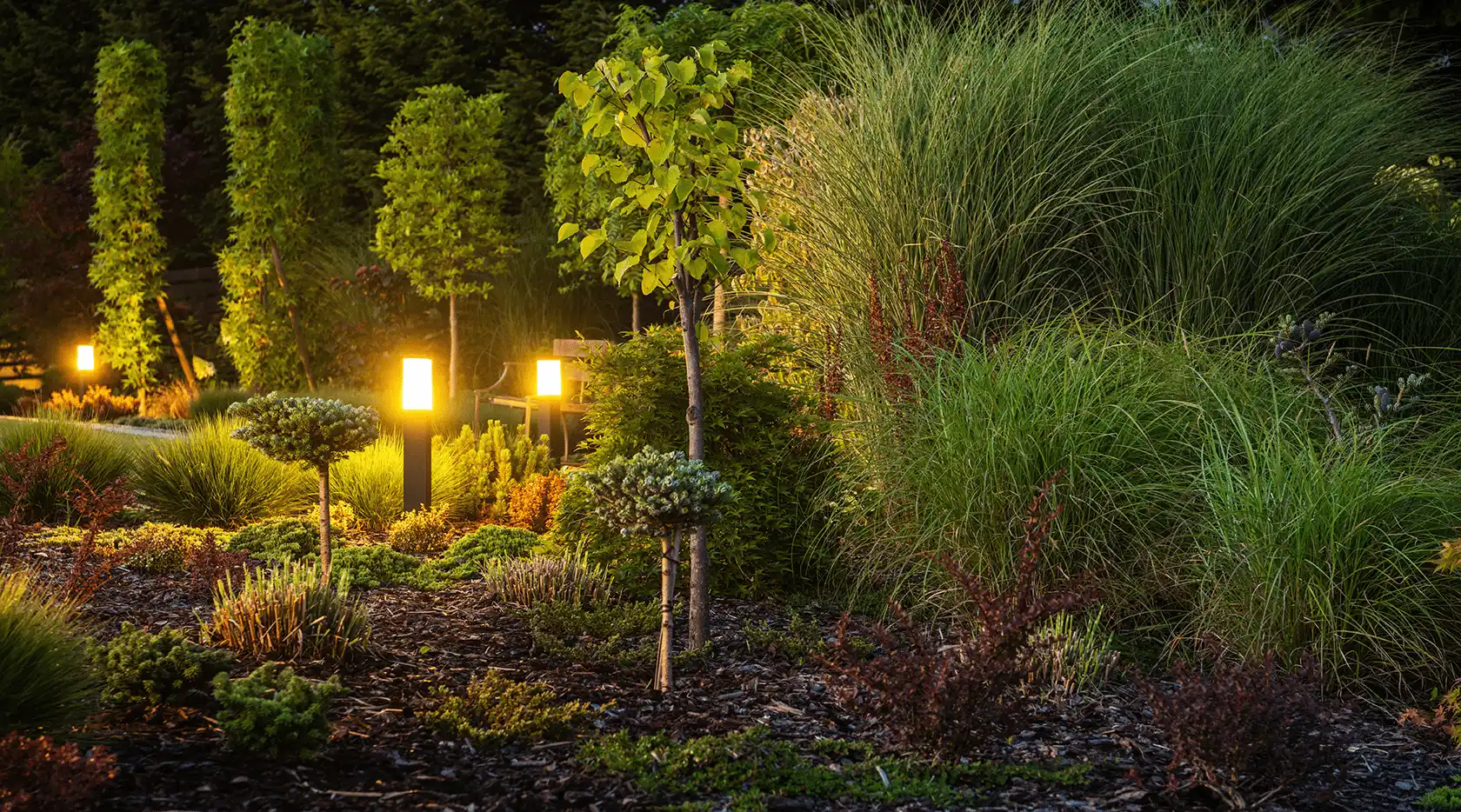
Luxury landscape design increasingly treats plants as sculptural forms. Lighting allows designers to emphasize those shapes after dark.
Strategic Outdoor Lighting can highlight:
- mature trees
- ornamental grasses
- architectural hedges
- stone walls
- water features
Uplighting remains one of the most powerful tools in landscape lighting. A single tree illuminated from below can become the focal point of an entire garden.
Designers often position fixtures carefully to avoid glare while emphasizing texture and movement.
5. Smart and Adaptive Lighting Systems
Technology now plays a significant role in modern Outdoor Lighting. Smart lighting systems allow designers and homeowners to control illumination through mobile apps or automated programs.
Smart systems offer features such as:
- programmable lighting scenes
- automatic dusk-to-dawn transitions
- remote brightness control
- energy efficiency monitoring
- integration with home automation systems
Luxury terraces often use adaptive lighting that shifts throughout the evening. Early evening may feature brighter illumination for dining, while late-night settings create softer lounge atmospheres.
For hospitality environments and high-end residential projects, adaptive lighting enhances user experience and energy management.
6. Hidden Lighting in Outdoor Architecture
Architectural integration represents one of the fastest-growing Outdoor Lighting trends. Designers embed lighting directly into structures rather than installing visible fixtures.
Examples include:
- LED strips under floating steps
- illuminated handrails
- light integrated into pergola beams
- concealed terrace edge lighting
- recessed poolside illumination
This strategy produces a sophisticated glow rather than visible light sources. The architecture appears to emit light naturally.
For architects and outdoor designers, hidden lighting reinforces the geometry and rhythm of outdoor structures.
7. Sustainable and Energy-Efficient Lighting
Sustainability continues to shape the future of Outdoor Lighting. Luxury clients now demand systems that combine beauty with environmental responsibility.
Common sustainable lighting strategies include:
- energy-efficient LED technology
- solar-powered fixtures for pathways
- motion sensors to reduce energy use
- targeted lighting to minimize light pollution
Responsible lighting design also protects wildlife and surrounding ecosystems. Many designers now follow “dark sky” principles that reduce excessive upward light.
Sustainable lighting strategies allow outdoor environments to remain both elegant and environmentally sensitive.
8. Decorative Lanterns and Sculptural Fixtures
While minimal fixtures dominate many modern landscapes, decorative lighting still plays a role in luxury gardens.
Designers often introduce Outdoor Lighting elements that function as sculptural objects. Examples include:
- oversized lanterns
- artistic pendant lights in pergolas
- custom metal light sculptures
- handcrafted ceramic lamps
These elements create focal points and contribute to the narrative of the space. Furniture brands often collaborate with lighting designers to produce custom outdoor pieces that complement seating collections.
When used sparingly, sculptural lighting adds character without overwhelming the landscape.
How Outdoor Lighting Supports Luxury Outdoor Furniture
For furniture brands and outdoor designers, Outdoor Lighting strongly influences how furniture appears and functions.
Proper lighting can:
- highlight textures of teak, aluminum, or woven materials
- define outdoor dining areas
- emphasize lounge seating arrangements
- create intimacy in conversation zones
Soft lighting around seating areas encourages relaxation and conversation. Designers often combine low-level lights with nearby plants or architectural elements to frame furniture groups.
In luxury terraces, lighting becomes part of the overall furniture composition rather than an independent feature.
Why Outdoor Lighting Will Define Future Luxury Gardens
Luxury outdoor environments continue to evolve toward full experiential landscapes. Designers now treat gardens and terraces as nighttime architecture.
As a result, Outdoor Lighting has become as important as planting design, paving materials, and outdoor furniture. The best lighting plans do more than illuminate spaces. They create mood, guide movement, and highlight craftsmanship.
For outdoor designers, furniture brands, architects, and luxury studios, mastering lighting design will remain essential. The most memorable gardens and terraces will always combine structure, landscape, and light in a seamless composition.