

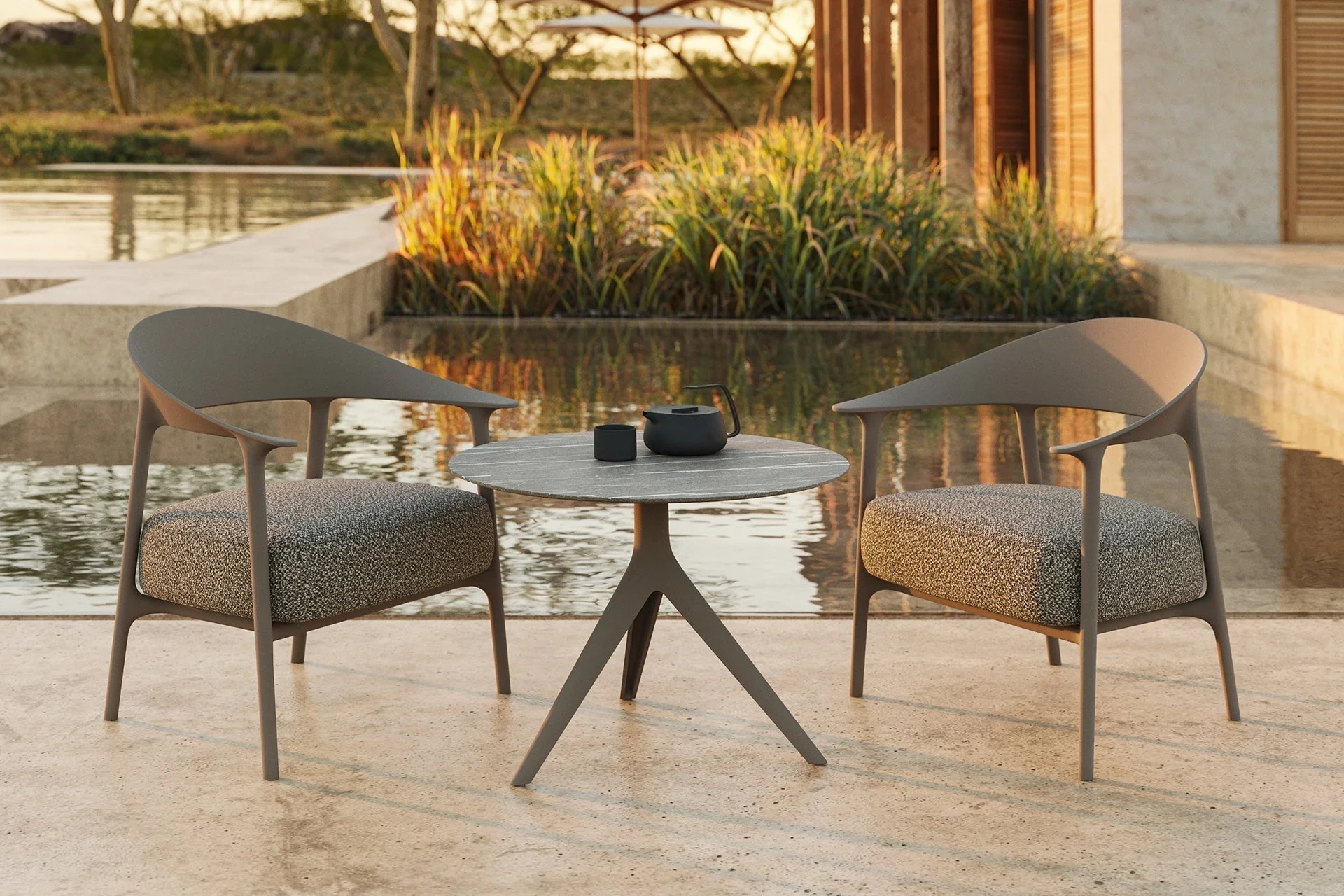
From Hard Edges to Gentle Horizons
Across terraces, rooftops, pool decks, and private gardens worldwide, a quiet yet profound transformation is reshaping the language of outdoor design. Where once sharp lines, angular silhouettes, and architectural rigidity dominated exterior spaces, a softer, more fluid aesthetic is taking hold. This shift—often described as the rise of soft landscapes—reflects a deeper cultural movement toward comfort, tactility, and emotional connection with the outdoors.
At the heart of this evolution lies contemporary outdoor furniture that prioritizes organic forms, generous proportions, and visual ease. No longer conceived as a functional afterthought, outdoor environments are now curated with the same sensibility once reserved exclusively for interiors. For architects, designers, and discerning homeowners alike, the question is no longer whether outdoor furniture should be refined, but how it can embody a sense of calm, continuity, and natural elegance.
The Cultural Shift Behind Softer Outdoor Forms
The movement away from rigid forms in luxury outdoor furniture is not merely aesthetic—it is cultural. Over the past decade, global lifestyles have reoriented toward wellness, slowness, and reconnection with nature. Outdoor spaces have become places for restoration, social intimacy, and everyday living rather than occasional use.
In this context, sharp-edged, visually imposing furniture can feel out of place. Soft landscapes respond instead to a collective desire for environments that feel welcoming and human-scaled. Curves, flowing lines, and enveloping shapes subconsciously communicate comfort and safety, mirroring the forms found in nature itself.
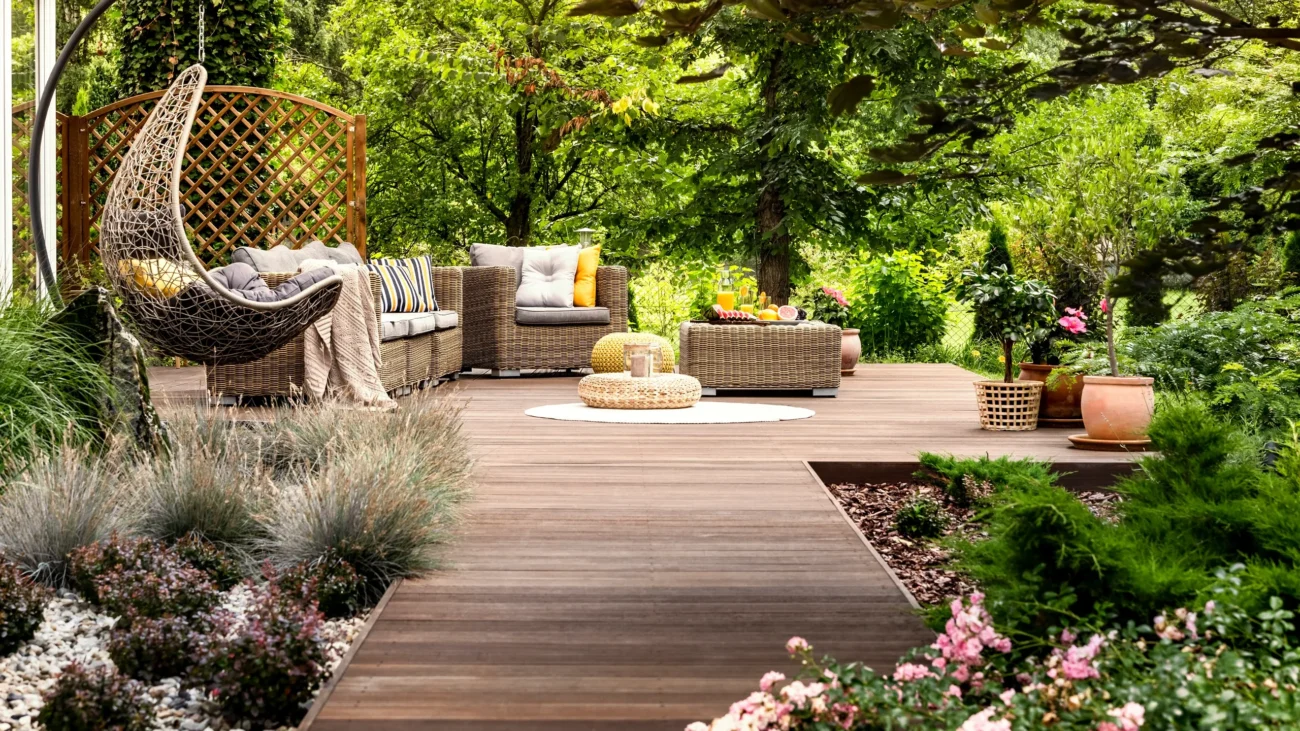
Nature as a Design Language
Designers increasingly draw inspiration from dunes, pebbles, coastlines, and vegetation—forms shaped by time rather than force. Organic outdoor furniture echoes these references through rounded profiles and continuous surfaces, allowing pieces to sit harmoniously within their surroundings rather than compete with them.
This biomorphic approach aligns with broader architectural trends that favor natural materials, earth-toned palettes, and seamless indoor–outdoor transitions. The result is furniture that feels less like an object placed outdoors and more like an extension of the landscape.
Why Rigid Forms Are Losing Relevance
For years, modern outdoor furniture borrowed heavily from the vocabulary of minimalism: rectilinear frames, exposed structures, and industrial finishes. While visually striking, these designs often prioritized form over comfort, creating spaces that looked impressive but felt emotionally distant.
Today’s luxury consumers—and the professionals who design for them—are more attuned to experiential quality. Furniture must support long, relaxed moments rather than brief visual impact. Rigid forms, by contrast, can impose a sense of formality that feels misaligned with contemporary outdoor living.
Comfort as a Core Design Metric
One of the defining characteristics of contemporary outdoor furniture is its emphasis on ergonomic softness. Deep seating, curved backrests, and flexible cushioning systems invite the body to relax. These qualities are difficult to achieve within strictly linear geometries.
Soft landscapes therefore represent a recalibration of priorities: comfort is no longer secondary to aesthetics but integral to it. A piece that looks effortless and feels intuitive speaks more powerfully than one that simply appears “modern.”
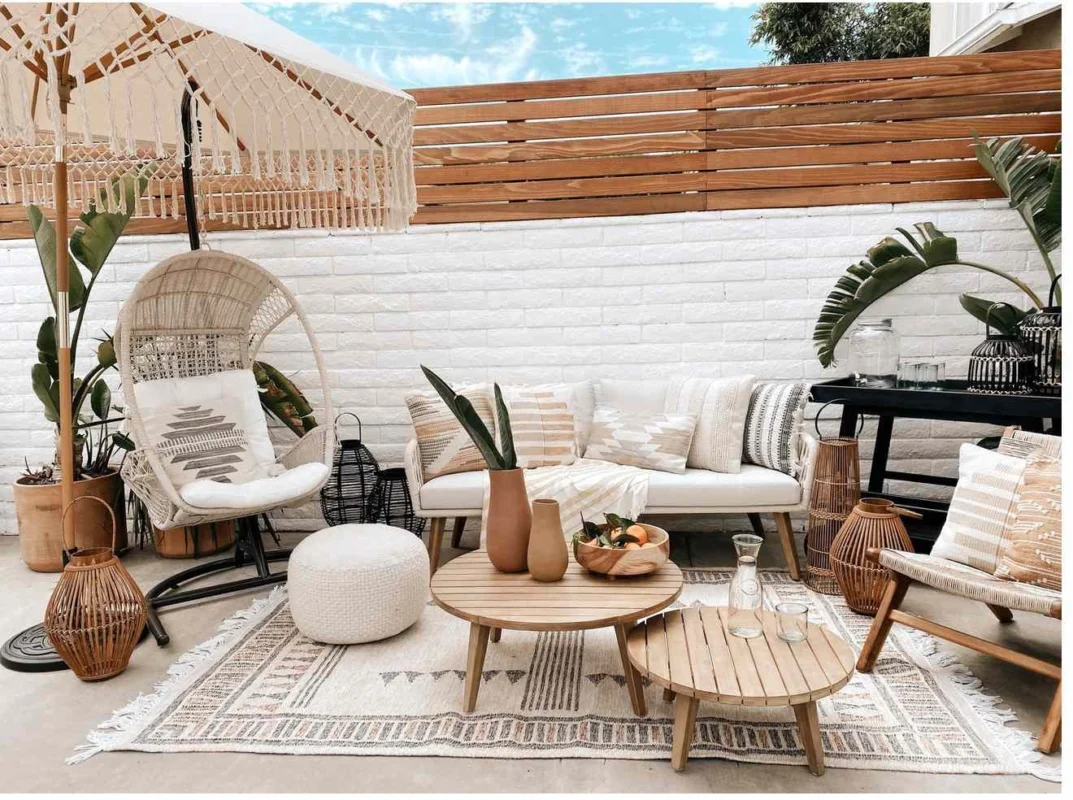
The Aesthetic Intelligence of Organic Outdoor Furniture
Organic outdoor furniture is not about abandoning sophistication; rather, it redefines it. Subtle curves require precision engineering, advanced materials, and a deep understanding of proportion. When executed well, softness becomes a mark of mastery rather than informality.
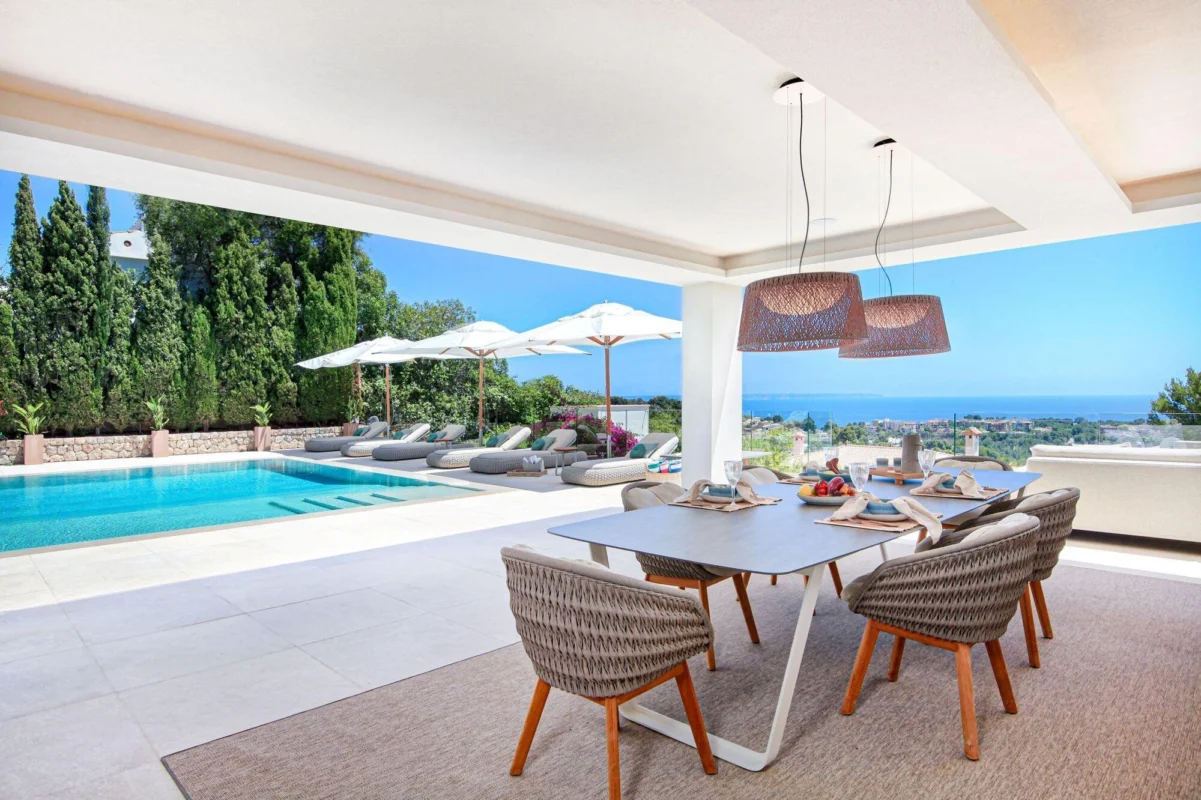
In high-end projects—from private villas to hospitality environments—these pieces contribute to a sense of visual continuity. Rounded silhouettes soften architectural volumes, creating dialogue between built structures and open space.
Material Innovation Enabling Softer Forms
The rise of soft landscapes has been accelerated by advances in material technology. High-performance foams, flexible aluminum structures, and weather-resistant textiles now allow designers to sculpt fluid shapes without compromising durability.
- Textiles engineered for outdoor use maintain softness while resisting UV exposure and moisture.
- Powder-coated metals can be bent into organic profiles with structural integrity.
- Modular systems enable curved compositions that adapt to different spatial contexts.
These innovations have expanded the formal vocabulary of luxury outdoor furniture, making softness not only desirable but practical.
Soft Landscapes and the Blurring of Indoor–Outdoor Boundaries
One of the most significant drivers behind this design shift is the erosion of boundaries between interior and exterior spaces. Terraces are furnished like living rooms; gardens function as extensions of social areas. In this scenario, furniture must feel emotionally consistent across environments.
Organic outdoor furniture facilitates this continuity. Its tactile surfaces and enveloping forms echo interior upholstery, allowing spaces to flow seamlessly from inside to out. This coherence is particularly valued in high-end residential and hospitality projects, where experiential quality defines perceived value.
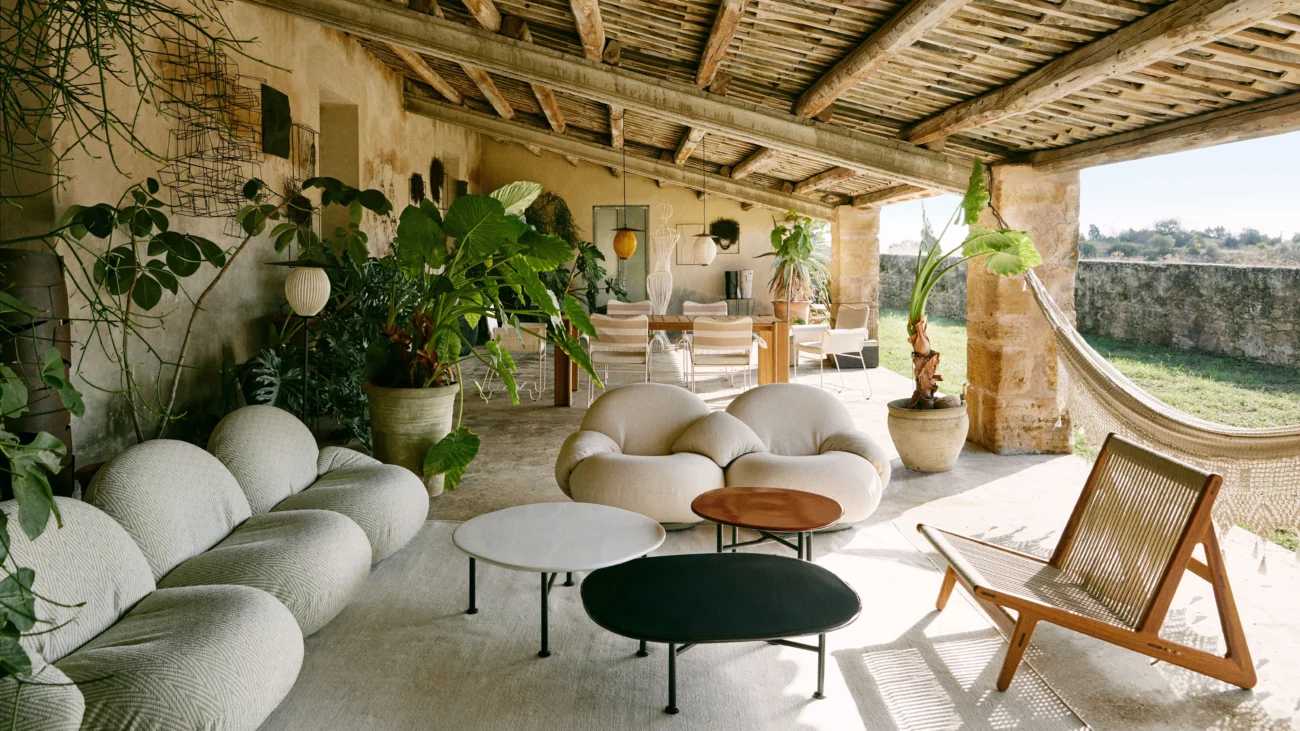
Architectural Context and Spatial Harmony
From a professional standpoint, softer furniture forms offer greater versatility within complex architectural settings. Curved pieces can soften strong geometries, guide circulation, and create intimate zones within expansive outdoor layouts.
Rather than acting as static elements, they participate actively in shaping spatial experience—an increasingly important consideration in contemporary landscape and architectural design.
A Response to Climate, Light, and Landscape
Soft landscapes also respond intelligently to environmental conditions. In sun-drenched climates, rounded forms interact more gently with light, reducing harsh contrasts and creating inviting shadows. Visually, they appear cooler, calmer, and more restful.
In natural settings, organic silhouettes resonate with surrounding vegetation and topography. This sensitivity to context is central to modern notions of luxury, which emphasize integration over dominance.
Global Design Influences
Mediterranean, Japanese, and South American design traditions—each with a long-standing appreciation for natural forms—have influenced this global shift. Their emphasis on tactility, craftsmanship, and harmony with nature is now reflected in contemporary outdoor furniture collections worldwide.
As noted in an editorial analysis by Architectural Digest, outdoor spaces are increasingly designed as emotional refuges, reinforcing the move toward softer, more human-centered forms.
Soft Landscapes as a Marker of Contemporary Luxury
In today’s design discourse, luxury is defined less by ostentation and more by intention. Soft landscapes embody this ethos through restraint, refinement, and sensory richness. Their appeal lies in what they offer the user: comfort, calm, and a sense of belonging.
For high-net-worth individuals, these qualities resonate deeply. Outdoor spaces become places of daily ritual rather than display—settings for conversation, reflection, and connection with nature.
Longevity and Timelessness
Unlike trend-driven geometries, organic forms age gracefully. Their references are elemental rather than stylistic, allowing them to remain relevant as architectural fashions evolve. This longevity aligns with sustainable values and long-term investment thinking, both increasingly important in luxury real estate and design.
The Future Is Soft, Thoughtful, and Enduring
The movement away from rigid forms toward soft landscapes signals a broader redefinition of outdoor living. Contemporary outdoor furniture is no longer about asserting modernity through sharp lines; it is about creating environments that feel natural, intuitive, and emotionally resonant.
As organic outdoor furniture continues to shape terraces and gardens across the globe, it reflects a collective aspiration: to live more gently, more comfortably, and more consciously in relation to our surroundings. In this sense, softness is not a departure from sophistication—it is its evolution.