
Contemporary Mediterranean Villas continue to evolve as architects reinterpret the traditional coastal house for modern lifestyles. Among the architects leading this transformation is Fran Silvestre, founder of Fran Silvestre Arquitectos, a Valencia-based studio known for minimalist architecture and refined spatial compositions.
Silvestre’s work reimagines Mediterranean residential architecture through sculptural forms, natural light, and seamless connections between architecture and landscape. His villas combine clean geometries with carefully curated outdoor living spaces, offering a compelling model for contemporary luxury living along the Mediterranean coast.
For outdoor designers, furniture brands, architects, and luxury design studios, these projects provide valuable insights into how modern Mediterranean Villas can balance tradition, climate responsiveness, and sophisticated design.
The Evolution of Mediterranean Villas
Traditional Mediterranean villas developed in response to climate, culture, and landscape. Historic homes in coastal regions of Spain, Italy, and Greece often featured thick masonry walls, shaded courtyards, and terraces designed to capture sea breezes.
These houses emphasized outdoor living long before it became a global design trend. Stone patios, pergolas, and garden courtyards allowed residents to spend much of the day outside while staying protected from the intense Mediterranean sun.
Contemporary architects now reinterpret these traditional features through modern materials and minimalist spatial planning. Fran Silvestre stands at the forefront of this architectural evolution.
The Architectural Philosophy of Fran Silvestre
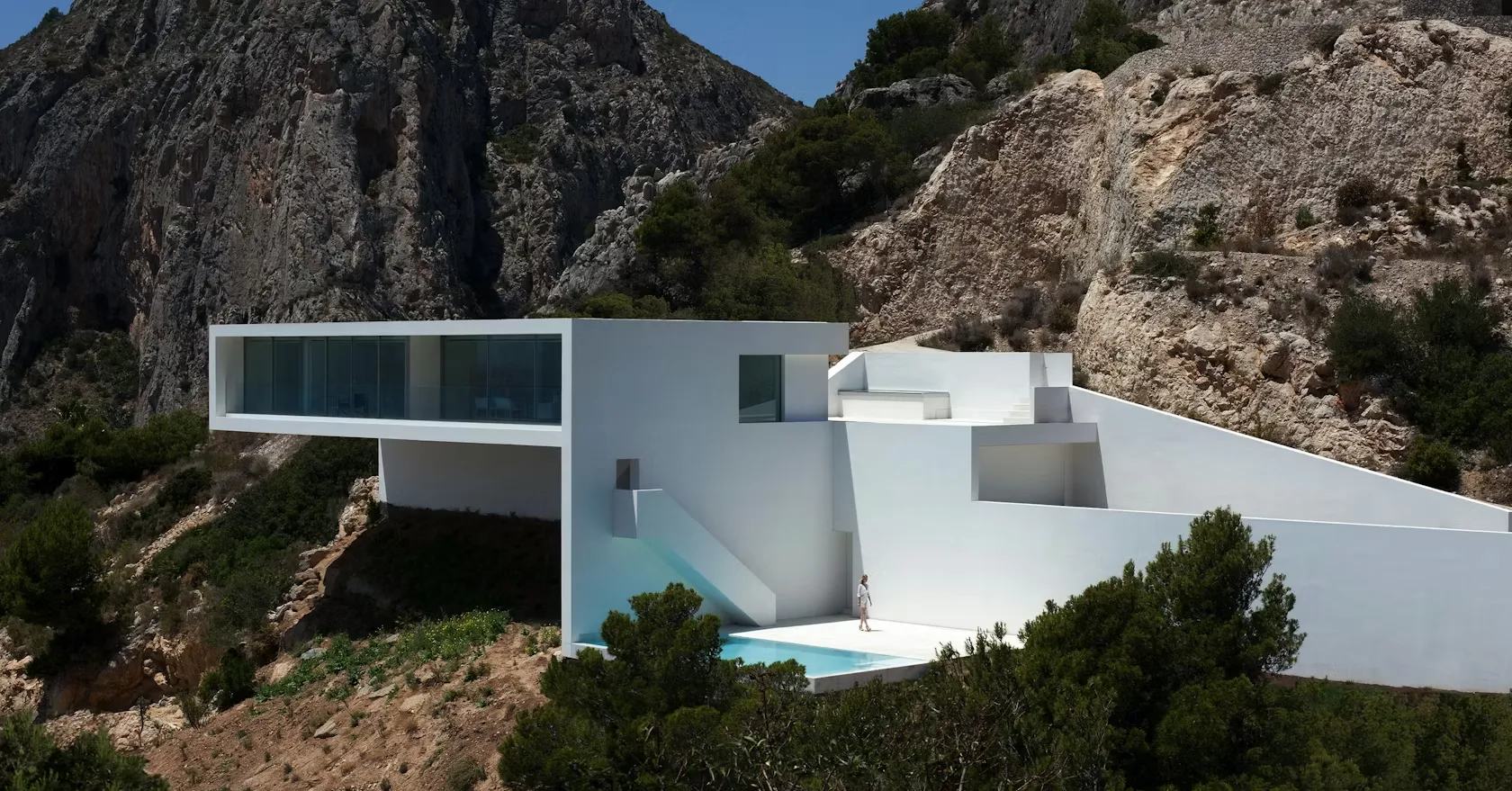
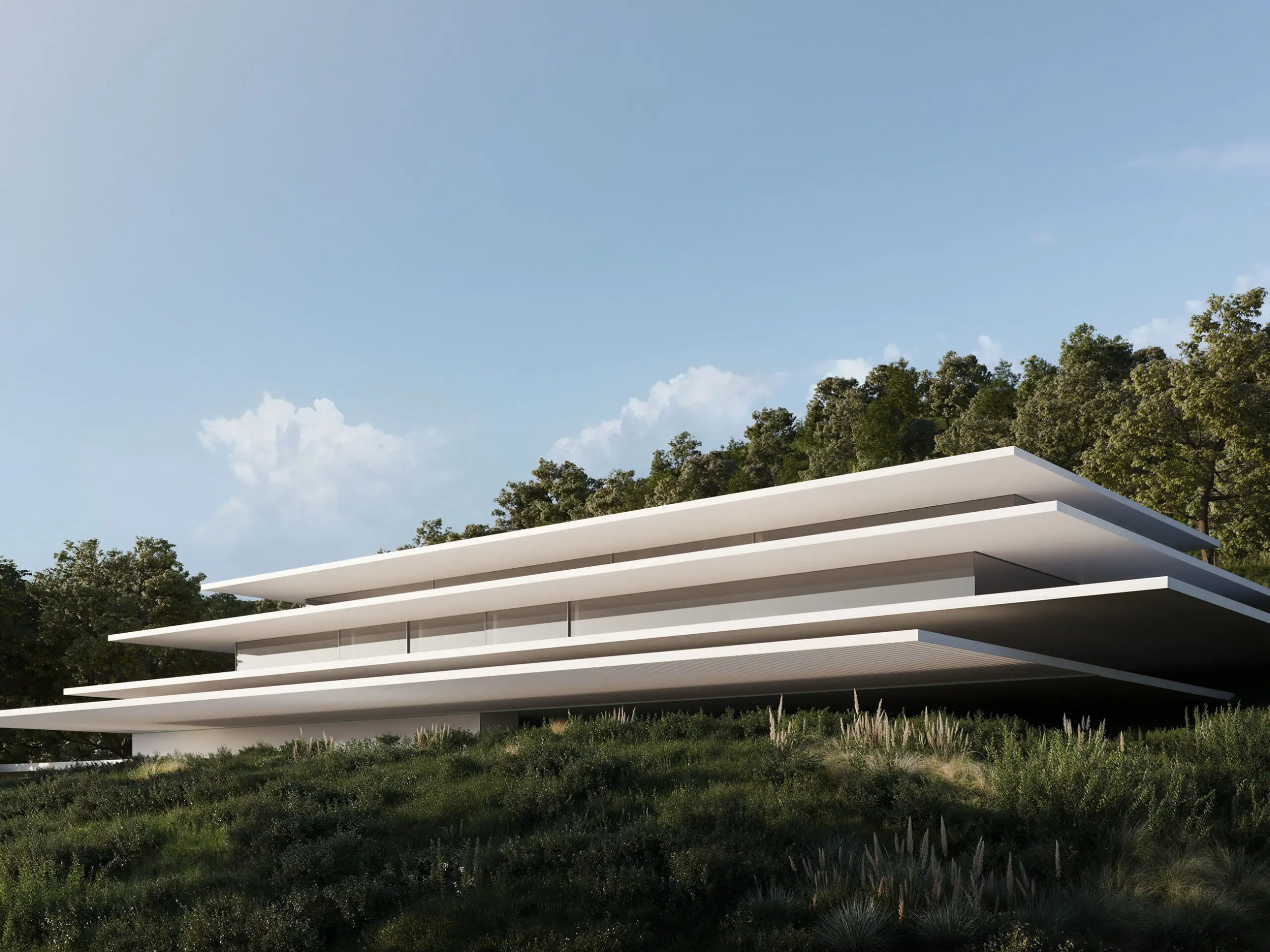
The design approach of Fran Silvestre emphasizes clarity, proportion, and harmony with the surrounding landscape. His villas often appear as sculptural compositions of white volumes carefully positioned within coastal terrain.
Rather than relying on decorative elements, Silvestre focuses on spatial purity and material restraint. Large horizontal planes, cantilevered terraces, and panoramic glazing define many of his projects.
These architectural strategies allow Mediterranean villas to maintain a strong visual connection with the sea, sky, and surrounding landscape.
For architects and outdoor designers, Silvestre’s work demonstrates how simplicity can produce powerful architectural experiences.
Landscape Integration and Coastal Topography
A defining characteristic of Silvestre’s Mediterranean Villas is the integration of architecture with natural topography.
Many of his residential projects occupy dramatic coastal sites overlooking the Mediterranean Sea. Instead of flattening the terrain, the architect carefully adapts each villa to the existing hillside or cliffside conditions.
Terraces cascade down slopes while infinity pools align with the horizon. This approach creates uninterrupted visual connections between architecture and landscape.
Outdoor designers studying these projects can observe several key strategies:
- Terraced landscaping that follows natural contours
- Minimalist gardens emphasizing native Mediterranean vegetation
- Strategic placement of outdoor seating and viewing platforms
- Integration of pools as reflective architectural elements
These techniques transform outdoor environments into essential components of the overall architectural experience.
Outdoor Living as a Central Design Element
In Silvestre’s work, outdoor spaces function as true extensions of interior living environments.
His Mediterranean villas frequently include expansive terraces, covered outdoor dining areas, and shaded lounge spaces that encourage year-round use. Glass walls often slide away completely, dissolving the boundary between indoor and outdoor spaces.
This design philosophy aligns with the Mediterranean lifestyle, where social gatherings and relaxation frequently occur outdoors.
For luxury furniture brands and outdoor designers, these spaces provide opportunities to introduce sculptural seating, weather-resistant materials, and custom-designed outdoor lighting.
Contemporary Mediterranean villas increasingly rely on furniture collections specifically designed for exterior environments that match the architectural minimalism of the home.
Material Simplicity and Architectural Identity
Material selection plays an important role in Fran Silvestre’s architectural language.
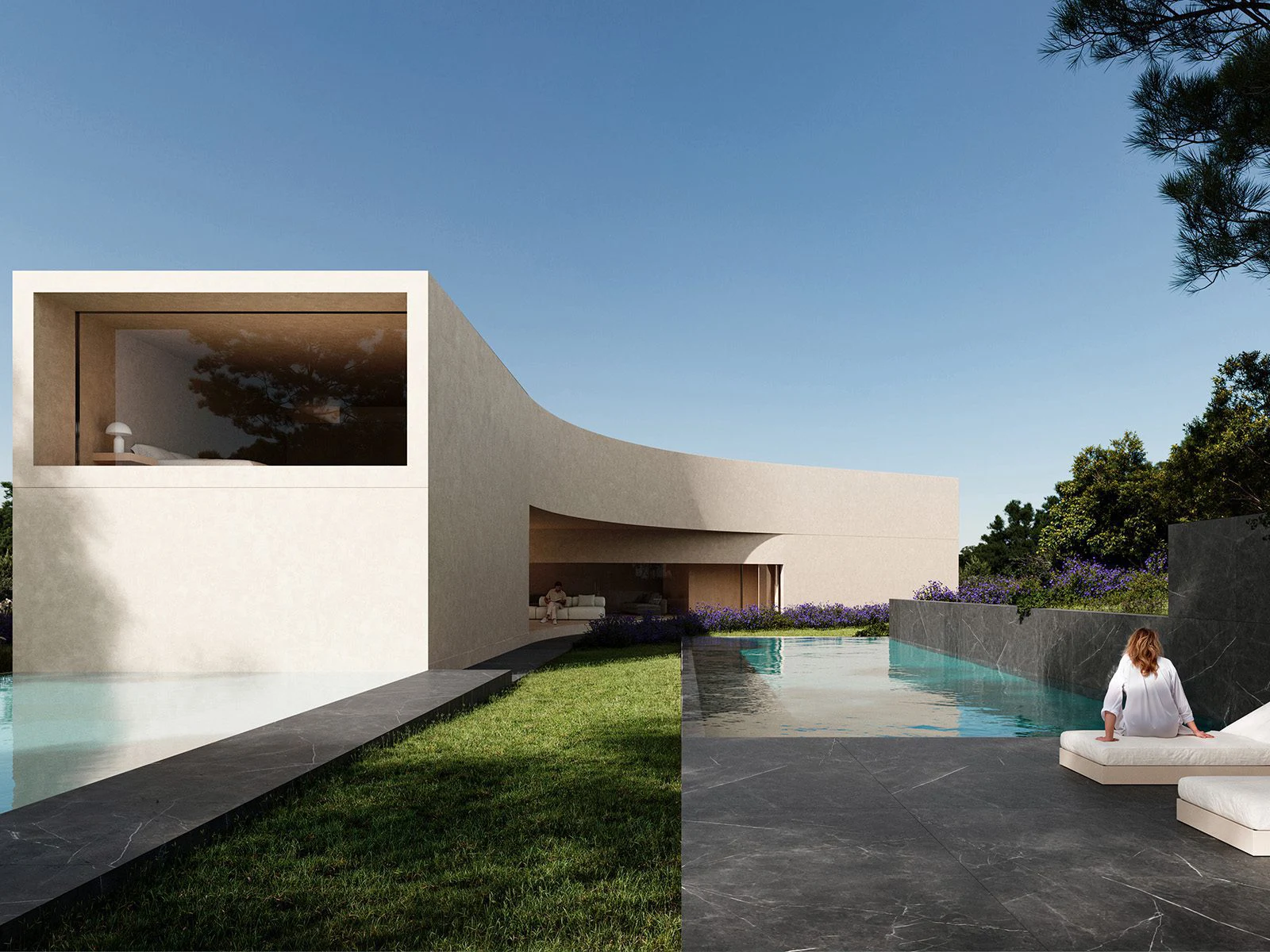
Many of his villas feature a restrained palette of materials that emphasizes purity and durability. White stucco walls dominate the exterior composition, reflecting sunlight and reinforcing the minimalist aesthetic.
Natural stone often appears in terraces, pool decks, and landscape walls. Glass surfaces maximize natural light and allow residents to maintain constant visual contact with the surrounding environment.
This careful balance between modern materials and natural textures allows Silvestre’s Mediterranean villas to feel both contemporary and deeply connected to their geographic context.
For architects and designers, the lesson is clear: thoughtful material selection strengthens both architectural identity and environmental integration.
Spatial Experience and Interior–Exterior Flow
The spatial planning of these villas reinforces the relationship between architecture and landscape.
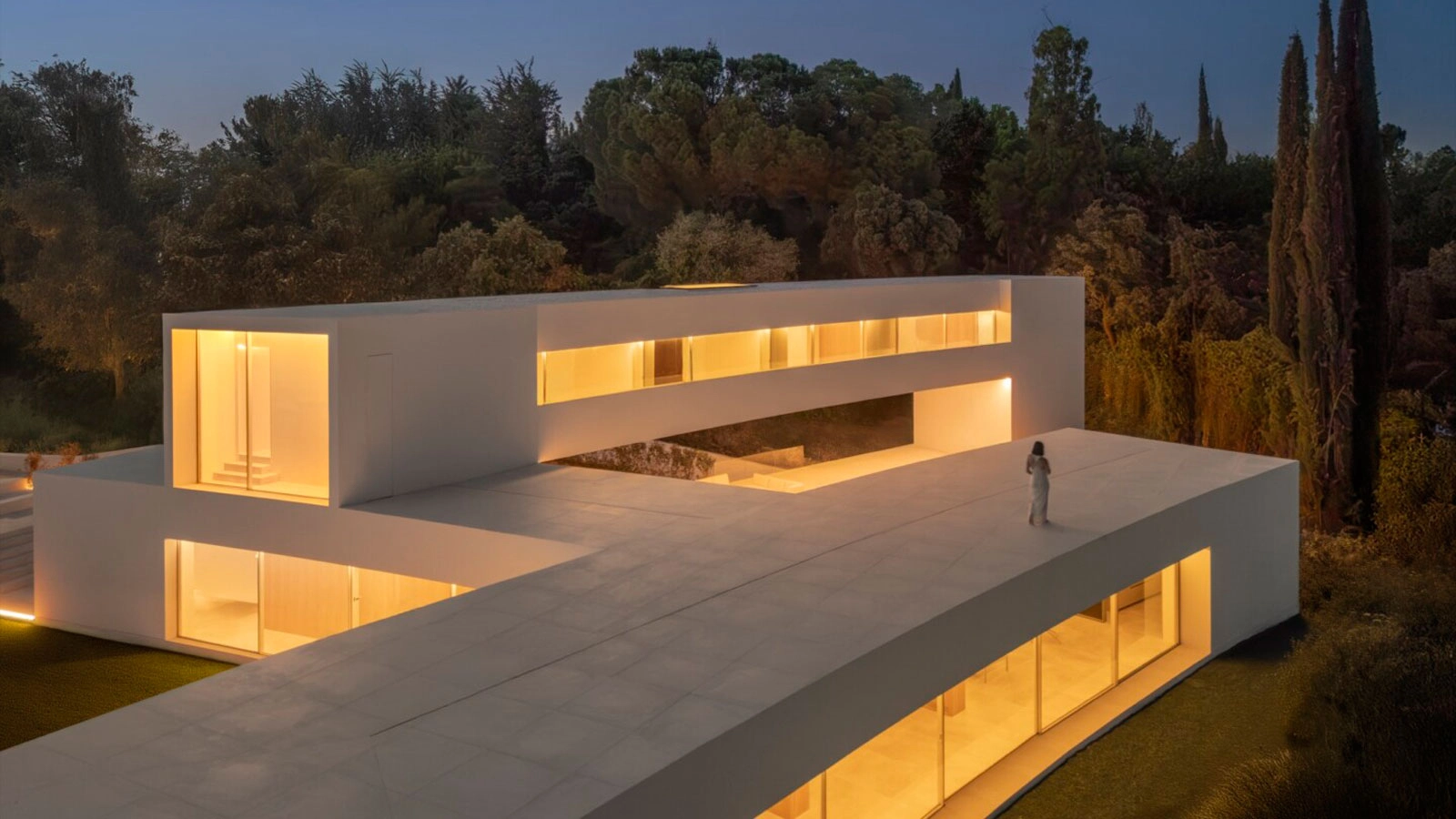
Interior spaces often follow open-plan layouts that orient living areas toward panoramic views. Bedrooms, lounges, and dining areas frequently open directly onto terraces or private gardens.
Circulation paths move fluidly between interior rooms and outdoor environments, encouraging residents to interact continuously with the landscape.
This spatial strategy reflects a broader shift in luxury residential design, where the boundaries between architecture, landscape, and lifestyle become increasingly fluid.
For designers working on coastal or hillside projects, Silvestre’s villas provide a powerful model for achieving seamless indoor–outdoor continuity.
Influence on Contemporary Luxury Residential Architecture
The work of Fran Silvestre Arquitectos has gained international recognition for redefining modern Mediterranean villas.
Several key elements of the studio’s design philosophy have influenced contemporary luxury residential architecture:
Minimalist architectural forms
Clean geometric volumes create visually striking yet calm residential environments.
Landscape-centered design
Architecture responds directly to the surrounding terrain and views.
Integrated outdoor living
Terraces, pools, and gardens function as core components of residential life.
Material restraint
Simple, durable materials reinforce architectural clarity.
These principles resonate strongly with global luxury clients seeking homes that emphasize lifestyle, landscape, and modern aesthetics.
Intellectual Property and Architectural Authorship
From an intellectual property perspective, the architectural work of Fran Silvestre highlights the importance of protecting design originality.
While architectural ideas often inspire new interpretations, the unique spatial compositions and visual identity of specific projects remain protected under architectural copyright law.
Design studios must respect authorship by avoiding direct replication of distinctive architectural works. Instead, professionals should analyze design strategies—such as landscape integration or spatial flow—and reinterpret them within new projects.
This approach encourages innovation while maintaining ethical standards within the architecture and design industry.
The Future of Contemporary Mediterranean Villas
As coastal architecture continues to evolve, Mediterranean Villas designed by architects like Fran Silvestre demonstrate how tradition and innovation can coexist.
By combining minimalist architecture with landscape sensitivity and refined outdoor living spaces, Silvestre has created a new model for contemporary Mediterranean residential design.
For outdoor designers, furniture brands, architects, and luxury design studios, these villas offer a blueprint for the future of coastal luxury living—one where architecture, environment, and lifestyle merge into a cohesive and timeless design experience.