

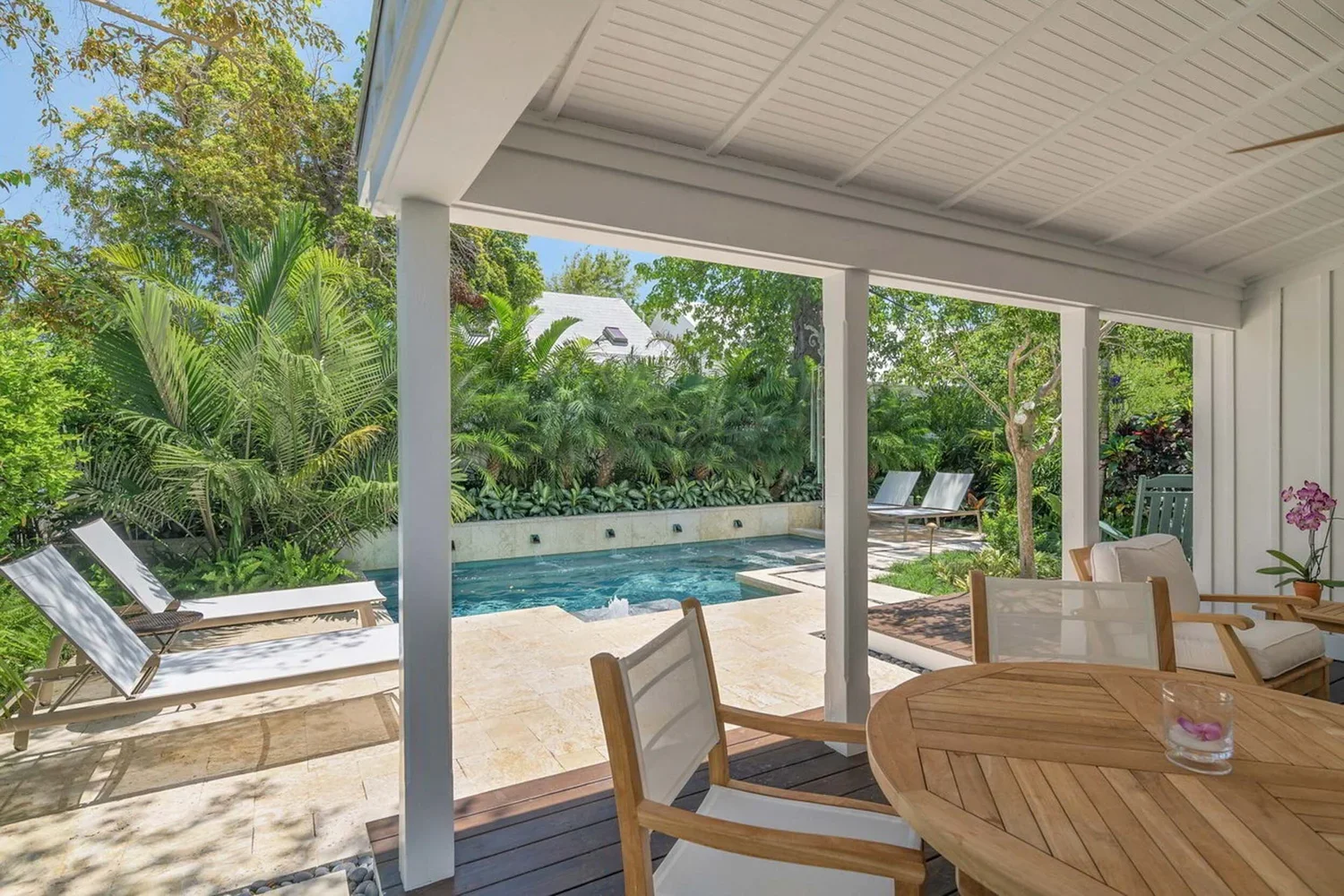
In the world of high-end outdoor environments, Craig Reynolds has emerged as a distinctive voice in shaping contemporary luxury landscape architecture. Known for crafting deeply personal and site-responsive outdoor spaces, Craig Reynolds brings an artistic sensibility to landscape design that resonates strongly with architects, outdoor designers, and luxury design studios.
Working through his studio, Craig Reynolds Landscape Architects, his projects emphasize the emotional and experiential power of outdoor environments. Rather than imposing a fixed style, Craig Reynolds approaches each project as a unique composition—one that reflects the identity of the site, the architecture, and the client’s lifestyle. This philosophy has positioned his work at the forefront of evolving luxury landscape design.
The Evolution of Site-Specific Luxury Design
Luxury landscape architecture has shifted significantly in recent decades. While earlier projects often prioritized formal composition and visual symmetry, contemporary approaches focus on authenticity and responsiveness. Craig Reynolds exemplifies this evolution through a design process rooted in observation and interpretation.
He rejects the idea of a signature style, instead emphasizing that every property has its own “fingerprint” that must be discovered through exploration and sketching. This methodology ensures that each project feels intrinsic to its setting rather than imposed upon it.
For outdoor designers, this represents a critical shift. Luxury is no longer defined by recognizable aesthetics, but by the depth of connection between landscape, architecture, and environment.
Designing Emotional and Experiential Landscapes
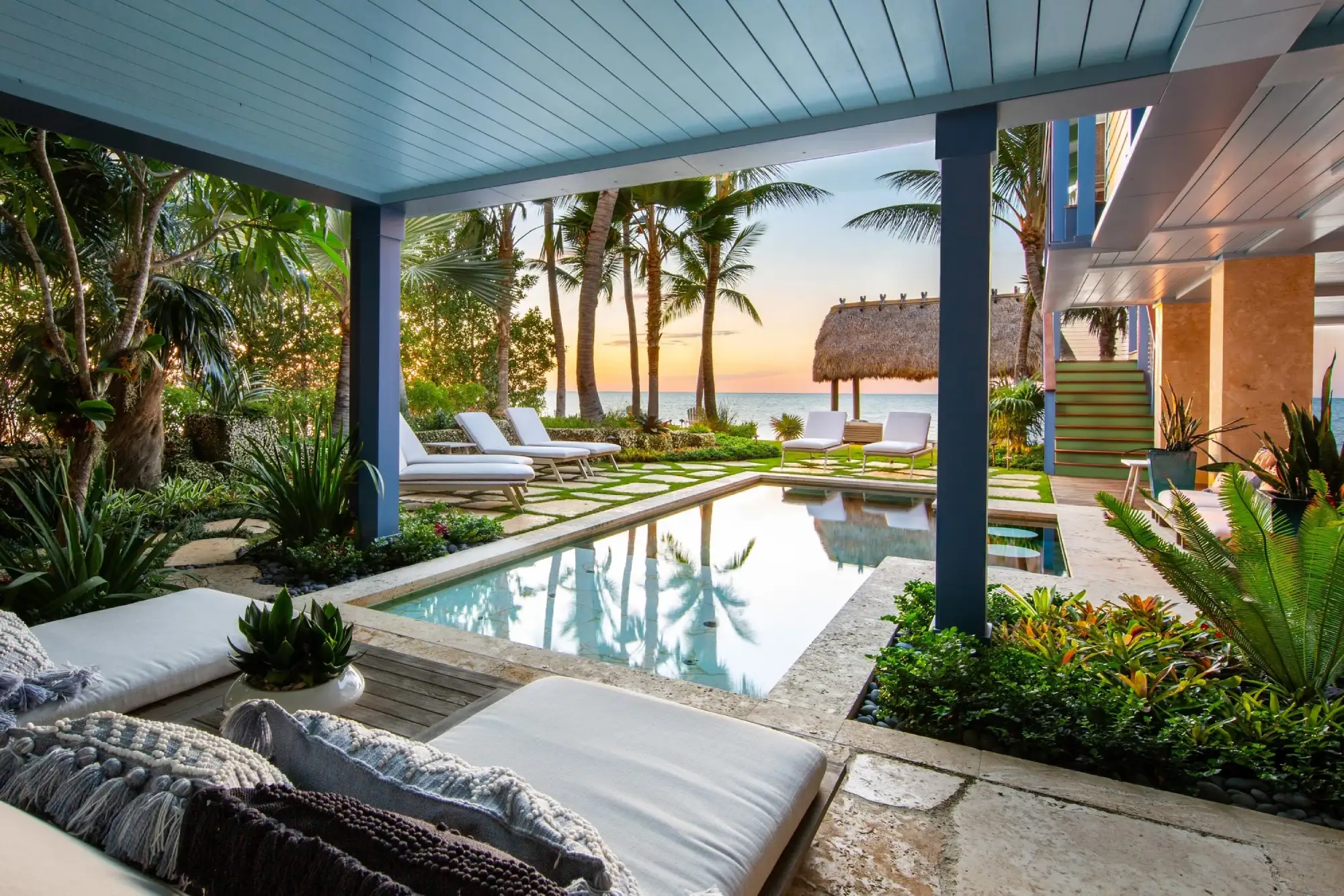
A defining characteristic of Craig Reynolds’ work is its emotional impact. His landscapes are designed not only to be seen, but to be felt. The ultimate goal, as he describes, is to create spaces where tension dissolves and users are encouraged to linger and relax.
Key experiential principles include:
- Creating a sense of retreat and escape within residential environments
- Designing pathways and sequences that encourage exploration
- Balancing openness with privacy through spatial layering
- Integrating sound, shade, and movement for sensory richness
- Crafting spaces that feel timeless and natural
These elements elevate outdoor spaces beyond functionality, transforming them into immersive environments that support well-being and lifestyle.
The Influence of Tropical Contexts on Design Language
Much of Craig Reynolds’ work is rooted in tropical and coastal environments, particularly in regions such as Key West and the Caribbean. This context plays a crucial role in shaping his design language.
- Tropical landscapes demand a nuanced understanding of climate, vegetation, and material performance. Reynolds leverages this knowledge to create environments that feel lush yet controlled, balancing density with clarity.
- His projects often feature layered planting, filtered light, and carefully framed views. At the same time, they maintain a strong sense of structure, ensuring that the landscape complements rather than overwhelms the architecture.
This approach demonstrates how regional conditions can inform luxury design, resulting in spaces that are both visually compelling and environmentally responsive.
Seamless Integration of Architecture and Landscape
One of the core principles behind Craig Reynolds’ work is the seamless integration of architecture and landscape. Rather than treating outdoor spaces as secondary, his designs position them as equal contributors to the overall composition.
This philosophy is evident in the studio’s commitment to balancing architecture, hardscape, and planting as interconnected elements. Each component enhances the others, creating cohesive environments where indoor and outdoor living are fully integrated.
For luxury residential projects, this integration is essential. It ensures that outdoor spaces function as extensions of the home, supporting both daily living and social interaction in a natural and intuitive way.
Material Integrity and Craftsmanship
Material selection is central to the success of Craig Reynolds’ landscapes. His work emphasizes the use of high-quality, natural materials that align with the character of the site and the architectural language.
Key material strategies include:
- Prioritizing materials that age naturally and develop patina
- Using regional stone and finishes to reinforce context
- Maintaining a restrained palette for visual clarity
- Ensuring durability in coastal and tropical climates
- Integrating hardscape and planting seamlessly
This focus on material integrity reflects a broader trend in luxury design, where authenticity and longevity are valued over superficial aesthetics.
The Art of Simplicity and Complexity
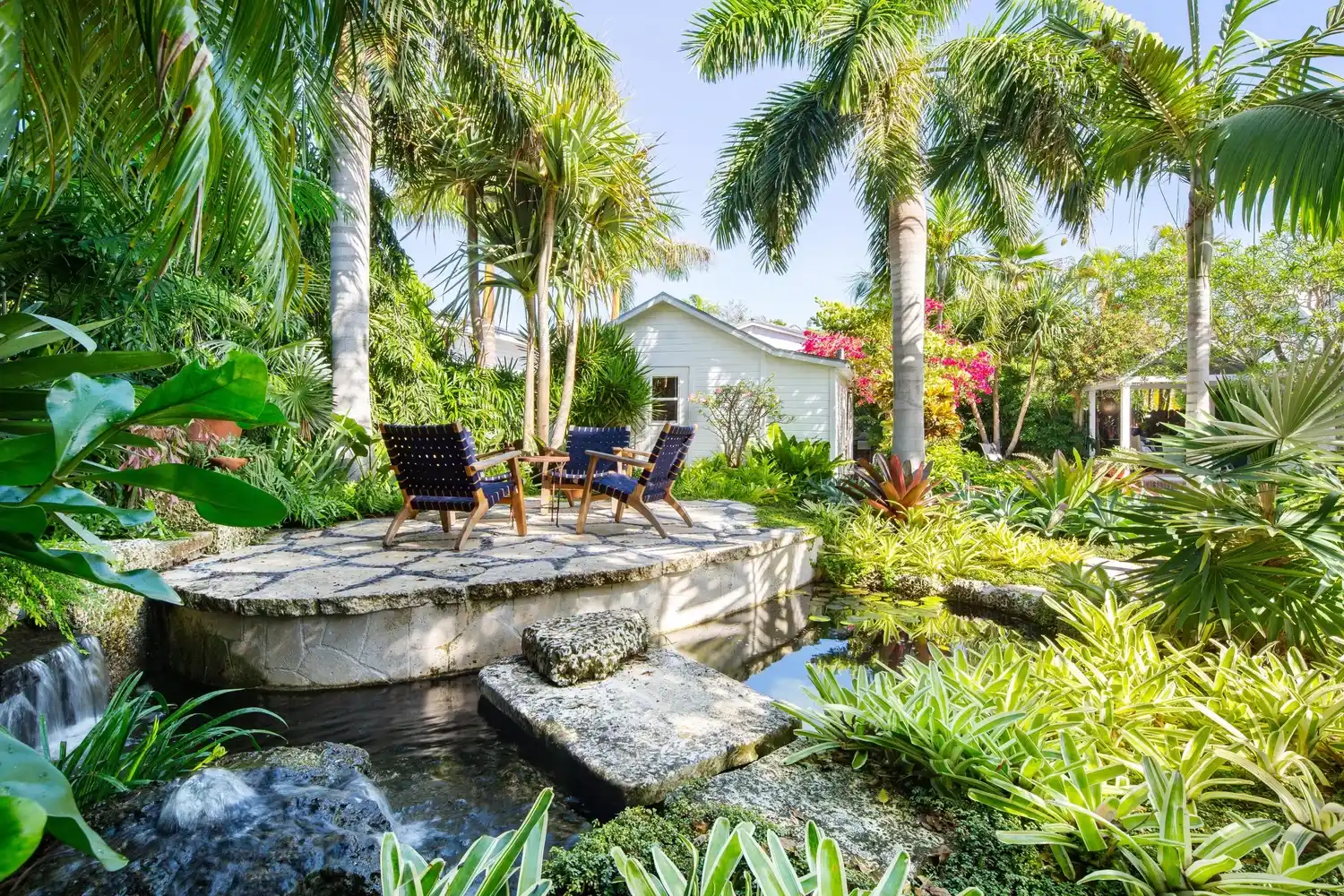
Craig Reynolds often describes his design process as a journey from simplicity to complexity and back to simplicity. This iterative approach allows ideas to evolve while maintaining clarity and purpose.
The process begins with a clear concept, which becomes more complex as possibilities are explored. Ultimately, unnecessary elements are refined or removed, resulting in a design that feels effortless yet deeply considered.
For designers, this methodology highlights the importance of discipline. True luxury lies not in adding more, but in refining what remains until every element serves a purpose.
Outdoor Living as a Lifestyle Framework
Luxury landscape architecture today is closely tied to lifestyle design, and Craig Reynolds’ work exemplifies this connection. His projects are designed to enhance how people live, relax, and interact with their surroundings.
Typical outdoor living features include:
- Integrated pool environments that anchor the landscape
- Outdoor kitchens and dining areas for social gatherings
- Shaded lounges that support year-round use
- Private garden retreats for quiet reflection
- Flexible spaces that adapt to different activities
These elements are carefully composed to create environments that feel both functional and aspirational, aligning with the expectations of high-end residential clients.
A Global Perspective on Luxury Landscapes
While rooted in Florida, Craig Reynolds’ work extends internationally, with projects across the Caribbean, Europe, and beyond. This global reach reflects the adaptability of his design philosophy.
Each project responds to its specific context, whether it involves tropical coastlines, urban environments, or private estates. Despite these variations, the underlying principles remain consistent: site sensitivity, material authenticity, and experiential design.
For luxury design studios, this adaptability is increasingly important. Clients expect bespoke solutions that reflect both global sophistication and local identity.
The Future of Luxury Landscape Architecture
The evolution of luxury landscape architecture continues to move toward greater integration, sustainability, and experiential depth. Craig Reynolds’ work offers a clear indication of where the industry is heading.
Future projects will likely emphasize:
- Stronger connections between architecture and natural systems
- Increased focus on wellness and sensory experience
- Greater use of sustainable materials and planting strategies
- Enhanced flexibility in outdoor living spaces
- Continued refinement of minimalist and site-specific design
These trends align with the principles that define Reynolds’ work, reinforcing his influence on the future of the discipline.
Conclusion
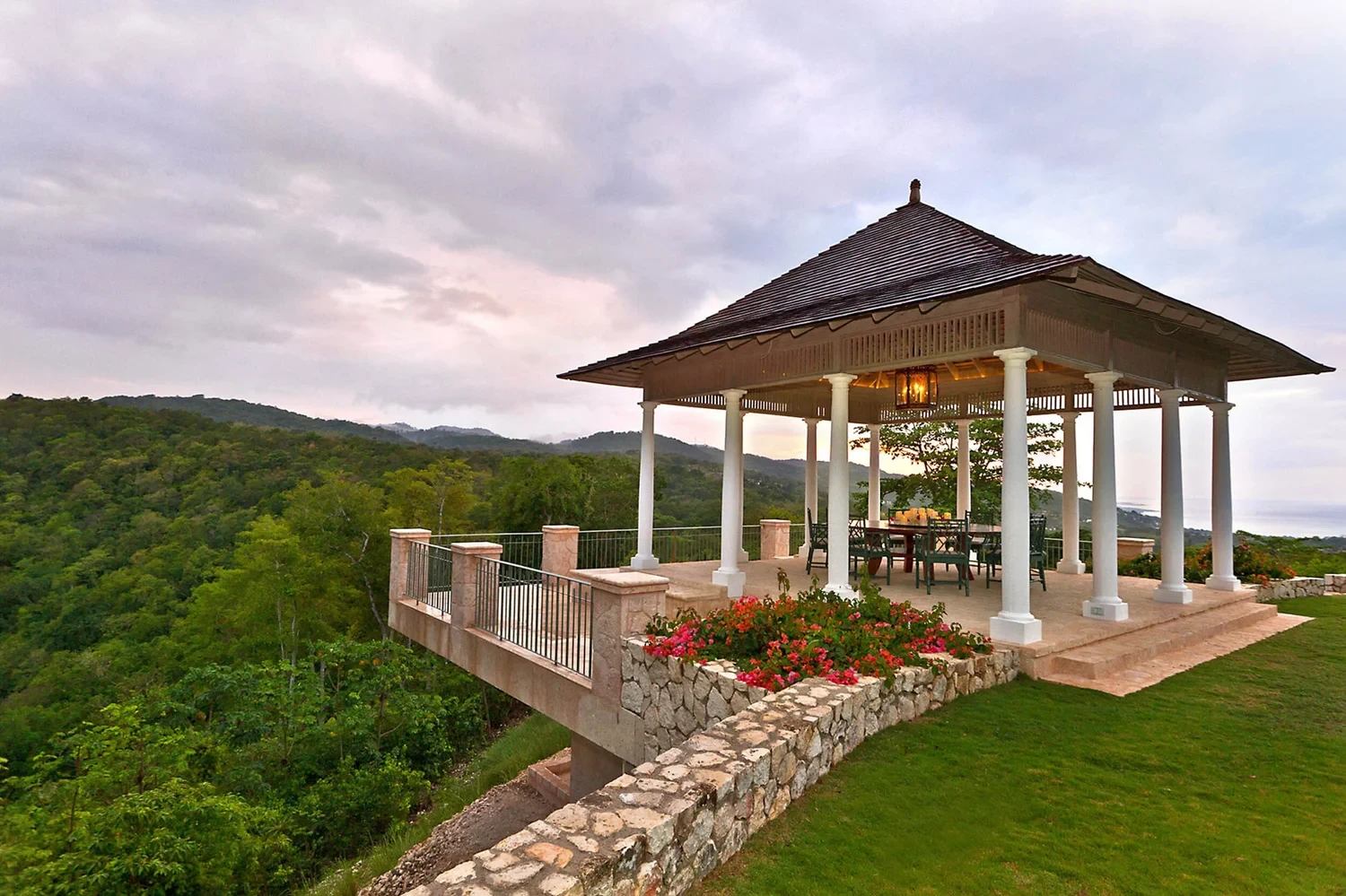
Craig Reynolds has played a significant role in redefining luxury landscape architecture through a design philosophy that prioritizes authenticity, integration, and experience. His work demonstrates that the most successful outdoor environments are those that feel natural, intentional, and deeply connected to their context.
For outdoor designers, architects, and luxury studios, his approach provides a valuable framework for creating meaningful and enduring landscapes. As the demand for high-end outdoor living continues to grow, the principles embodied in Craig Reynolds’ work will remain essential in shaping the next generation of luxury environments.