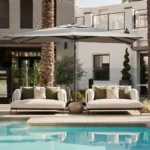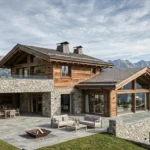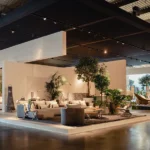

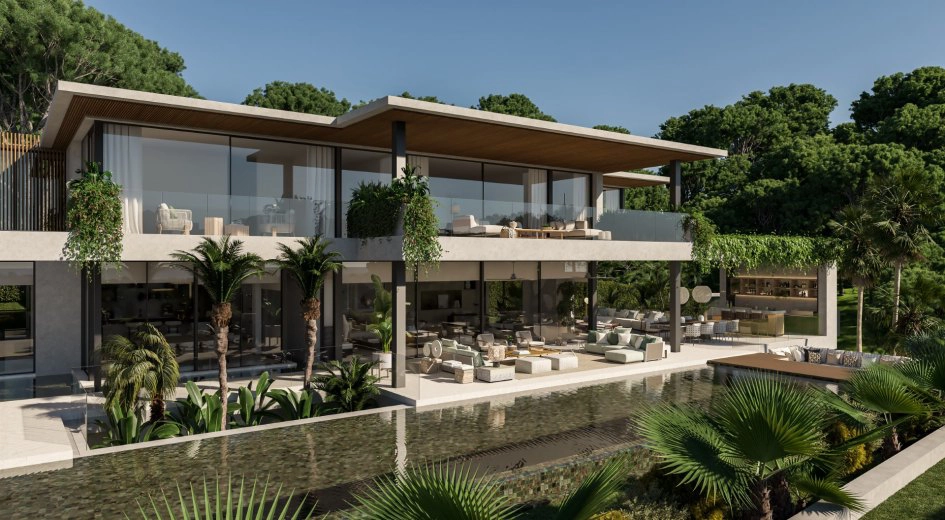
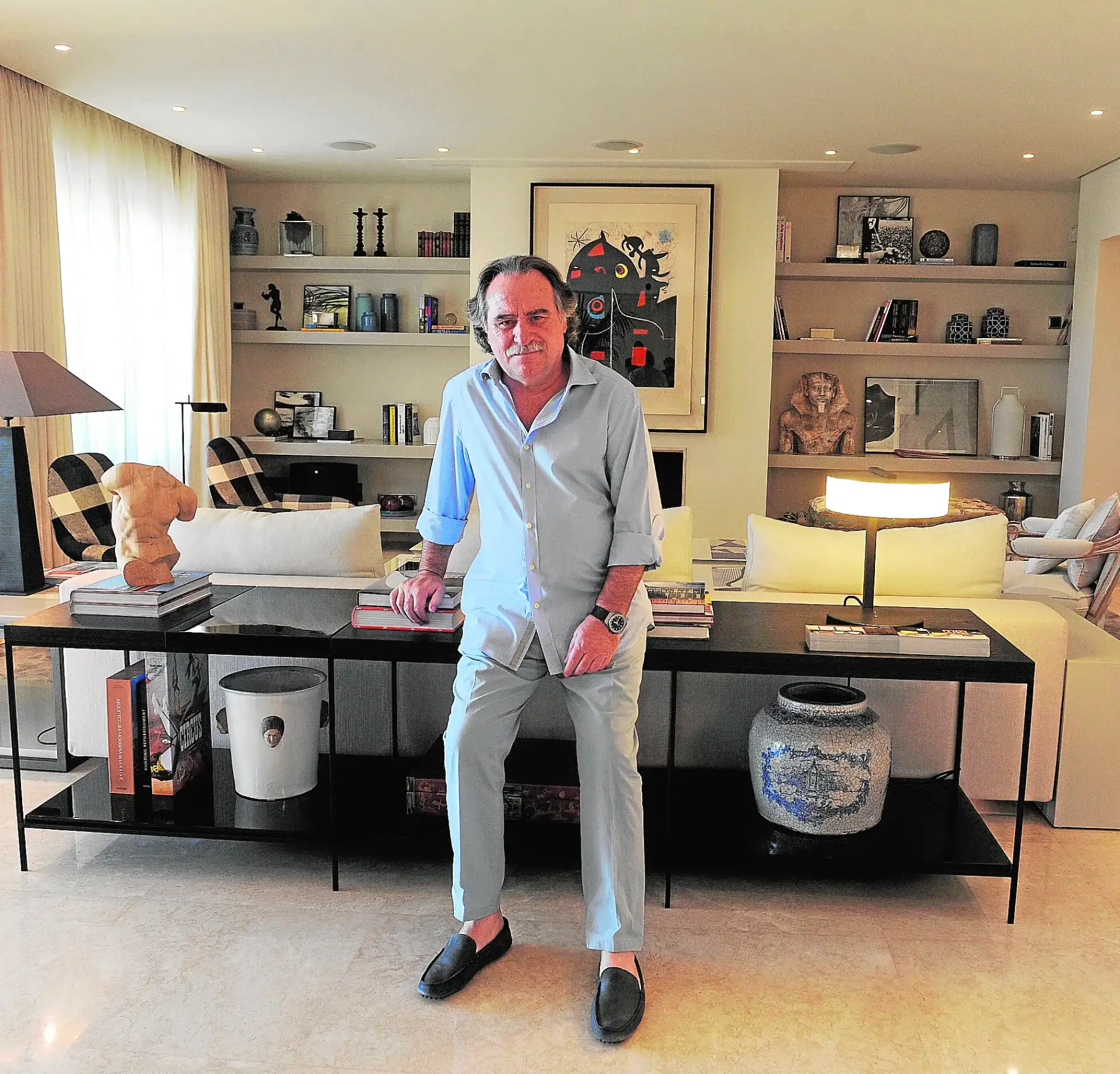
In the world of Mediterranean luxury design, Pedro Peña has become synonymous with sophistication, craftsmanship, and timeless elegance. Based in Marbella, the studio has played a defining role in shaping some of the most exclusive residential environments along Spain’s southern coast. Known primarily for high-end interiors, the Pedro Peña design philosophy also extends seamlessly into outdoor living, where terraces, pool areas, and landscaped environments become natural continuations of architectural identity.
For outdoor designers, architects, and luxury design studios, the work of Pedro Peña offers valuable insight into how interior refinement can merge with contemporary Mediterranean outdoor living. The result is a holistic design language where architecture, furniture, materials, and landscape function as one cohesive experience.
The Legacy of Pedro Peña in Marbella
Founded more than five decades ago, the Pedro Peña studio established itself as a reference point for luxury residential design in Marbella’s evolving architectural landscape. Over time, the brand became associated with exclusive villas, refined craftsmanship, and highly personalized design solutions.
The studio’s influence coincided with Marbella’s transformation into one of Europe’s most desirable luxury destinations. As high-end residential projects expanded across the Costa del Sol, Pedro Peña developed a signature approach that balanced Mediterranean warmth with international sophistication.
Today, the studio remains recognized for creating environments that feel elegant yet deeply livable, an approach increasingly valued in contemporary luxury design.
A Mediterranean Approach to Luxury Living
One of the defining characteristics of Pedro Peña’s work is the seamless integration between interior and exterior environments. In Mediterranean architecture, outdoor living is central to the residential experience, and the studio consistently reinforces this connection through spatial continuity and material harmony.
Rather than treating terraces or gardens as secondary spaces, the design philosophy positions them as essential living areas. Large openings, natural materials, and layered textures create fluid transitions between indoor and outdoor environments.
This approach aligns closely with contemporary luxury design trends, where openness, natural light, and environmental immersion shape the overall atmosphere of the home.
Outdoor Spaces as Extensions of the Interior
In Pedro Peña projects, outdoor environments reflect the same level of refinement found inside the residence. Pool decks, terraces, and outdoor lounges are carefully curated to preserve architectural consistency.
Key outdoor design principles include:
- Neutral material palettes inspired by Mediterranean landscapes
- Seamless flooring transitions between interiors and terraces
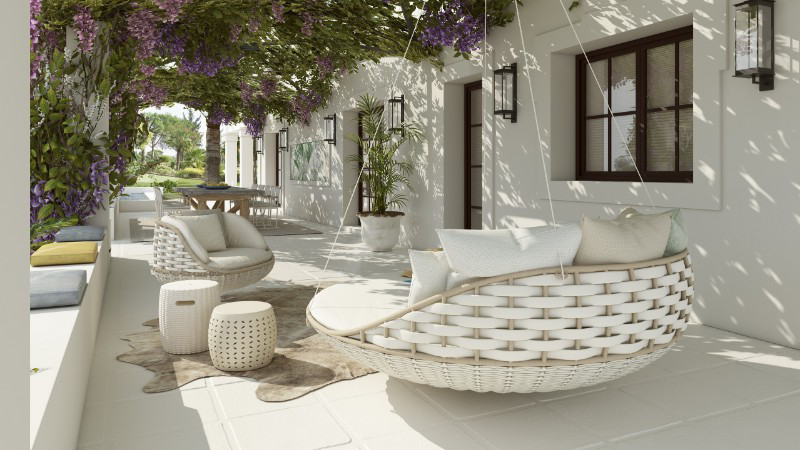
- Sculptural outdoor furniture with understated elegance
- Layered lighting strategies enhancing evening ambiance
- Open layouts maximizing views and circulation
These elements allow outdoor spaces to feel integrated rather than disconnected from the architecture.
Materiality and Textural Sophistication
Material selection plays a central role in the Pedro Peña aesthetic. Projects frequently combine natural stone, warm wood, textured fabrics, and metal accents to create balanced and tactile environments.
Travertine, limestone, oak, and handcrafted finishes are often used to establish visual softness and warmth. These materials interact naturally with Marbella’s intense sunlight, creating subtle tonal variation throughout the day.
For outdoor designers, this emphasis on materiality demonstrates how texture can elevate minimalist spaces without relying on excessive ornamentation or visual complexity.
The Influence of Marbella’s Coastal Environment
The coastal setting of Marbella strongly influences the Pedro Peña design language. Climate, light, and landscape conditions shape how outdoor spaces are planned and experienced.
Design responses often include:
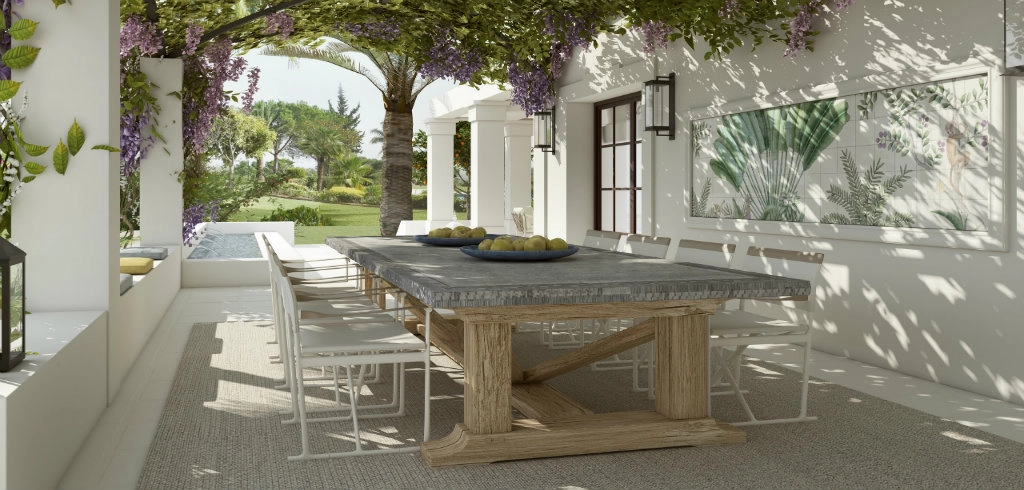
- Covered terraces providing shade and thermal comfort
- Open-air lounges oriented toward sea or mountain views
- Natural ventilation strategies supporting year-round usability
- Reflective water features enhancing spatial calm
- Mediterranean planting integrated into architectural layouts
These strategies allow residences to feel connected to their environment while maintaining a highly sophisticated aesthetic identity.
Luxury Outdoor Furniture and Spatial Composition
Furniture selection within Pedro Peña projects reflects a preference for timeless forms and balanced proportions. Outdoor pieces are chosen not only for comfort but for their architectural contribution to the overall composition.
Low-profile seating, modular lounge systems, and sculptural dining arrangements are commonly integrated into terraces and poolside environments. Neutral upholstery and organic textures reinforce the calm atmosphere associated with Mediterranean luxury.
Importantly, furniture layouts are carefully orchestrated to support both privacy and social interaction, creating outdoor spaces that adapt fluidly to different experiences.
Pool Design and Contemporary Elegance
Swimming pools in Pedro Peña residences function as visual anchors within the outdoor composition. Rather than serving purely recreational purposes, they contribute to spatial rhythm, reflection, and environmental atmosphere.
Common pool design characteristics include:
- Infinity-edge geometry emphasizing horizon views
- Minimalist detailing enhancing architectural clarity
- Light natural stone surfaces reducing heat absorption
- Integrated lounge zones surrounding the water
- Seamless transitions between pool decks and terraces
These elements reinforce the studio’s commitment to restraint, elegance, and experiential design.
Lighting and the Mediterranean Atmosphere
Lighting is essential to the emotional quality of Pedro Peña projects. Outdoor illumination is designed to enhance texture, materiality, and spatial layering rather than dominate the environment.
Soft architectural lighting highlights pathways, terraces, and landscape features while preserving intimacy and warmth. This subtle approach allows outdoor spaces to evolve naturally from daytime relaxation areas into sophisticated nighttime settings.
For luxury design studios, this demonstrates the importance of lighting as a tool for shaping atmosphere and sensory experience.
Craftsmanship and Bespoke Design
A defining aspect of Pedro Peña’s success is the studio’s dedication to craftsmanship and customization. Projects frequently incorporate bespoke furniture, tailored finishes, and highly curated decorative elements.
This attention to detail creates environments that feel unique and deeply personalized. Rather than following short-term trends, the studio focuses on timeless design solutions rooted in quality and proportion.
Key characteristics of this bespoke approach include:
- Custom furniture designed specifically for each project
- Handcrafted finishes adding material richness
- Tailored layouts responding to architectural context
- Curated artwork and accessories enhancing identity
- Integration of local craftsmanship within contemporary design
These elements contribute to the enduring appeal of Pedro Peña residences.
The Relationship Between Architecture and Lifestyle
The Pedro Peña philosophy extends beyond aesthetics into the creation of lifestyle-driven environments. Every design decision supports how residents experience daily life, entertain guests, and interact with the landscape.
This relationship is particularly evident in outdoor living areas, where architecture encourages slower, more social, and climate-responsive living patterns. Terraces become dining rooms, lounges become gathering spaces, and pools become focal points for relaxation and reflection.
For architects and outdoor designers, this lifestyle-oriented perspective is increasingly important in luxury residential design.
Contemporary Luxury Beyond Excess
One reason Pedro Peña remains influential is the studio’s ability to define luxury through refinement rather than excess. Contemporary projects prioritize calmness, material authenticity, and spatial clarity instead of overt opulence.
This evolution reflects broader shifts within luxury design culture. Clients increasingly seek environments that feel emotionally engaging, comfortable, and connected to nature rather than purely decorative.
Pedro Peña’s work demonstrates how restraint and sophistication can coexist to create spaces that feel timeless and highly experiential.
The Future of Luxury Design in Marbella
As Marbella continues to evolve as a global luxury destination, studios like Pedro Peña are shaping the future of Mediterranean residential architecture. Outdoor living, sustainability, and experiential design are likely to become even more central to future projects.
The integration of architecture, landscape, and furniture will continue to define high-end residential environments where comfort and elegance coexist naturally. At the same time, the emphasis on craftsmanship and authenticity will remain essential to maintaining long-term design value.
Conclusion
Pedro Peña has become a defining figure in Marbella’s luxury design landscape by creating environments that merge Mediterranean warmth with contemporary sophistication. Through refined material palettes, seamless indoor-outdoor integration, and carefully composed outdoor living spaces, the studio has established a timeless approach to residential luxury.
For outdoor designers, architects, and luxury design studios, Pedro Peña offers an important reference point for understanding how architecture and landscape can work together to shape immersive living experiences. As luxury outdoor design continues to evolve, this balance between elegance, comfort, and environmental connection will remain central to the future of high-end residential design.