
Mediterranean Design continues to influence contemporary interiors and architecture through its timeless connection to nature, structure, and simplicity. Inspired by coastal landscapes, warm climates, and natural materials, this design philosophy creates spaces that feel calm, balanced, and deeply connected to the environment.
Today, Mediterranean Design is evolving into a more refined and contemporary language while preserving its authentic architectural identity. As a result, it remains one of the most influential approaches in modern living and global design trends.
The Relationship Between Nature and Architecture
One of the defining characteristics of Mediterranean Design is the relationship between architecture and nature.
Homes are designed to respond naturally to climate, sunlight, and landscape. Large openings, courtyards, terraces, and indoor-outdoor transitions allow natural light and ventilation to shape the living experience.
Therefore, Mediterranean Design creates environments that feel open, organic, and emotionally connected to the surrounding landscape.
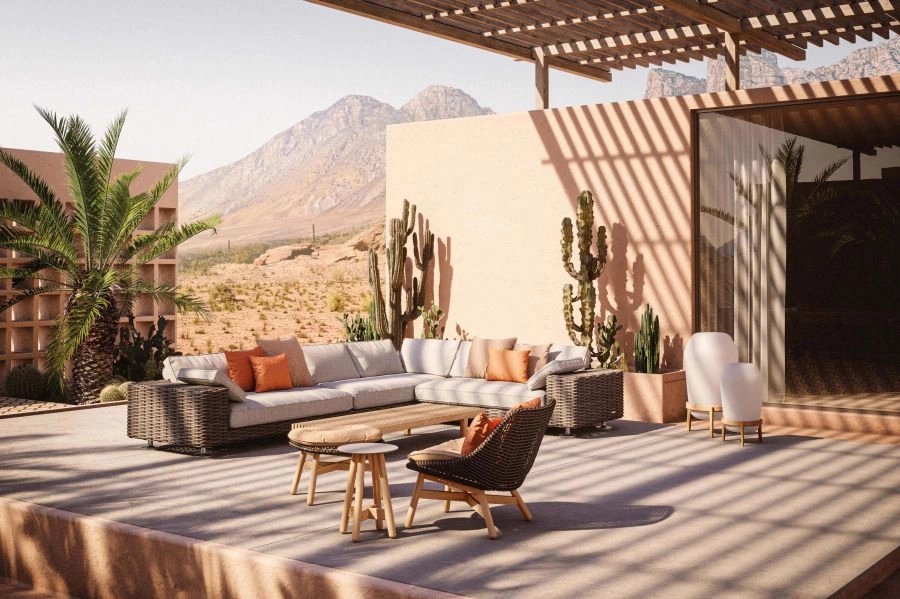
Natural Materials in Mediterranean Design
Natural materials are essential in Mediterranean Design.
Stone, wood, terracotta, clay, linen, and limewash surfaces bring warmth, texture, and authenticity into contemporary interiors. In addition, these materials age naturally over time, reinforcing the timeless quality of Mediterranean spaces.
As a result, interiors feel tactile, grounded, and deeply connected to nature.
Structure, Simplicity, and Balance
Mediterranean Design is also defined by architectural simplicity and structural balance.
Clean volumes, soft neutral palettes, and harmonious proportions create spaces that feel calm and sophisticated without excessive decoration. Rather than focusing on ornamentation, designers prioritize atmosphere, natural flow, and material richness.
Consequently, Mediterranean Design reflects a refined and timeless approach to contemporary architecture.
Indoor–Outdoor Living Experience
The connection between interior and exterior spaces plays a central role in Mediterranean Design.
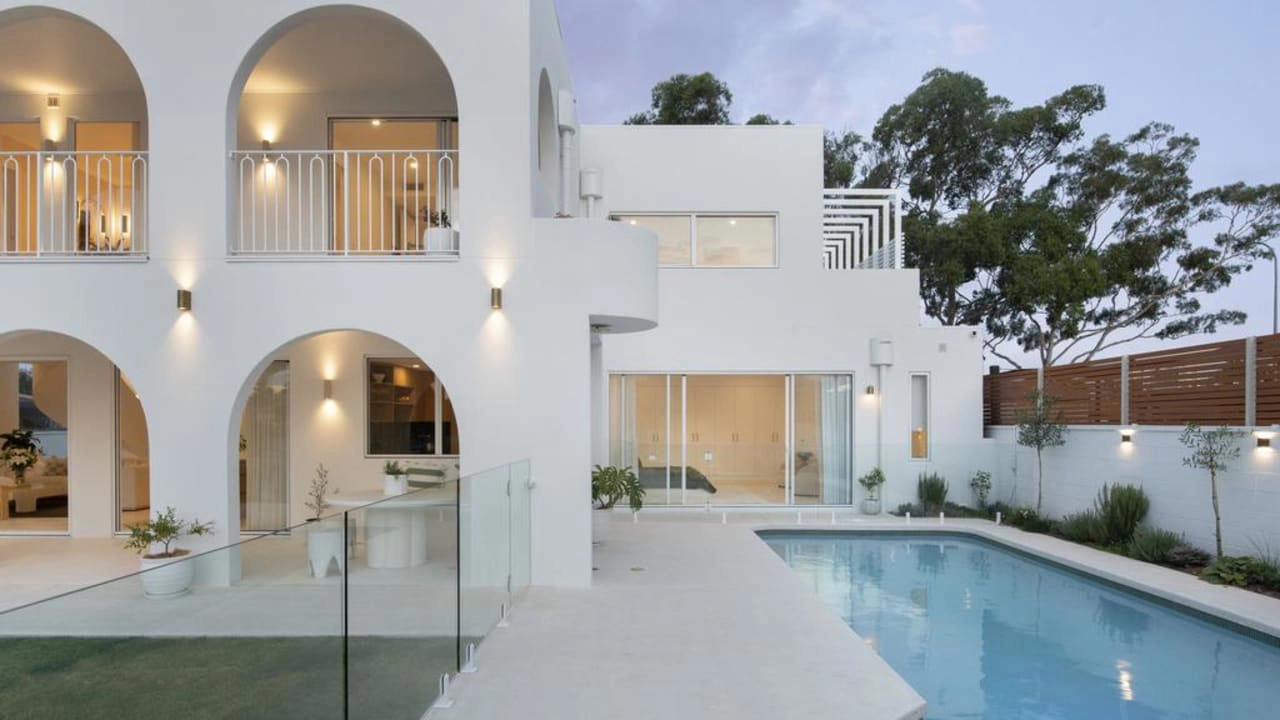
Open terraces, shaded patios, and large windows create seamless transitions between architecture and landscape. This relationship encourages a slower and more connected lifestyle centered around light, nature, and outdoor living.
Because of this, Mediterranean Design continues to inspire contemporary coastal homes and modern hospitality spaces around the world.
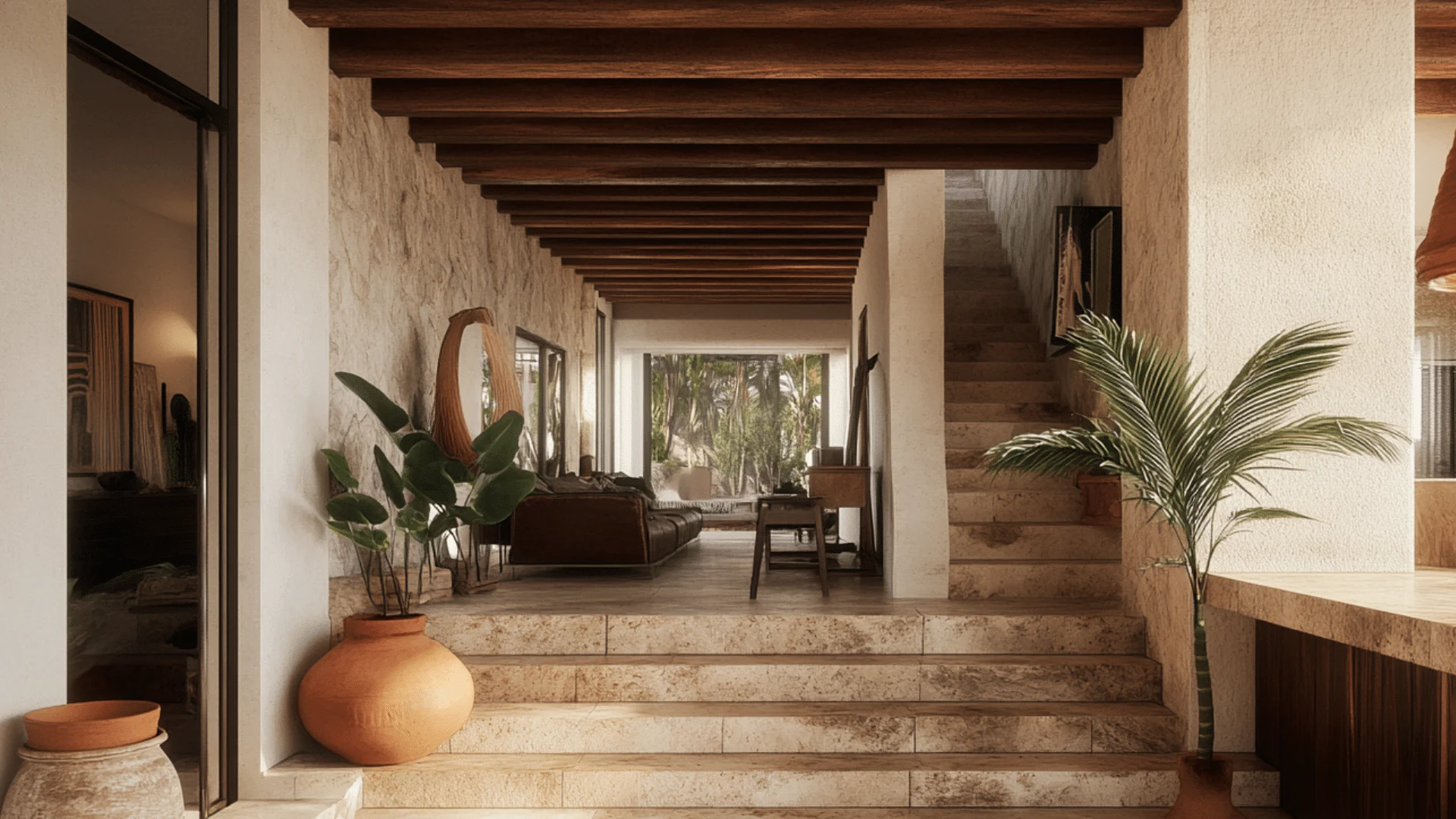
Mediterranean Design and Emotional Wellbeing
Mediterranean Design also supports emotional wellbeing through calm and sensory environments.
Soft textures, natural materials, warm tones, and natural light help create interiors that feel restorative and welcoming. In addition, open spaces and organic forms contribute to a stronger sense of relaxation and comfort.
As a result, Mediterranean interiors feel both sophisticated and emotionally balanced.
Contemporary Mediterranean Design
Today’s designers are reinterpreting Mediterranean Design through minimalist aesthetics and contemporary architecture.
Traditional elements are combined with modern materials, clean lines, and sustainable solutions to create spaces that feel timeless yet current. Furthermore, contemporary Mediterranean interiors often integrate global influences while maintaining a strong connection to local identity.
Therefore, Mediterranean Design continues to evolve without losing its cultural essence.
Sustainability and Mediterranean Architecture
Sustainability is naturally integrated into Mediterranean Design principles.
Passive cooling systems, natural ventilation, local materials, and climate-responsive architecture reduce environmental impact while improving comfort and efficiency.
Moreover, the focus on durable materials and timeless aesthetics encourages more conscious and long-lasting design solutions.
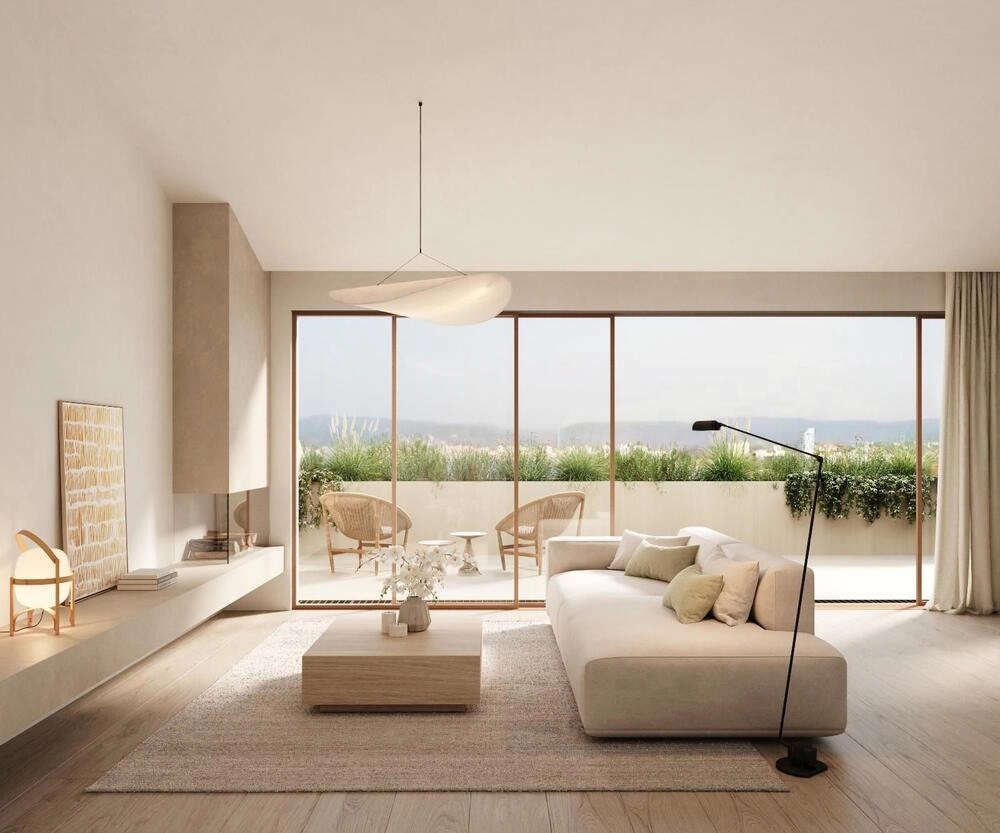
The Global Influence of Coastal Architecture
Mediterranean-inspired aesthetics have become a global source of inspiration in contemporary architecture and interiors.
From luxury coastal homes to boutique hotels and modern apartments, designers around the world reinterpret warm natural materials, organic textures, and climate-responsive spaces through contemporary perspectives.
As a result, this architectural philosophy continues to shape modern living through simplicity, warmth, and a strong connection to nature.
Conclusion
This timeless architectural approach represents a balance between nature, structure, and contemporary living.
It combines simplicity, natural materials, and emotional comfort into spaces that feel authentic, calm, and refined.
Ultimately, contemporary coastal interiors and architecture continue to evolve by creating environments deeply connected to landscape, lifestyle, and human experience.