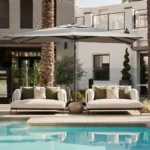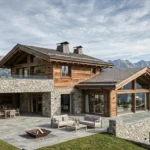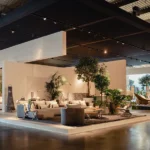

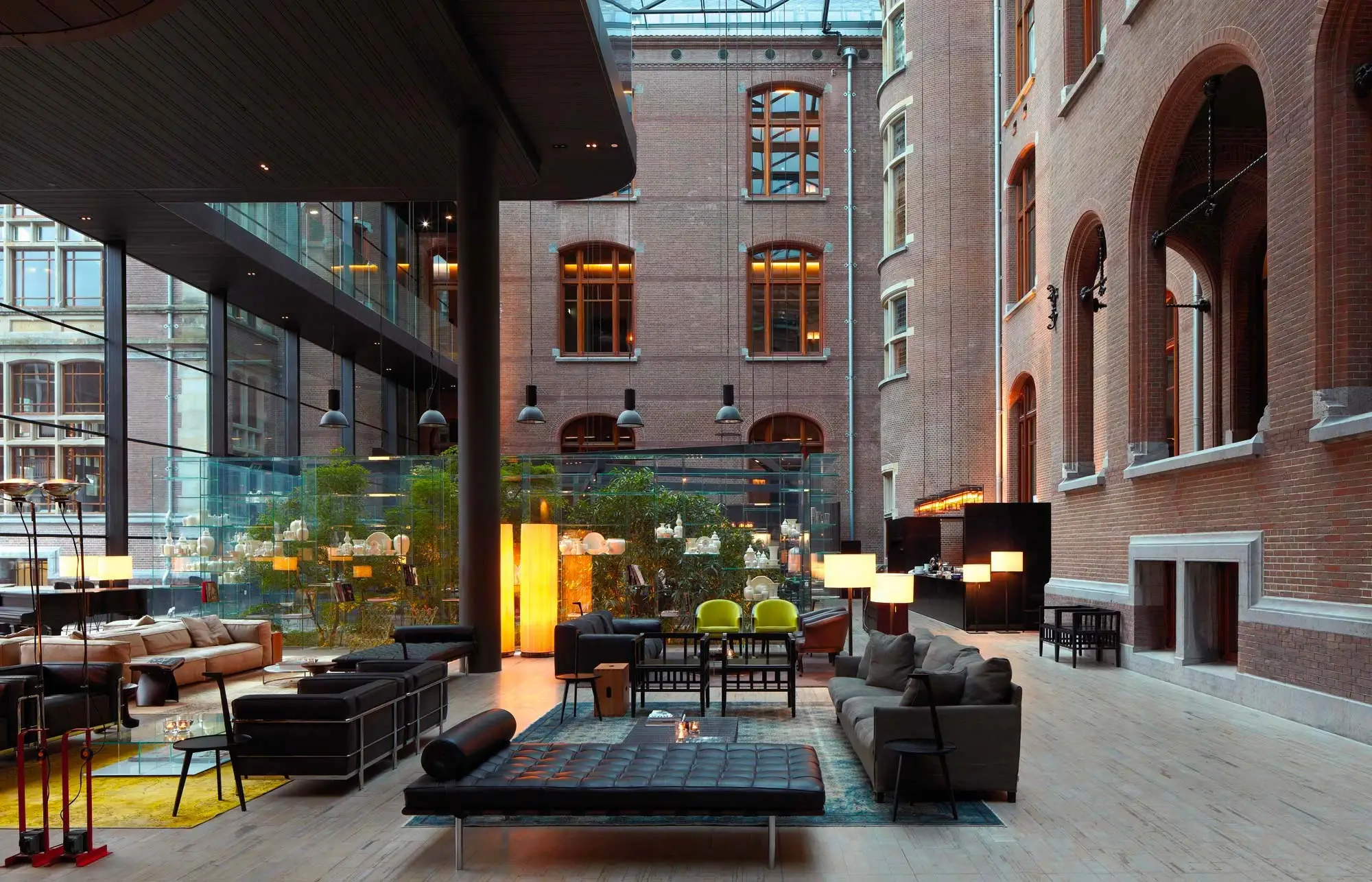
Across contemporary architecture and design, Piero Lissoni has established a distinctive voice rooted in clarity, proportion, and restraint. For outdoor designers, architects, and luxury design studios, Piero Lissoni represents a benchmark in how minimalism can shape exterior living environments with both precision and emotional depth.
Working through Lissoni & Partners, his approach extends beyond aesthetics into a holistic design methodology. Projects span architecture, landscape, and product design, unified by a consistent language of simplicity and rigor. As a result, exterior spaces are not treated as secondary elements but as integral components of a larger spatial narrative—where every line, material, and proportion contributes to a cohesive living experience.
The Evolution of Minimalism in Exterior Design
Minimalism, in Lissoni’s work, is not about reduction for its own sake. Instead, it is a disciplined process of refinement. His projects demonstrate how eliminating excess allows architecture and landscape to communicate more clearly.
Historically, outdoor spaces often relied on decorative layering. However, Lissoni’s philosophy shifts the focus toward spatial purity and intentional composition. Clean geometries, controlled material palettes, and precise detailing define his exterior environments.
For luxury projects, this approach creates a sense of calm and order. Rather than overwhelming the user, the design invites contemplation. Consequently, exterior living spaces become extensions of interior architecture—quiet, balanced, and deeply connected to their surroundings.

Spatial Continuity Between Interior and Exterior
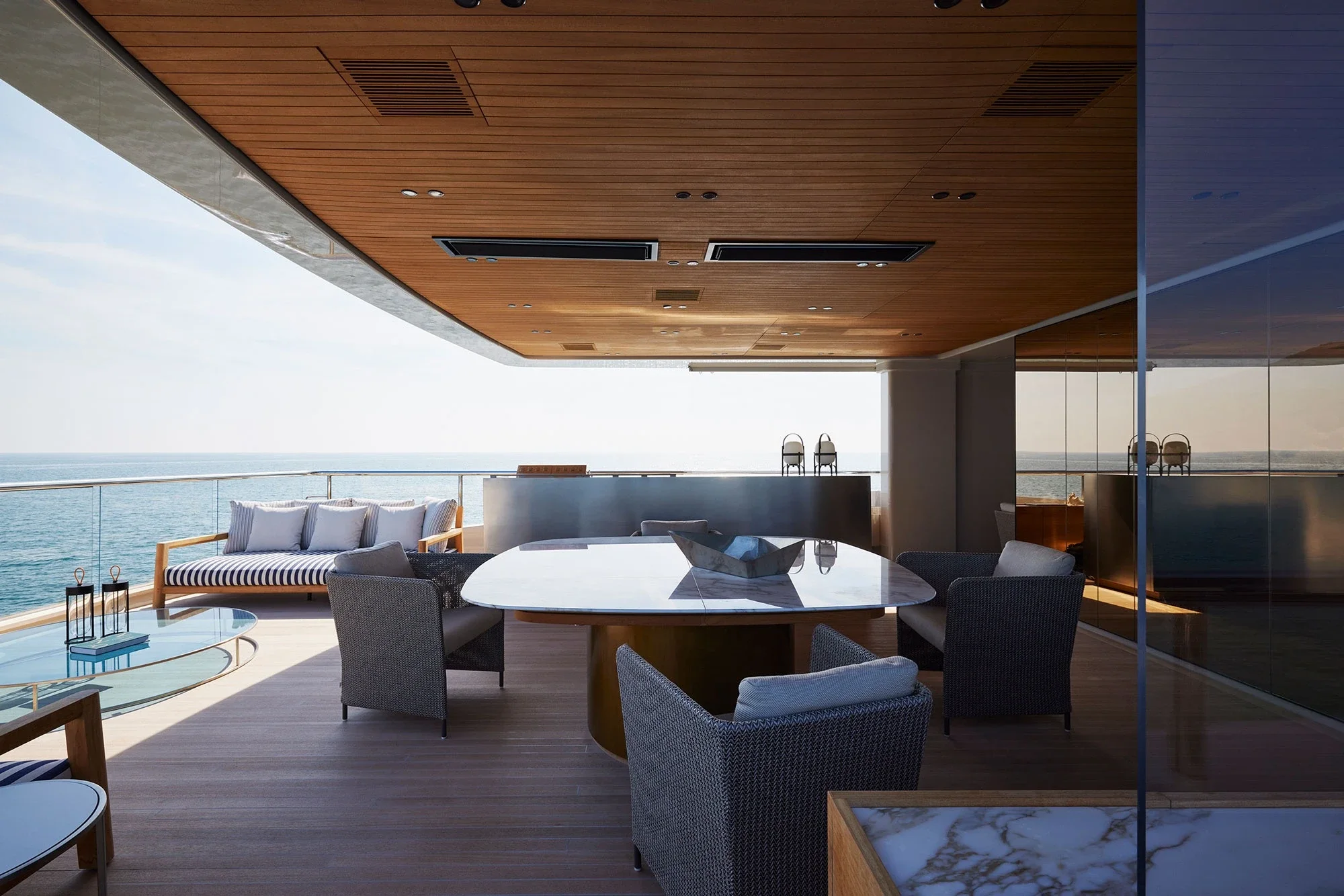
One of the defining characteristics of Piero Lissoni’s work is the seamless transition between indoor and outdoor environments. Boundaries are softened through transparency, alignment, and material consistency.
Key strategies include:
- Expansive glazing that dissolves visual barriers
- Continuity of flooring materials from interior to exterior
- Framed views that guide the eye toward landscape elements
- Subtle level changes that define zones without interruption
- Architectural elements such as pergolas that extend interior lines outward
These techniques create a unified spatial experience where exterior living areas feel like natural extensions of the architecture itself.
Material Precision and Timeless Elegance
Material selection is central to Lissoni’s minimalist vision. His projects rely on a restrained palette, often limited to a few carefully chosen materials that emphasize texture and proportion over ornamentation.
Natural stone, wood, glass, and metal are frequently used in combination, each selected for its tactile and visual qualities. The emphasis is on authenticity—materials are allowed to express their inherent characteristics rather than being overly manipulated.
Moreover, attention to detail is paramount. The studio’s work is “distinguished by rigor, simplicity… and attention to proportion and harmony.” This commitment ensures that every junction, surface, and transition contributes to the overall coherence of the space.
Climate-Responsive Minimalism in Outdoor Spaces
Minimalist design in exterior environments must also respond to climate conditions. Lissoni’s projects demonstrate how simplicity can enhance environmental performance without compromising aesthetics.
Typical strategies include:
- Pergolas and overhangs that provide controlled shading
- Orientation of spaces to optimize natural light and ventilation
- Use of reflective or neutral materials to reduce heat absorption
- Integration of water elements for cooling and sensory balance
- Strategic planting to soften architecture and regulate microclimates
These elements ensure that outdoor spaces remain comfortable and functional while maintaining a refined visual language.
Landscape Integration as a Design Principle
In Lissoni’s work, landscape is not treated as a decorative layer but as an essential component of the architectural composition. Projects often begin with a deep understanding of the site, allowing natural features to inform the design.
For example, in residential villa projects, architecture is carefully balanced with its environment, creating a dialogue between built form and landscape. The result is a cohesive system where outdoor spaces feel intrinsic rather than applied.
This integration reinforces a key principle for luxury design: true minimalism requires harmony between all elements. Architecture, landscape, and furniture must operate as a unified whole.
Outdoor Furniture in the Lissoni Design Language
Furniture plays a subtle yet critical role in defining exterior living spaces within Lissoni’s projects. Rather than acting as focal points, furniture pieces support the overall composition.
Design considerations typically include:
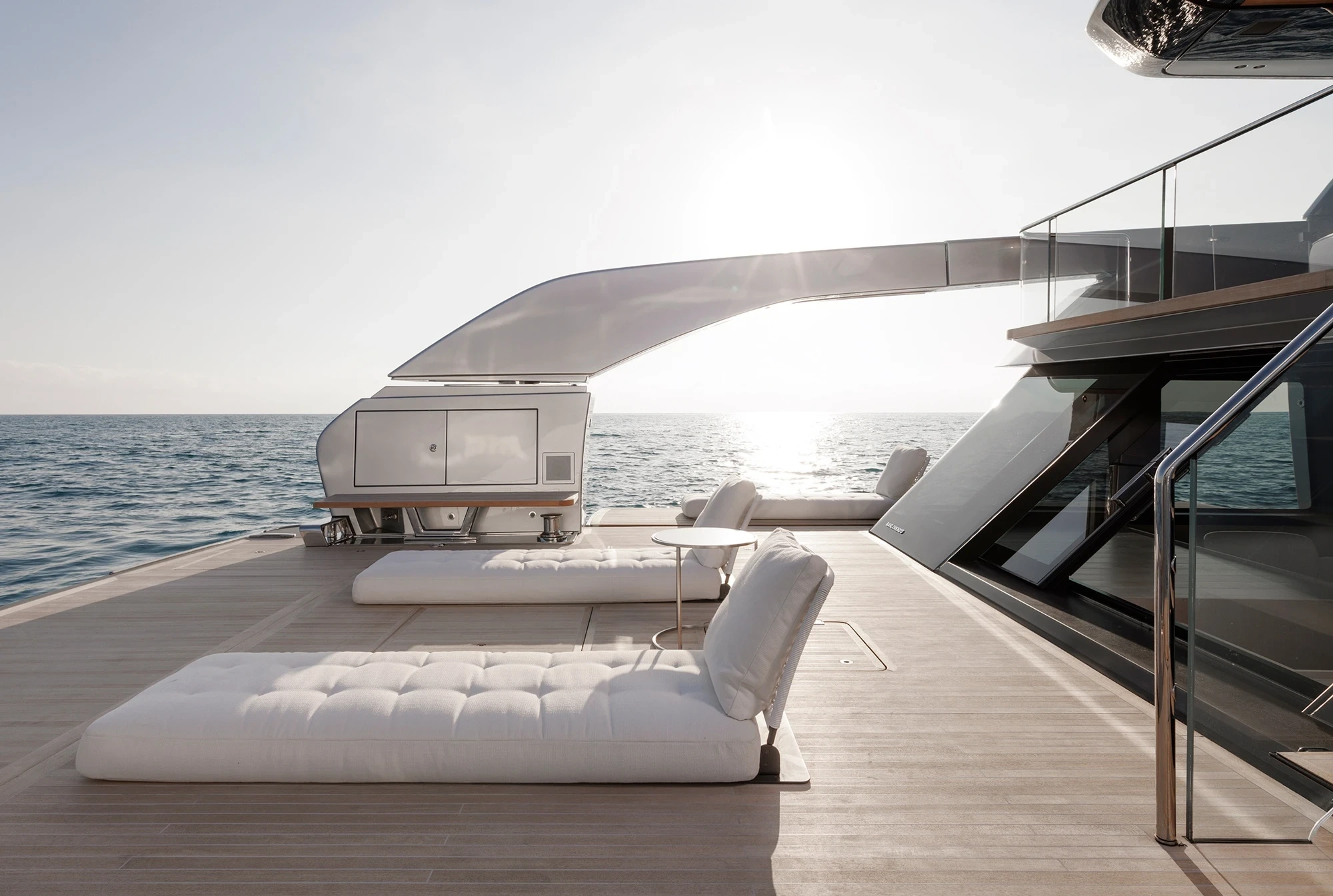
- Low-profile forms that align with architectural geometry
- Neutral tones that blend seamlessly with material palettes
- High-quality materials that withstand outdoor conditions
- Modular configurations that allow flexibility in use
- Precise detailing that reflects the broader design language
By integrating furniture into the architectural framework, Lissoni ensures that outdoor spaces remain cohesive and uncluttered.
Exterior Living in Hospitality and Residential Projects
Piero Lissoni’s influence extends across both residential and hospitality environments. His projects demonstrate how minimalist principles can elevate outdoor living experiences in diverse contexts.
In luxury residential settings, exterior spaces prioritize privacy, tranquility, and personal connection to the landscape. In hospitality projects, the focus shifts toward creating shared environments that feel both refined and inviting.
Across both typologies, the underlying approach remains consistent: simplicity, coherence, and attention to detail. This consistency allows his work to maintain a strong identity while adapting to different functional requirements.
Technology and Precision in Design Development
Behind the apparent simplicity of Lissoni’s work lies a highly rigorous design process. Projects developed by Lissoni & Partners involve extensive research, modeling, and technical refinement to ensure precision at every scale.
Digital tools support the exploration of proportion, light, and spatial relationships. These technologies allow designers to refine concepts before execution, ensuring that the final result aligns with the intended vision.
For luxury projects, this level of precision is essential. It enables the creation of outdoor environments that feel effortless, even though they are the result of meticulous planning and coordination.
The Emotional Impact of Minimalist Outdoor Spaces
Minimalist exterior environments, when executed effectively, have a profound emotional impact. Lissoni’s work demonstrates how restraint can enhance sensory experience rather than diminish it.
By reducing visual noise, the design allows users to focus on essential elements—light, shadow, texture, and view. Outdoor spaces become places of reflection and relaxation, offering a sense of escape from the complexity of everyday life.
This emotional dimension is particularly important in luxury design. Clients increasingly seek environments that provide not only visual appeal but also psychological comfort and well-being.
The Future of Exterior Living Through a Minimalist Lens
As outdoor living continues to evolve, the principles embodied by Piero Lissoni will remain highly relevant. His work illustrates that minimalism is not a trend but a timeless approach grounded in clarity, proportion, and intentionality.
Future exterior spaces will likely continue to emphasize seamless integration, material authenticity, and environmental responsiveness. Designers will explore new technologies and materials, but the underlying philosophy will remain rooted in simplicity.
For outdoor designers and architects, Lissoni’s work offers a powerful lesson: true luxury lies not in excess, but in the precision of every detail.
Conclusion
Piero Lissoni has redefined exterior living spaces through a minimalist vision that prioritizes coherence, material integrity, and spatial harmony. His work with Lissoni & Partners demonstrates how architecture, landscape, and design can converge into a unified and refined experience.
For professionals in outdoor design and luxury environments, his approach provides a clear framework for creating spaces that are both elegant and enduring. As the demand for sophisticated outdoor living continues to grow, embracing these principles will be essential for shaping the next generation of high-end exterior environments.