
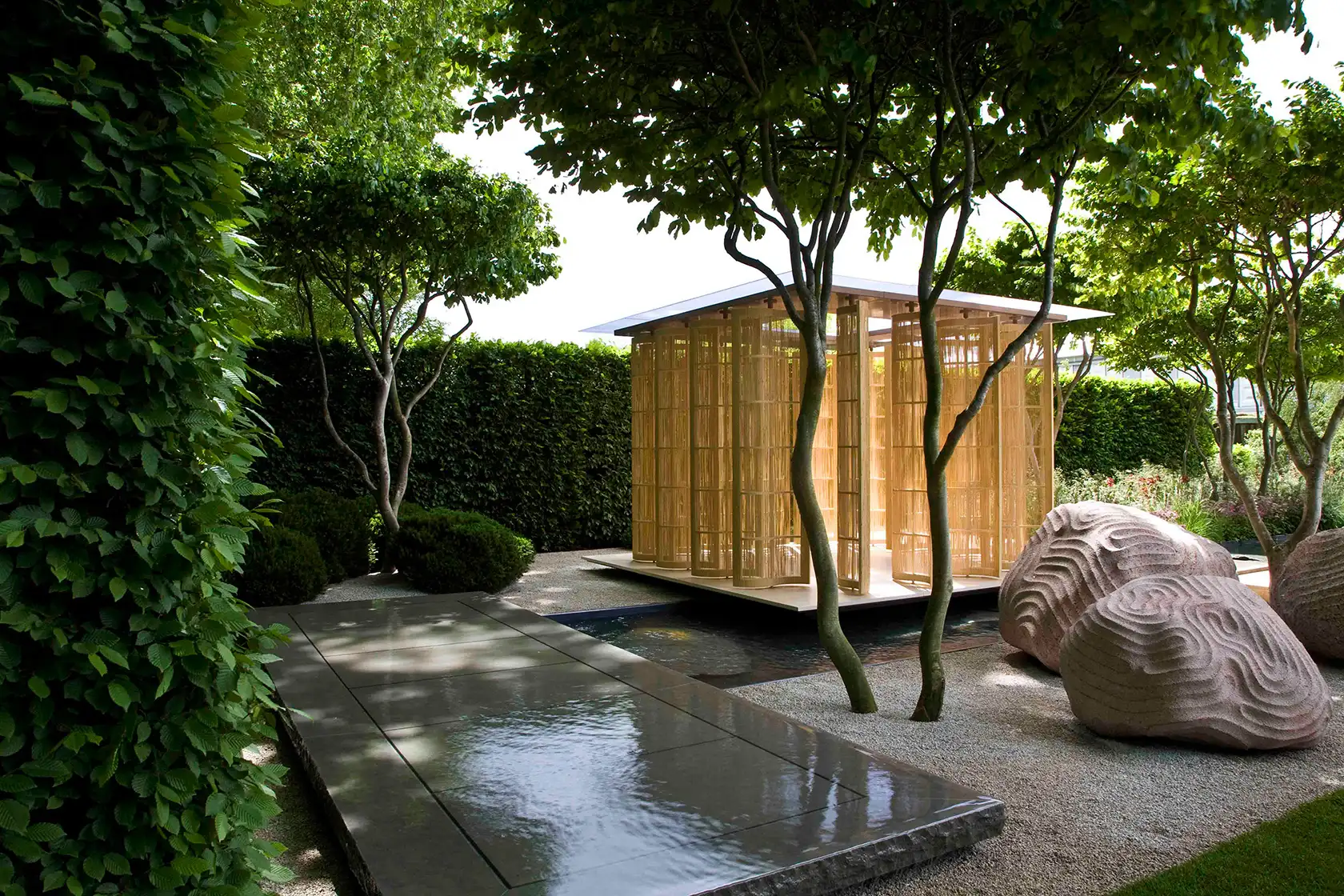
The work of Luciano Giubbilei stands at the intersection of landscape architecture, art, and cultural heritage. Known for his refined and sculptural approach, Giubbilei transforms outdoor spaces into composed environments where structure, planting, and light interact harmoniously.
For outdoor designers and architects, his work offers a compelling model of how landscapes can transcend decoration and become spatial experiences. Rooted in Italian tradition yet shaped by international practice, his projects demonstrate how gardens can function as architectural extensions defined by rhythm, proportion, and material clarity.
Foundations of Giubbilei’s Design Philosophy
At the core of Luciano Giubbilei’s approach is a philosophy grounded in simplicity, collaboration, and spatial precision:
- Emphasis on proportion, balance, and rhythm
- Integration of plants, materials, and architectural form
- Use of light as a defining design element
- Strong focus on collaboration with artists and craftsmen
- Creation of timeless, multi-layered environments
This philosophy allows Giubbilei to produce landscapes that feel both contemporary and deeply rooted in cultural tradition.
A Brief Biography of Luciano Giubbilei
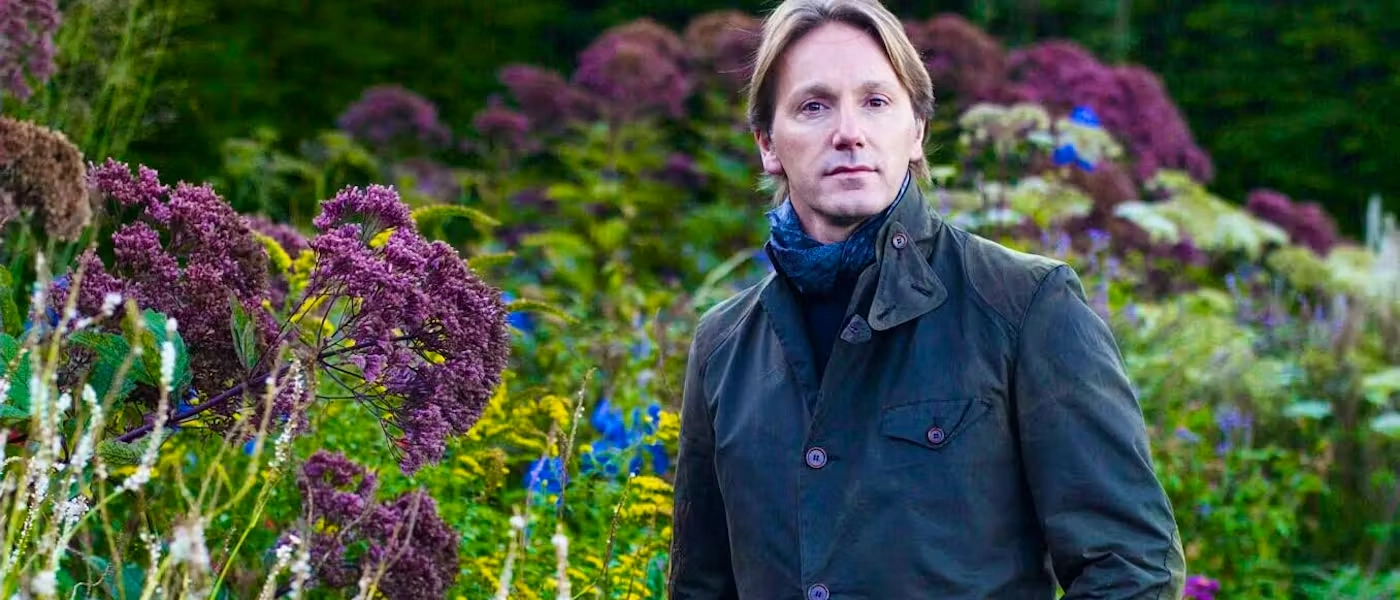
Born in Siena, Italy, Luciano Giubbilei began his career after moving to London in 1994, where he later studied at the Inchbald School of Design. By 1997, he had established his own landscape design practice, quickly gaining recognition for his distinctive style.
Over the years, his work has earned numerous awards, including multiple Gold Medals at the RHS Chelsea Flower Show. His projects span Europe, the United States, and beyond, reflecting a global practice rooted in Italian sensibility and artistic collaboration.
The Influence of Italian Landscape Tradition
Giubbilei’s work is deeply influenced by the historical landscapes of Italy, particularly those of Tuscany. Classical principles of geometry, perspective, and spatial hierarchy inform his approach, even in contemporary contexts.
His gardens often echo the structure of Renaissance villas, where outdoor spaces are organized into “rooms” defined by hedges, pathways, and architectural elements. This connection to tradition does not result in imitation but reinterpretation, allowing Giubbilei to create landscapes that feel both historic and modern.
Key Influences Shaping His Design Language
Several influences contribute to Giubbilei’s sculptural approach to landscape design:
- Italian masters such as Pietro Porcinai
- Renaissance garden traditions of Tuscany
- Collaborations with architects and contemporary artists
- Exposure to diverse climates and ecosystems
- A deep understanding of plant composition and structure
These influences allow him to balance artistic expression with environmental sensitivity.
Sculptural Space and the Use of Form
A defining characteristic of Luciano Giubbilei’s work is the sculptural quality of his landscapes. Rather than relying solely on planting, he uses spatial composition to create structure and meaning.
Hardscape elements, such as stone pathways and geometric layouts, establish a framework that organizes the garden. Within this framework, plants are arranged to create texture, movement, and contrast. The result is a landscape that feels carefully composed, where every element contributes to a cohesive spatial narrative.
Signature Design Elements in Giubbilei’s Projects
Across his portfolio, several elements consistently define his work:
- Repetition of forms to create rhythm and continuity
- Minimalist material palettes emphasizing clarity
- Layered planting schemes adding depth and variation
- Integration of water features enhancing sensory experience
- Use of negative space to highlight key elements
These strategies contribute to the sculptural quality that distinguishes his landscapes.
The Role of Light in Landscape Composition
Light plays a fundamental role in Giubbilei’s design process. His landscapes are conceived not only as static compositions but as environments that change throughout the day.
By carefully considering orientation, shadow, and reflection, he creates spaces that evolve with natural light. Water features, stone surfaces, and planting compositions are positioned to capture and reflect light, enhancing the visual and emotional impact of the garden. This sensitivity to light reinforces the connection between landscape and atmosphere.
Techniques for Working with Light in Outdoor Design
Designers inspired by Giubbilei often focus on:
- Positioning elements to capture natural light
- Using reflective materials such as water and stone
- Creating contrast through shadow and texture
- Designing for seasonal changes in light conditions
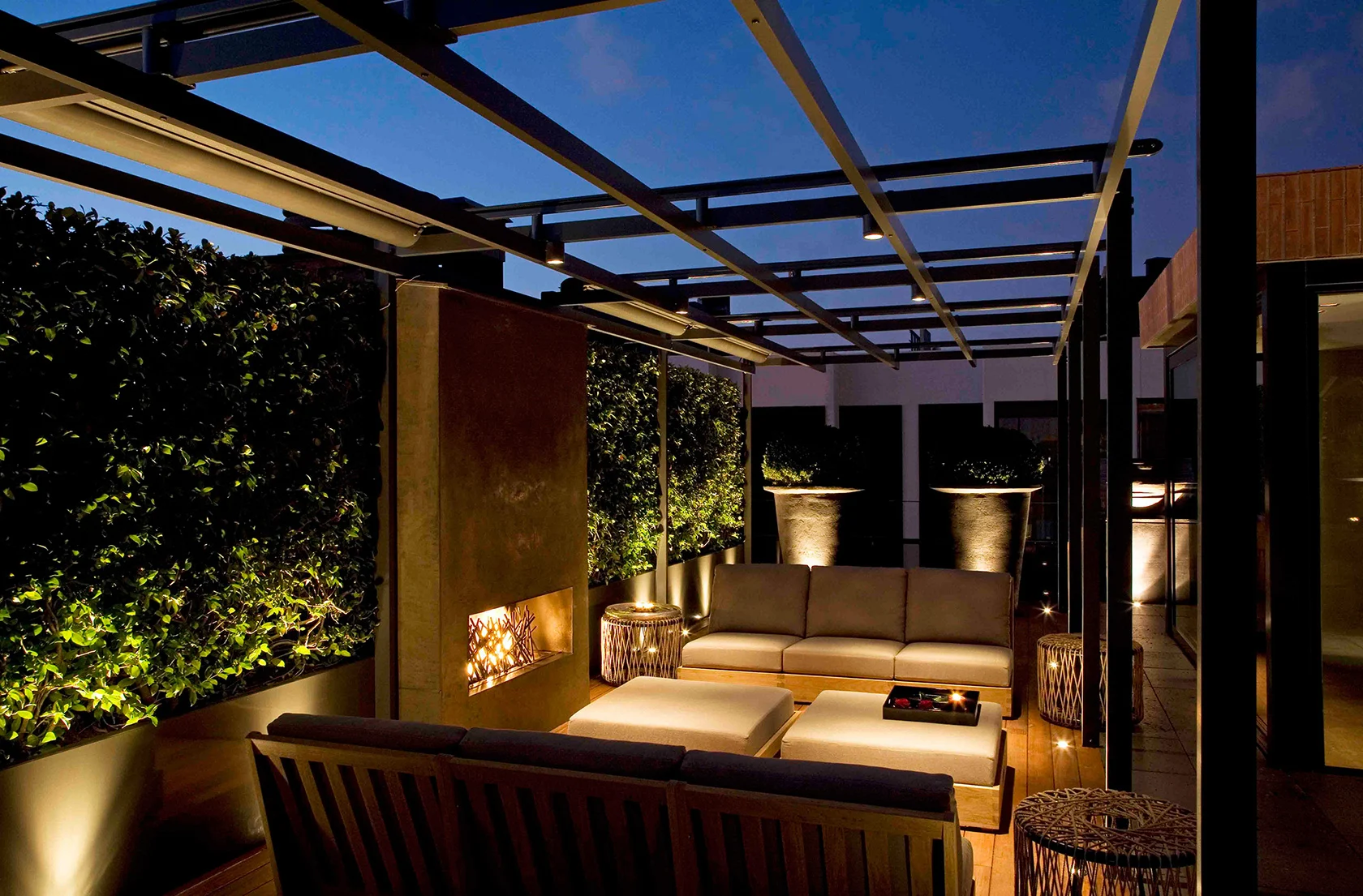
- Enhancing evening ambiance with subtle lighting
These techniques help create dynamic and engaging outdoor environments.
Planting as a Structural Element
In Giubbilei’s landscapes, planting is not merely decorative—it is structural. Plants are used to define space, guide movement, and create visual rhythm.
He often employs restrained palettes, focusing on texture and form rather than color alone. Grasses, perennials, and carefully selected trees are arranged to create layered compositions that evolve over time. This approach reflects a deep understanding of horticulture and a commitment to creating landscapes that are both beautiful and sustainable.
Key Characteristics of Giubbilei’s Planting Design
His planting strategies typically include:
- Limited color palettes for visual coherence
- Textural variation through grasses and foliage
- Seasonal interest ensuring year-round appeal
- Use of native or climate-adapted species
- Layered compositions creating depth and movement
These elements contribute to the timeless quality of his landscapes.
Collaboration Across Disciplines
Collaboration is central to Luciano Giubbilei’s practice. He frequently works with architects, artists, and craftsmen to create integrated design solutions.
These collaborations allow him to expand the boundaries of landscape design, incorporating elements such as sculpture, custom furniture, and architectural detailing. By working across disciplines, Giubbilei ensures that each project is a cohesive whole, where every component contributes to the overall design vision.
Notable Projects and International Reach
Giubbilei’s portfolio includes a wide range of projects, from private gardens to large-scale landscapes. His work spans locations such as Tuscany, Formentera, Morocco, and the United States.
Notable projects include experimental planting at Great Dixter and large residential landscapes that integrate architecture and nature. Each project reflects his ability to adapt his design language to different contexts while maintaining a consistent aesthetic of elegance and restraint.
Core Characteristics Across His Global Projects
Despite geographic diversity, his projects share common traits:
- Strong connection to local context and climate
- Emphasis on timeless design rather than trends
- Integration of architecture and landscape
- Focus on sensory and emotional experience
- Commitment to craftsmanship and detail
These characteristics make his work highly relevant to contemporary luxury design.
Furniture and Object Design in the Landscape
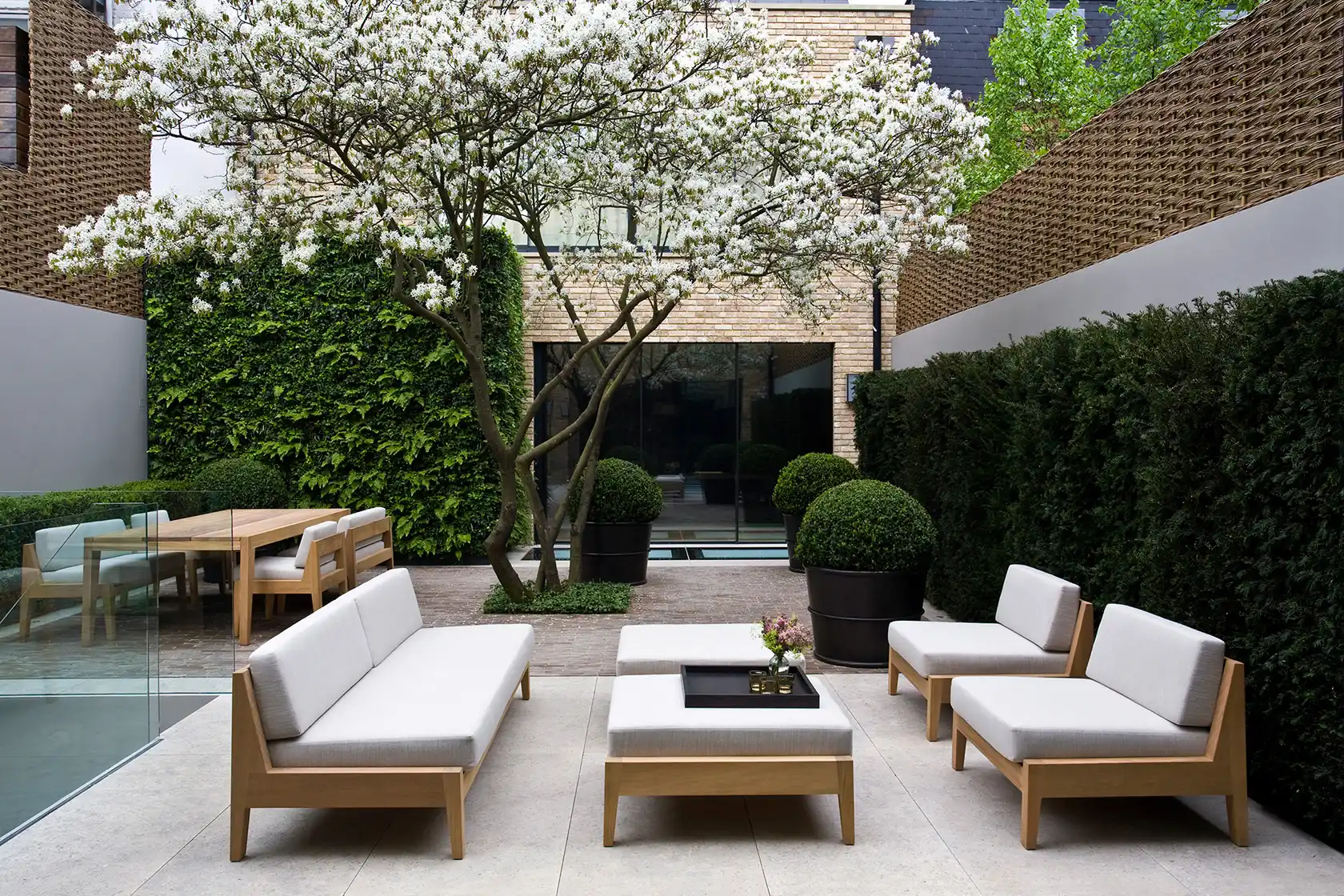
Beyond gardens, Luciano Giubbilei has explored furniture design as an extension of his landscape practice. Collaborating with designers, he has developed outdoor furniture collections that reflect his core principles.
These pieces emphasize simplicity, proportion, and materiality, ensuring that they integrate seamlessly into the landscape. For Giubbilei, furniture is not an afterthought but an essential component of the overall composition, contributing to both function and aesthetic continuity.
The Emotional Dimension of Sculptural Landscapes
One of the most compelling aspects of Giubbilei’s work is its emotional resonance. His landscapes are designed to evoke calm, contemplation, and a sense of connection with nature.
Through the careful orchestration of space, light, and planting, he creates environments that encourage reflection and engagement. This emotional dimension is particularly important in luxury design, where outdoor spaces are expected to provide not only visual beauty but also a meaningful experience.
Lessons for Contemporary Outdoor Designers
Professionals can draw valuable insights from Luciano Giubbilei’s approach:
- Focus on clarity and restraint in design
- Use space and form as primary design tools
- Integrate architecture, landscape, and objects
- Prioritize context and environmental response
- Design for long-term evolution and sustainability
These principles are increasingly relevant in the creation of high-end outdoor environments.
The Enduring Influence of Luciano Giubbilei
The work of Luciano Giubbilei continues to shape contemporary landscape architecture, particularly in the realm of sculptural and modernist garden design. His ability to merge tradition with innovation has established him as one of the most influential figures in the field.
For architects, outdoor designers, and luxury design studios, his projects offer a powerful example of how landscapes can be both artistic and functional. As the demand for sophisticated outdoor environments grows, Giubbilei’s approach provides a timeless framework for creating spaces that are elegant, immersive, and deeply connected to their surroundings.