

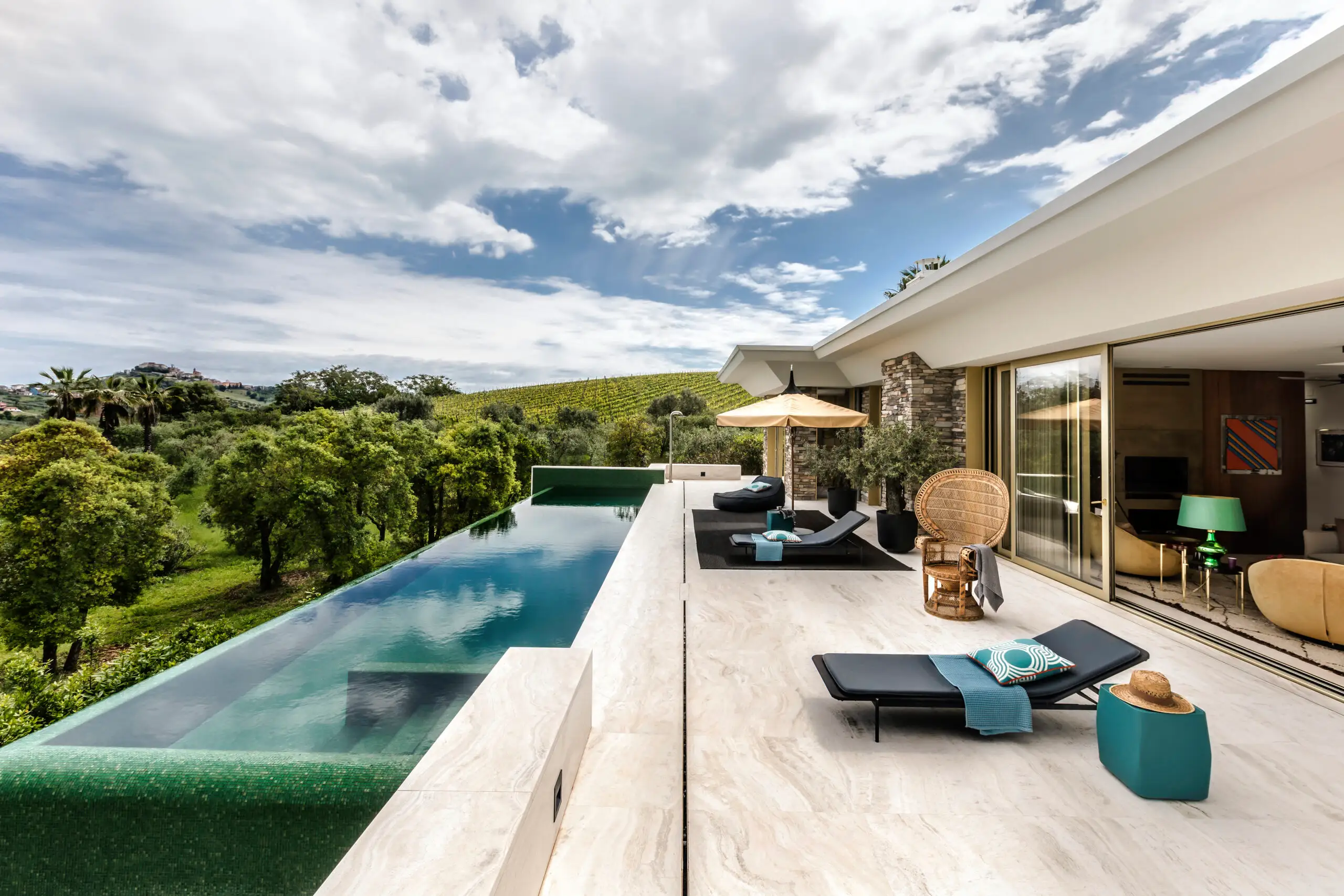
Outdoor luxury living design is redefining how contemporary architecture integrates exterior spaces into everyday life. Today, outdoor areas are no longer secondary environments. Instead, they are extensions of interior living, shaped by comfort, aesthetics, and functionality.
As a result, architects and designers are creating seamless transitions between indoor and outdoor spaces, elevating the concept of modern luxury living.
Architecture and the Evolution of Outdoor Spaces
Contemporary architecture has transformed how we experience outdoor environments. In outdoor luxury living design, terraces, gardens, and patios are treated as fully functional living spaces.
Moreover, large glass openings, sliding systems, and structural continuity blur the boundaries between inside and outside. This architectural approach enhances natural light, ventilation, and spatial flow.
Therefore, outdoor living becomes an essential part of modern residential design.
Materiality and Natural Integration
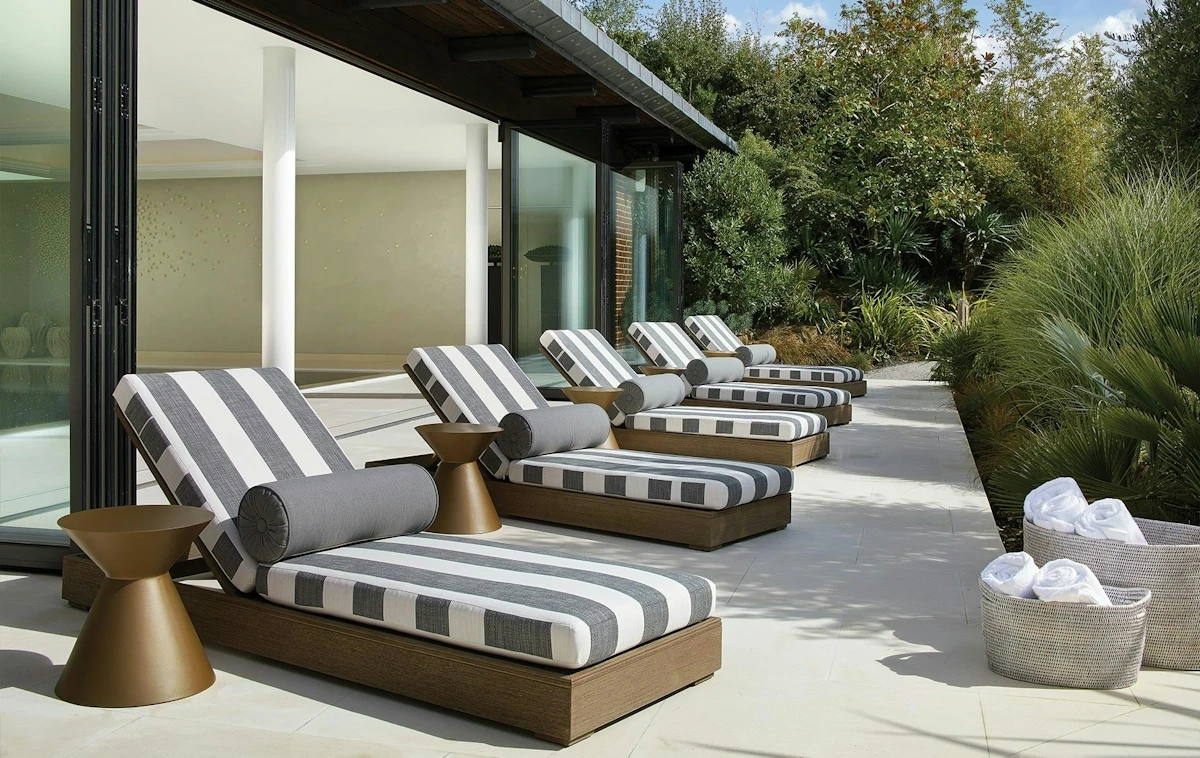
Materials play a crucial role in outdoor luxury living design. Designers increasingly rely on natural stone, wood, concrete, and metal finishes to create harmony with the surrounding environment.
In addition, weather-resistant fabrics and modular furniture enhance durability without compromising aesthetics.
As a result, outdoor spaces feel both sophisticated and organically connected to nature.
Furniture Design for Exterior Luxury Spaces
Furniture is a defining element of outdoor luxury living design. Today’s outdoor collections prioritize comfort, modularity, and timeless aesthetics.
Brands and designers are creating pieces that mirror indoor furniture quality while adapting to exterior conditions.
Furthermore, ergonomic forms and neutral palettes dominate contemporary outdoor collections, reinforcing a sense of calm and continuity.
Lighting and Atmosphere in Outdoor Living
Lighting is essential in shaping ambiance. In outdoor luxury living design, lighting is used to highlight architecture, define zones, and create emotional atmosphere.
Soft LED systems, integrated ground lighting, and architectural fixtures extend usability into the night.
Therefore, outdoor environments become immersive and experiential spaces.
Sustainability in Outdoor Architecture
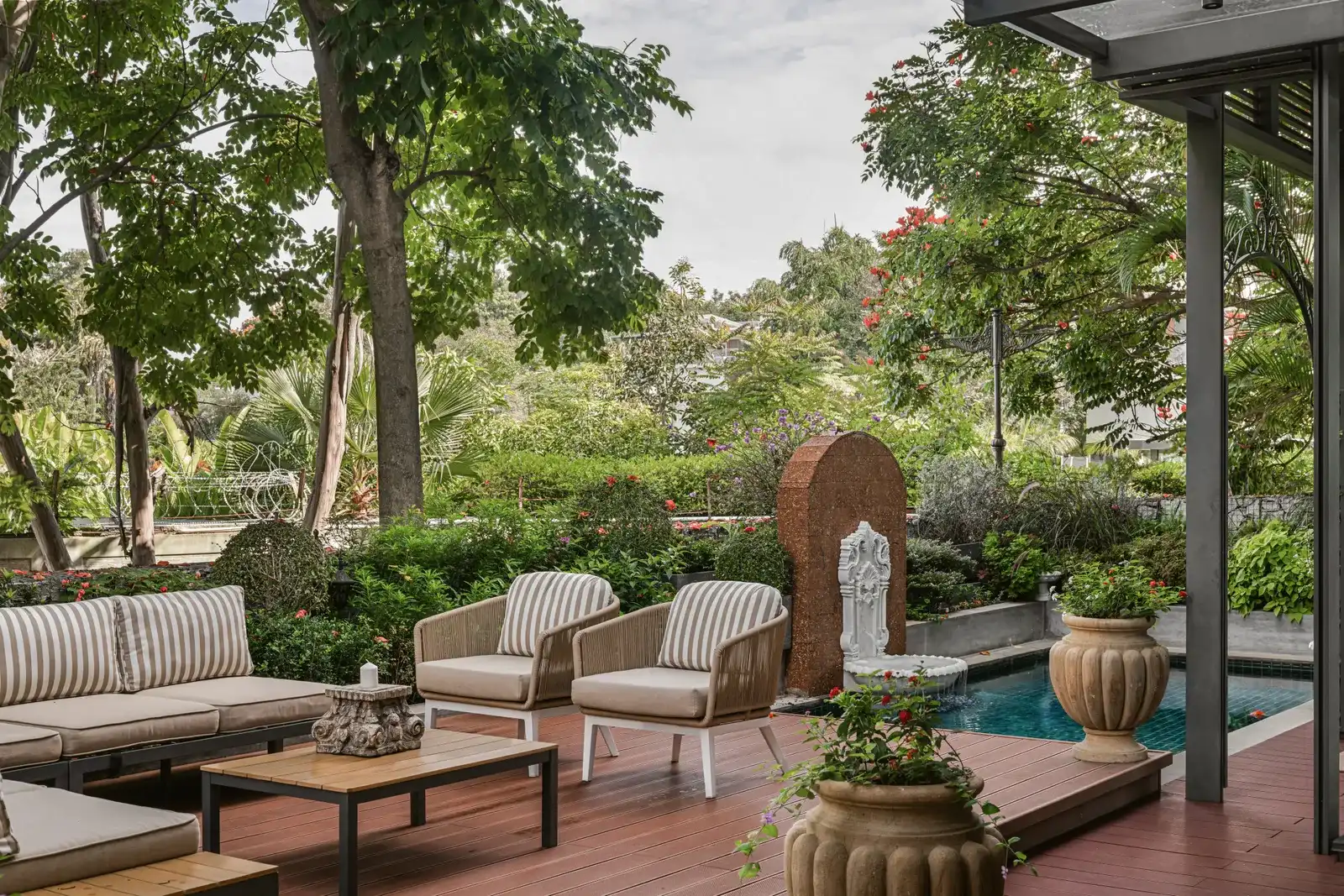
Sustainability is a core principle in modern architecture. Outdoor luxury living design increasingly incorporates eco-conscious materials, energy-efficient systems, and landscape integration.
Moreover, designers are prioritizing native vegetation and water-efficient landscaping strategies.
As a result, outdoor spaces become environmentally responsible while maintaining luxury aesthetics.
The Future of Outdoor Luxury Living
The future of outdoor luxury living design is focused on flexibility, wellness, and technology integration.
Smart outdoor systems, adaptive shading, and multifunctional layouts are shaping the next generation of exterior spaces.
Consequently, outdoor living will continue to evolve as an essential part of contemporary architecture.
Conclusion
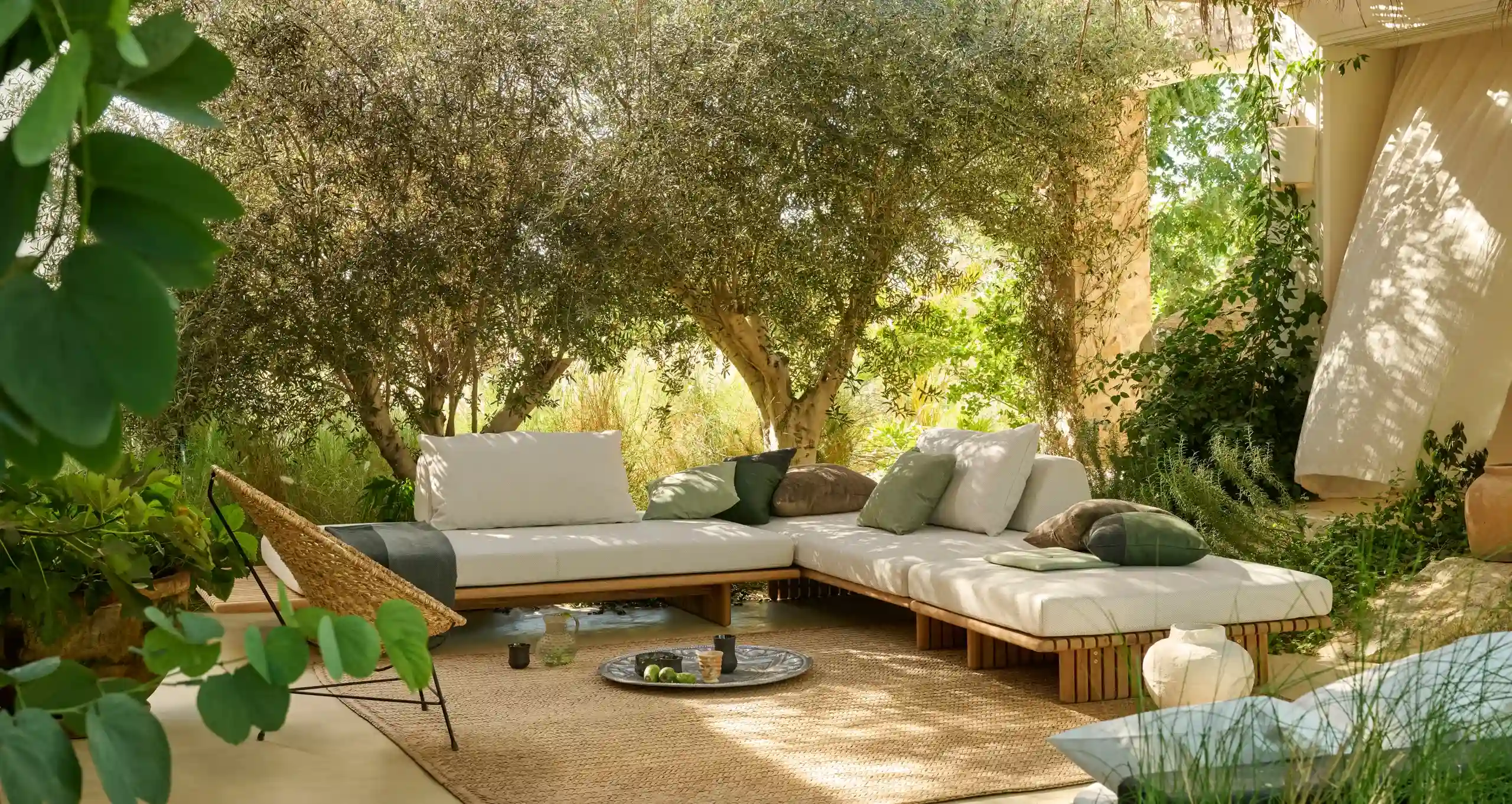
Outdoor luxury living design represents a fundamental shift in how architecture defines space. By merging interior comfort with exterior freedom, designers are creating environments that enhance lifestyle, wellbeing, and aesthetic experience.
Ultimately, outdoor living is no longer an extension of architecture—it is architecture itself.