
Seaside living architecture is redefining how contemporary coastal homes are designed. Today, architecture is no longer only about structure or style. Instead, it focuses on lifestyle, atmosphere, and connection to the surrounding landscape.
As a result, Mediterranean-inspired coastal design is becoming a global reference in modern architecture. It combines natural materials, open layouts, and seamless indoor-outdoor living.
Moreover, this approach reflects a growing desire for homes that feel calm, natural, and deeply connected to the sea.
The Essence of Seaside Living Architecture
Seaside living architecture is based on simplicity and harmony with nature.
For example, buildings are designed to maximize natural light, sea views, and ventilation. In addition, open layouts help create fluid transitions between indoor and outdoor spaces.
Therefore, architecture becomes part of the landscape instead of separating from it.
Mediterranean Influence in Coastal Design
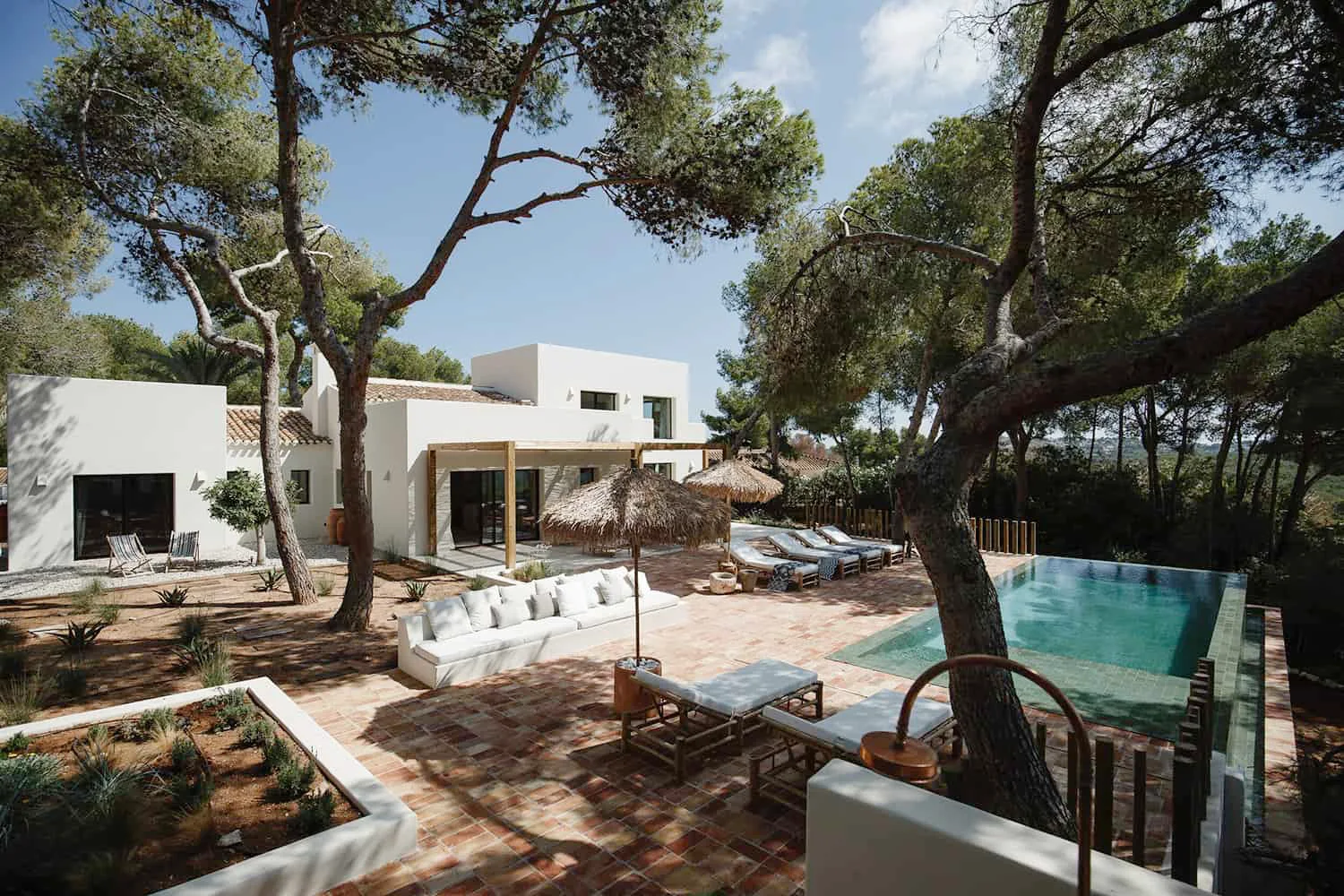
The Mediterranean region is one of the strongest influences in seaside living architecture.
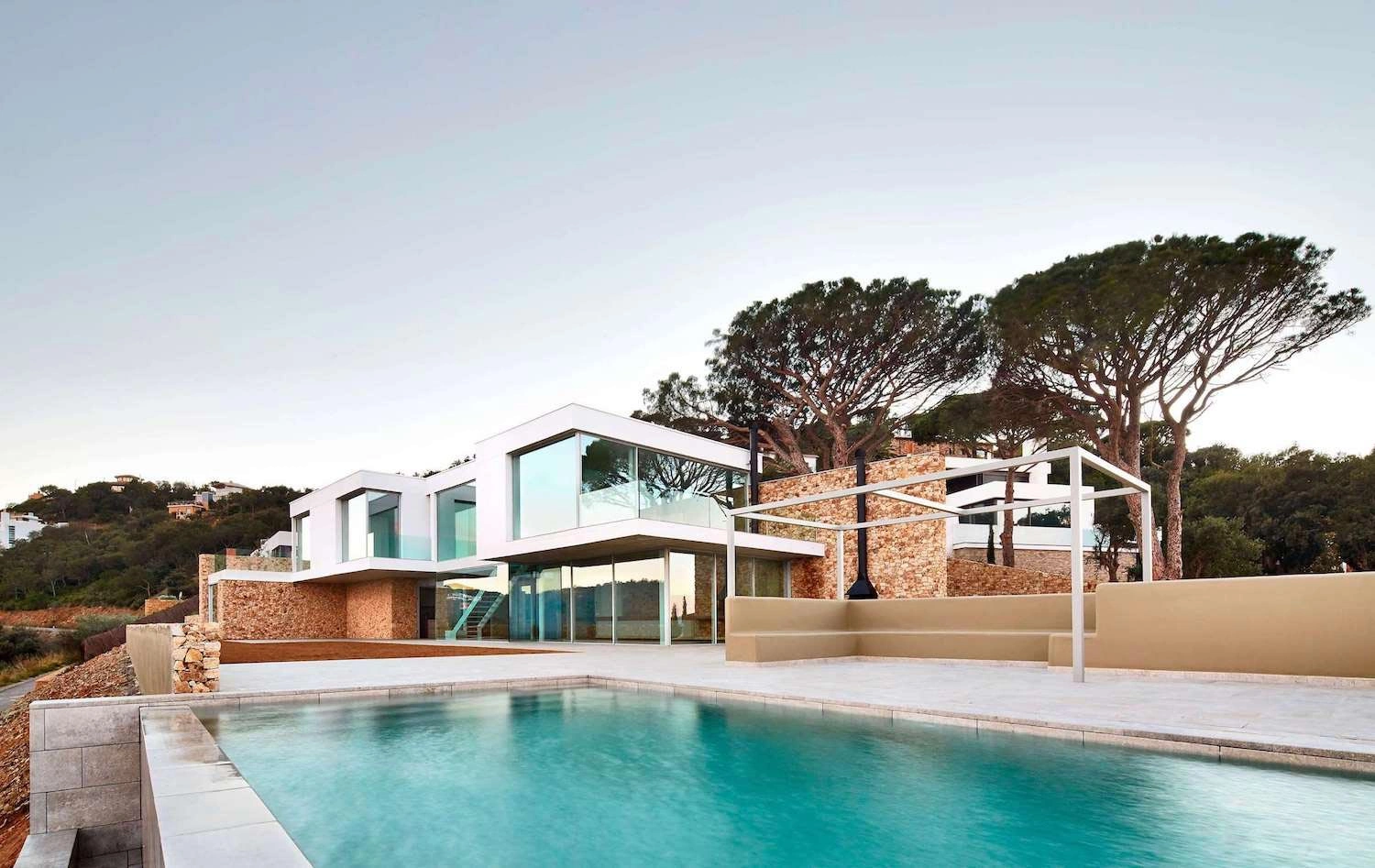
Stone, wood, lime plaster, and natural textures are commonly used to reflect the coastal environment. Moreover, these materials age naturally, creating timeless and authentic spaces.
As a result, homes feel warm, organic, and deeply rooted in place.
Indoor–Outdoor Living Experience
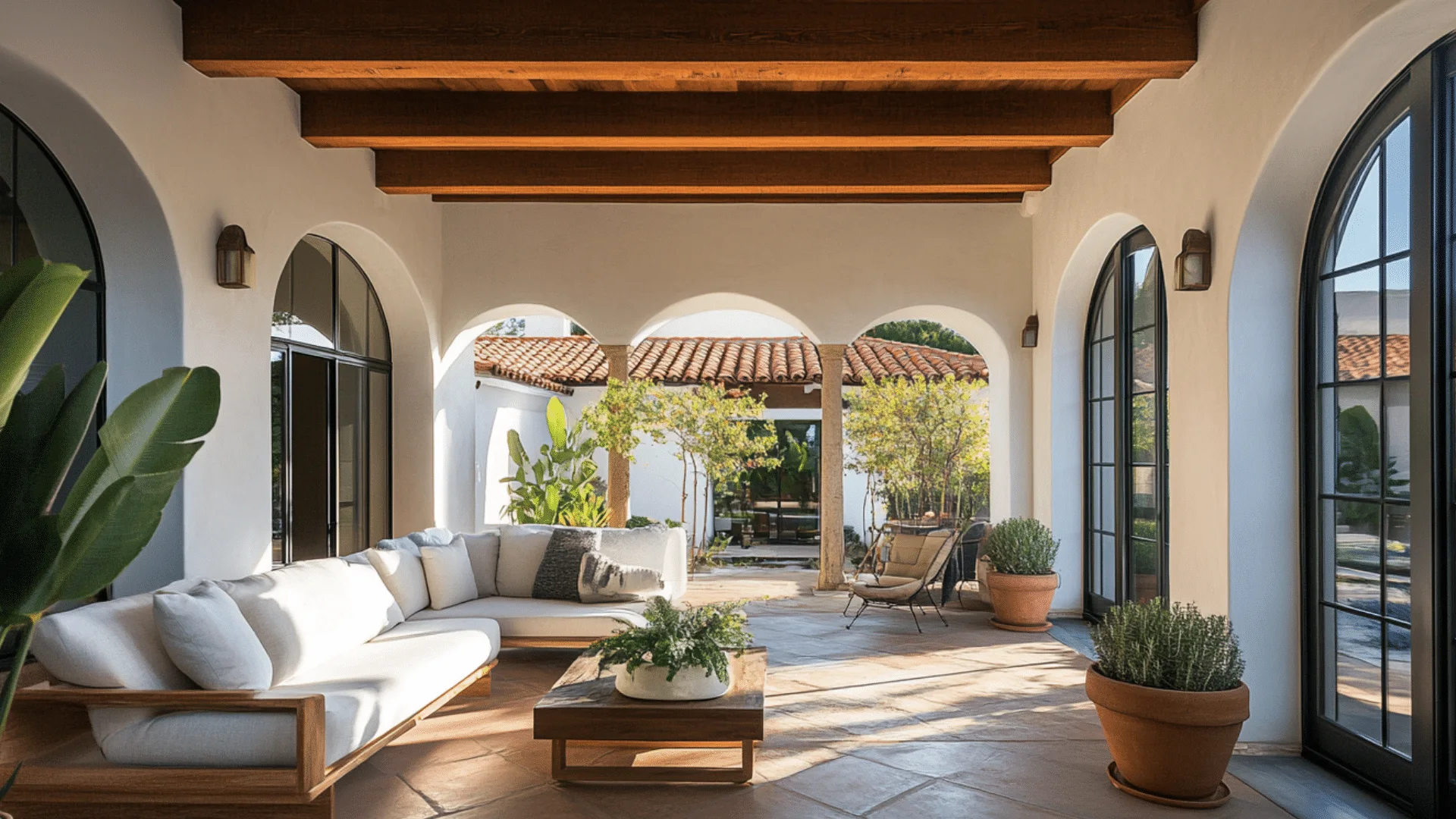
A key element of seaside living architecture is the connection between interior and exterior spaces.
Large windows, terraces, courtyards, and open facades allow nature to become part of everyday living.
In addition, this design approach improves comfort, ventilation, and natural lighting.
Therefore, life by the sea becomes more fluid and immersive.
Light, Climate, and Atmosphere
Light plays a central role in seaside living architecture.
Natural sunlight reflects off water and surfaces, creating dynamic atmospheres throughout the day.
Furthermore, architecture is often shaped to control heat, shade, and airflow in a natural way.
Because of this, coastal homes feel comfortable without relying heavily on artificial systems.
Natural Materials and Coastal Identity
Natural materials are essential in seaside living architecture.
Stone, timber, clay, and linen connect buildings to their environment.
In contrast to synthetic materials, these surfaces create warmth and authenticity.
As a result, coastal homes feel more grounded and timeless.
The Future of Coastal Design
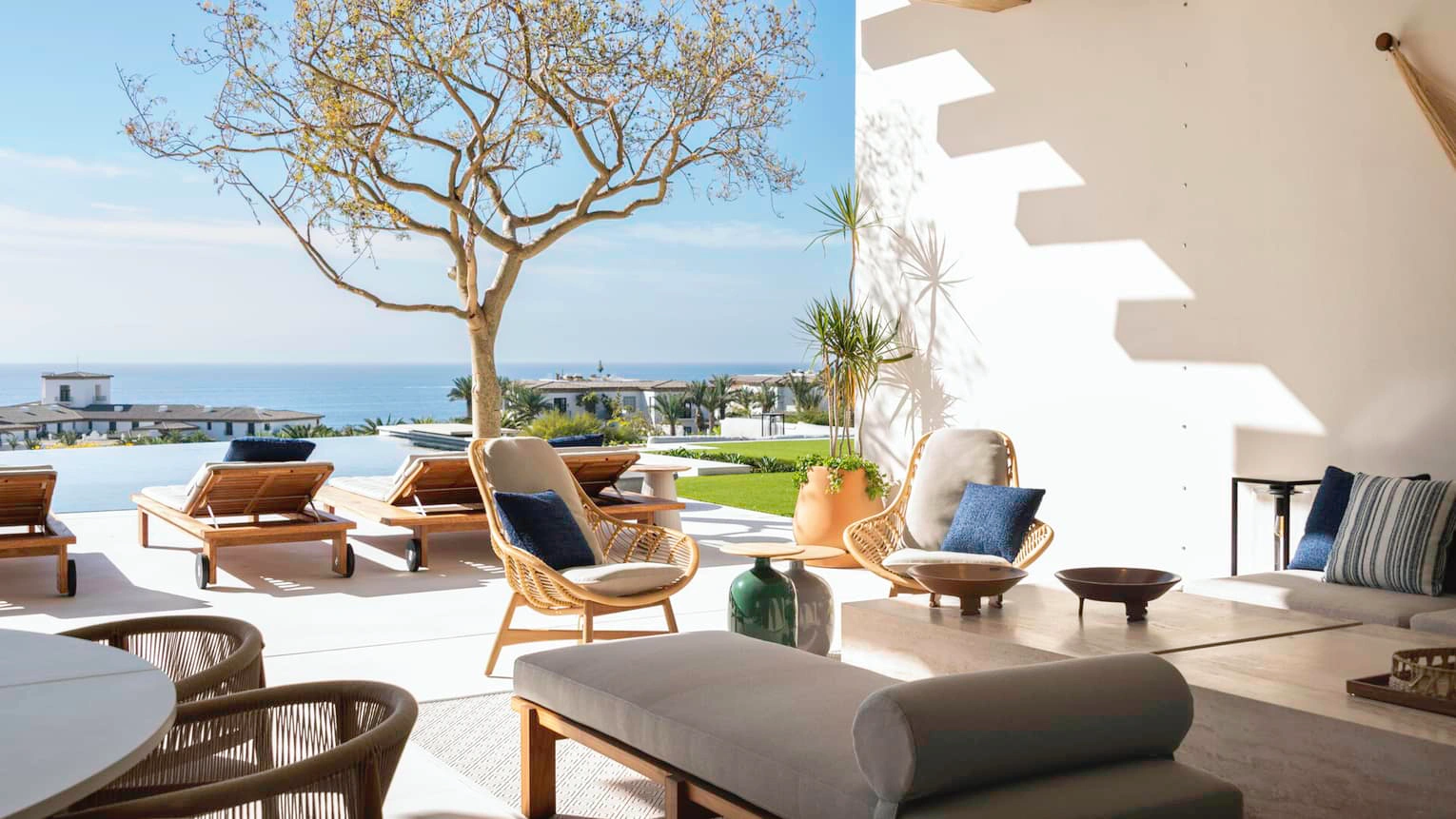
The future of coastal design will place even greater emphasis on sustainability, simplicity, and emotional wellbeing.
Designers are increasingly blending traditional Mediterranean principles with modern technologies and refined minimalist aesthetics.
As a result, coastal architecture is evolving into a more balanced, conscious, and human-centered way of living.
Conclusion
Contemporary coastal design represents a renewed Mediterranean vision of how architecture interacts with nature and lifestyle.
It brings together landscape, built form, and everyday living into a seamless and unified experience.
Ultimately, this approach continues to shape global design trends and redefine the way people experience life by the sea.