

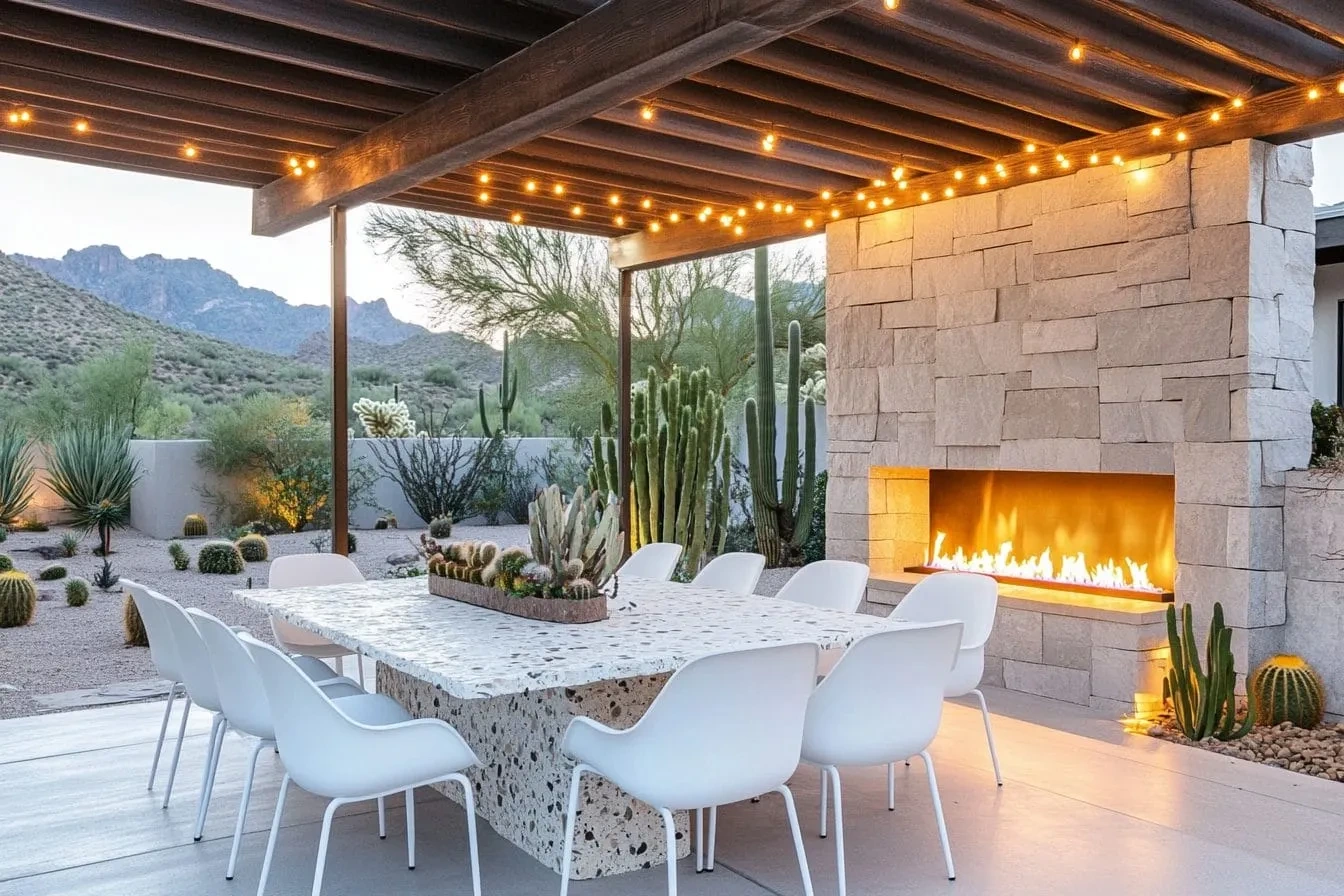
Alfresco dining has become a defining feature of high-end residential and hospitality projects. For outdoor designers and architects, creating refined open-air dining environments requires more than selecting tables and chairs—it involves curating complete spatial experiences.
At the center of this evolution is luxury furniture, which must combine durability, comfort, and aesthetic sophistication. Outdoor dining areas are now designed as seamless extensions of interior spaces, where materials, proportions, and detailing reflect the same level of design rigor found indoors.
Core Elements of Luxury Alfresco Dining Spaces
Designing successful alfresco environments requires careful attention to key elements:
- High-performance materials resistant to weather and UV exposure
- Ergonomic seating ensuring long-term comfort
- Cohesive design language aligning with architecture
- Flexible layouts accommodating various dining scenarios
- Integrated lighting and accessories enhancing ambiance
These components form the foundation of outdoor dining spaces that balance functionality with refined aesthetics, meeting the expectations of luxury clients and hospitality environments.
Dining Tables as Architectural Anchors
In alfresco settings, dining tables often function as the central architectural element. Their scale, materiality, and placement define the spatial hierarchy of the outdoor environment.
Luxury furniture designers increasingly treat tables as sculptural objects, using materials such as natural stone, teak, and powder-coated aluminum. These materials not only ensure durability but also contribute to the visual identity of the space. For architects, selecting the right table means considering proportion, circulation, and how the piece interacts with surrounding landscape and built elements.
Premium Table Materials and Finishes
When specifying dining tables for outdoor environments, designers often prioritize:
- Teak and hardwoods for their natural resistance and warmth
- Ceramic and sintered stone surfaces for durability and elegance
- Powder-coated aluminum frames for lightweight strength
- Concrete or composite materials for sculptural presence
- Weather-resistant finishes ensuring long-term performance
These materials allow luxury furniture to maintain both aesthetic integrity and structural resilience in outdoor conditions.
Seating Design: Comfort Meets Craftsmanship
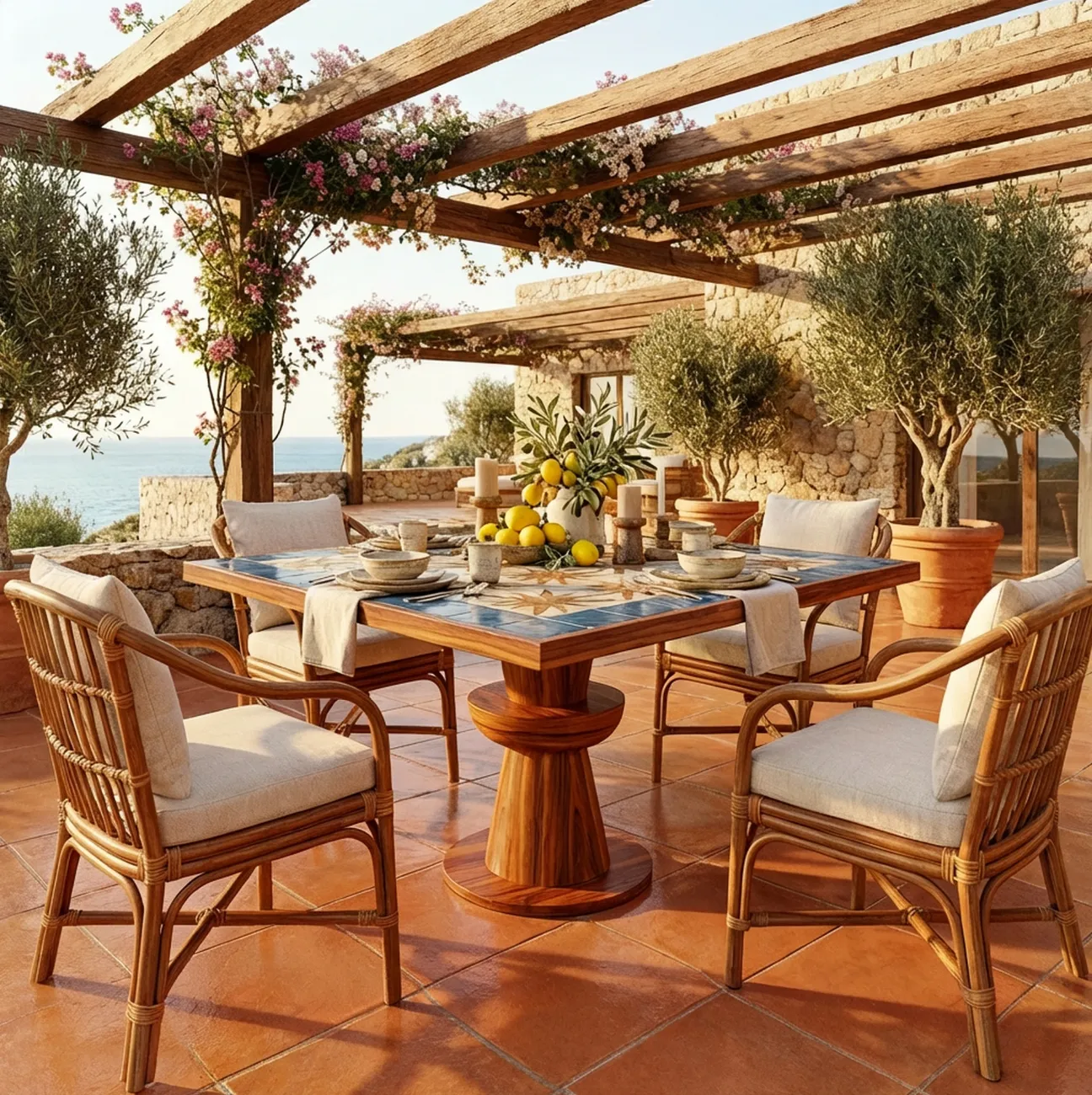
Seating is one of the most critical aspects of alfresco dining. Beyond visual appeal, chairs and benches must provide ergonomic support for extended use.
Luxury outdoor seating often incorporates advanced materials such as performance fabrics, woven fibers, and precision-engineered frames. Designers carefully consider proportions, back support, and seat depth to ensure comfort without compromising style. The result is seating that feels as refined as indoor furniture while meeting the demands of outdoor environments.
Key Features of High-End Outdoor Seating
Luxury outdoor seating typically includes:
- Ergonomic design supporting posture and comfort
- Quick-dry cushions with weather-resistant fabrics
- Handwoven or engineered materials adding texture
- Stackable or modular configurations for flexibility
- Lightweight yet durable frames for ease of use
These features enhance usability while maintaining the elegance expected in premium outdoor dining spaces.
The Role of Outdoor Lighting in Dining Atmosphere
Lighting plays a transformative role in alfresco dining, shaping the ambiance and functionality of the space. Designers use layered lighting strategies to create environments that transition seamlessly from day to night.
Pendant lights, integrated LED systems, and portable lanterns are commonly used to define dining zones and enhance visual comfort. In luxury settings, lighting is often treated as a design feature in itself, with fixtures selected to complement furniture and architectural elements while providing a warm, inviting glow.
Essential Lighting Strategies for Alfresco Spaces
Effective outdoor dining lighting often includes:
- Ambient lighting for overall illumination
- Task lighting focused on dining surfaces
- Accent lighting highlighting architectural or landscape features
- Portable lighting solutions for flexibility
- Energy-efficient LED systems for sustainability
These strategies help create layered environments that enhance both aesthetics and usability.
Shade Structures and Spatial Comfort
Providing shade is essential in alfresco dining environments, particularly in warmer climates. Shade structures not only improve comfort but also contribute to the architectural identity of the space.
Pergolas, umbrellas, and tensile structures are commonly used to define dining areas while offering protection from sun and light rain. In luxury projects, these elements are carefully integrated with furniture and landscape design, ensuring a cohesive visual language that enhances the overall outdoor experience.
Popular Shade Solutions in Luxury Outdoor Design
Designers frequently incorporate:
- Architectural pergolas with integrated lighting
- High-end parasols with adjustable mechanisms
- Retractable canopies for flexible coverage
- Natural shading through trees and vegetation
- Custom-built structures tailored to specific projects
These solutions allow designers to balance comfort, aesthetics, and functionality.
Materials and Textiles in Outdoor Dining
Material selection is fundamental to the success of alfresco dining environments. Luxury furniture relies on advanced textiles and finishes that combine durability with visual refinement.
Performance fabrics resist fading, moisture, and wear, while maintaining a soft, tactile quality. Similarly, outdoor rugs and upholstery introduce texture and color, enhancing the sensory experience. For designers, the challenge lies in selecting materials that complement the architectural context while ensuring long-term performance.
Textile and Material Innovations to Consider
Key innovations in outdoor materials include:
- Solution-dyed acrylic fabrics resistant to UV damage
- Quick-dry foam technologies for cushions
- Weatherproof coatings protecting surfaces
- Recycled and sustainable materials supporting eco-conscious design
- Textured weaves adding depth and visual interest
These advancements enable designers to create outdoor spaces that are both luxurious and resilient.
Outdoor Dining Layouts and Spatial Planning
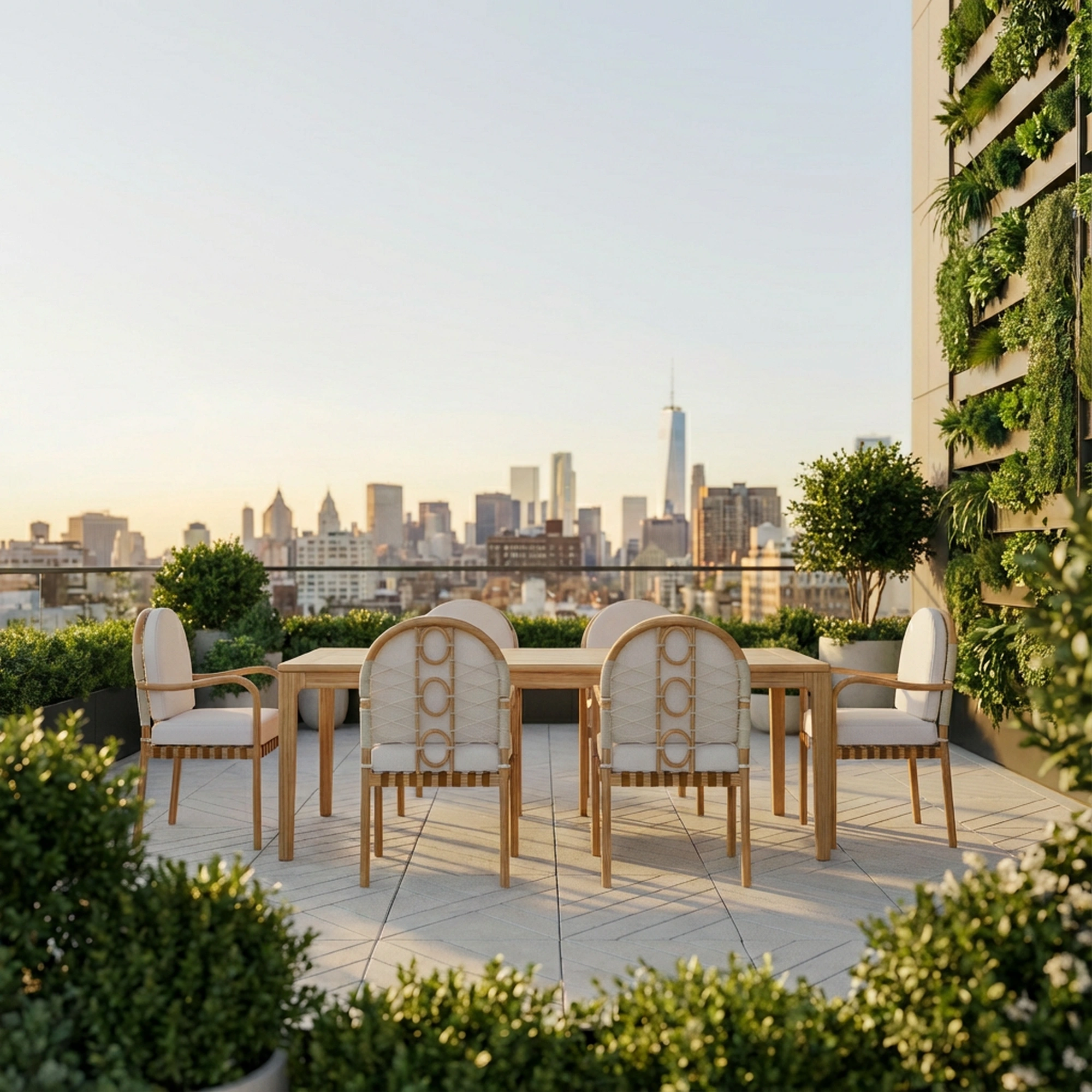
Effective alfresco dining design depends on thoughtful spatial planning. Layouts must accommodate circulation, seating capacity, and visual balance while maintaining a sense of openness.
Designers often create distinct zones for dining, lounging, and service, ensuring that each area functions efficiently. The arrangement of luxury furniture plays a key role in defining these zones, guiding movement and interaction. By carefully considering scale and proportion, architects can create outdoor dining spaces that feel both intimate and expansive.
Layout Strategies for Luxury Outdoor Dining
Common planning approaches include:
- Centralized dining areas anchored by a statement table
- Peripheral seating zones for pre- or post-dining relaxation
- Clear circulation paths enhancing accessibility
- Integration with landscape features such as gardens or water elements
- Flexible configurations adapting to different occasions
These strategies help create dynamic and functional outdoor environments.
The Influence of Hospitality Design
Luxury residential outdoor dining spaces are increasingly influenced by hospitality design. High-end hotels and restaurants set the standard for comfort, service, and visual appeal, inspiring residential projects.
Designers often draw from these environments when selecting furniture, materials, and layouts. The goal is to recreate the experience of dining in a luxury resort within a private setting. This trend has elevated expectations for outdoor design, pushing architects and designers to create more sophisticated and immersive alfresco spaces.
Defining Features of Hospitality-Inspired Outdoor Dining
Key elements borrowed from hospitality design include:
- Layered seating arrangements for different group sizes
- High-quality table settings and accessories
- Integrated service areas for efficiency
- Attention to detail in materials and finishes
- Emphasis on ambiance and user experience
These features contribute to creating memorable outdoor dining environments.
Sustainability in Luxury Outdoor Furniture
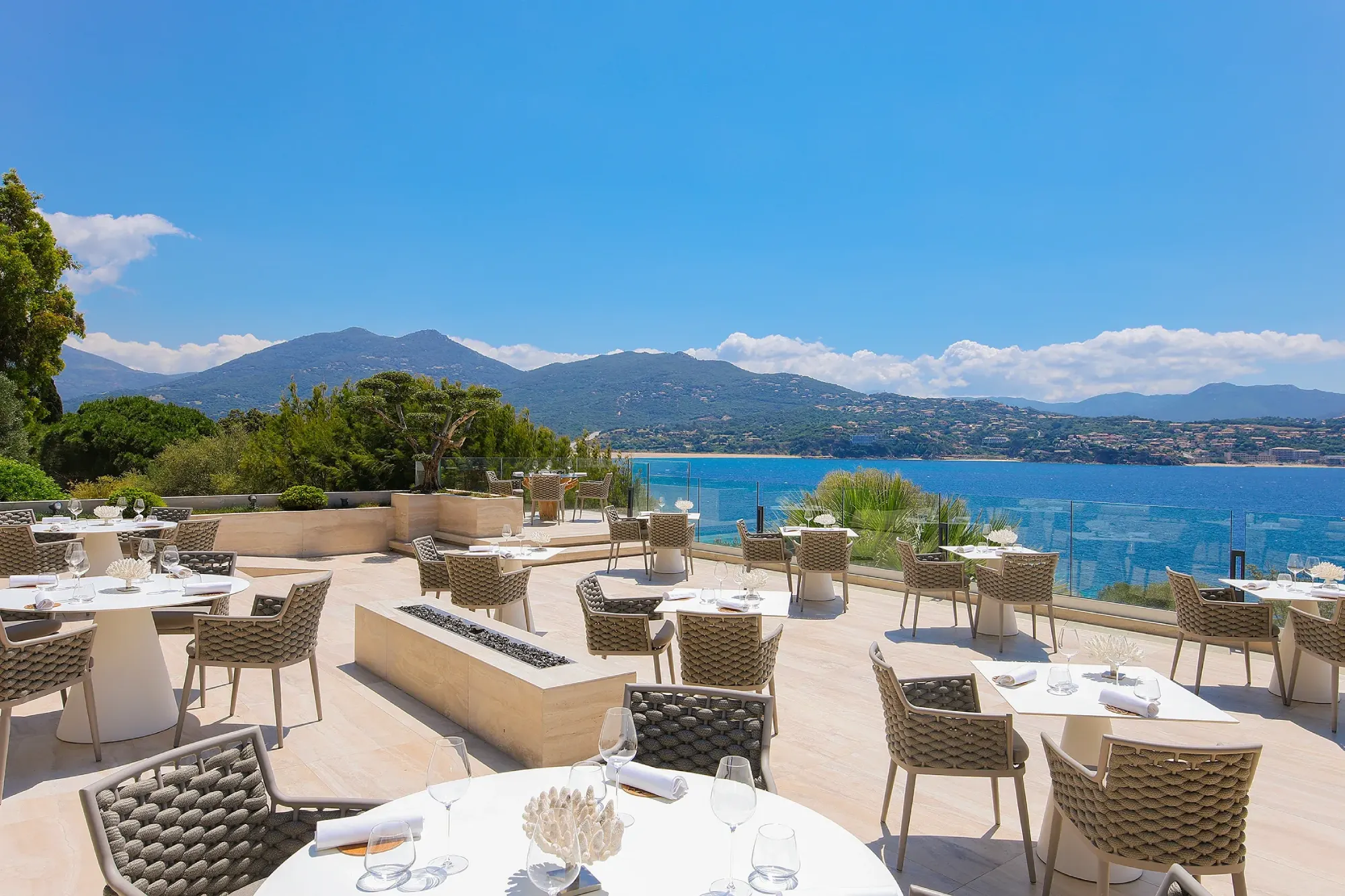
Sustainability is becoming an essential consideration in the selection of luxury furniture. Designers are increasingly seeking materials and manufacturing processes that minimize environmental impact without compromising quality.
Responsibly sourced wood, recyclable metals, and eco-friendly textiles are now widely available in the luxury market. By prioritizing sustainability, designers can create outdoor dining spaces that align with contemporary values while maintaining a high level of craftsmanship and durability.
The Future of Alfresco Dining Design
As outdoor living continues to evolve, alfresco dining will remain a central focus for designers and architects. Advances in materials, technology, and furniture design will further enhance the possibilities for creating sophisticated outdoor environments.
For professionals, the challenge lies in balancing innovation with timeless design principles. By carefully selecting luxury furniture and integrating it with architecture and landscape, designers can create outdoor dining spaces that offer both beauty and functionality.
Ultimately, alfresco dining is no longer a trend—it is a fundamental aspect of modern luxury living.