
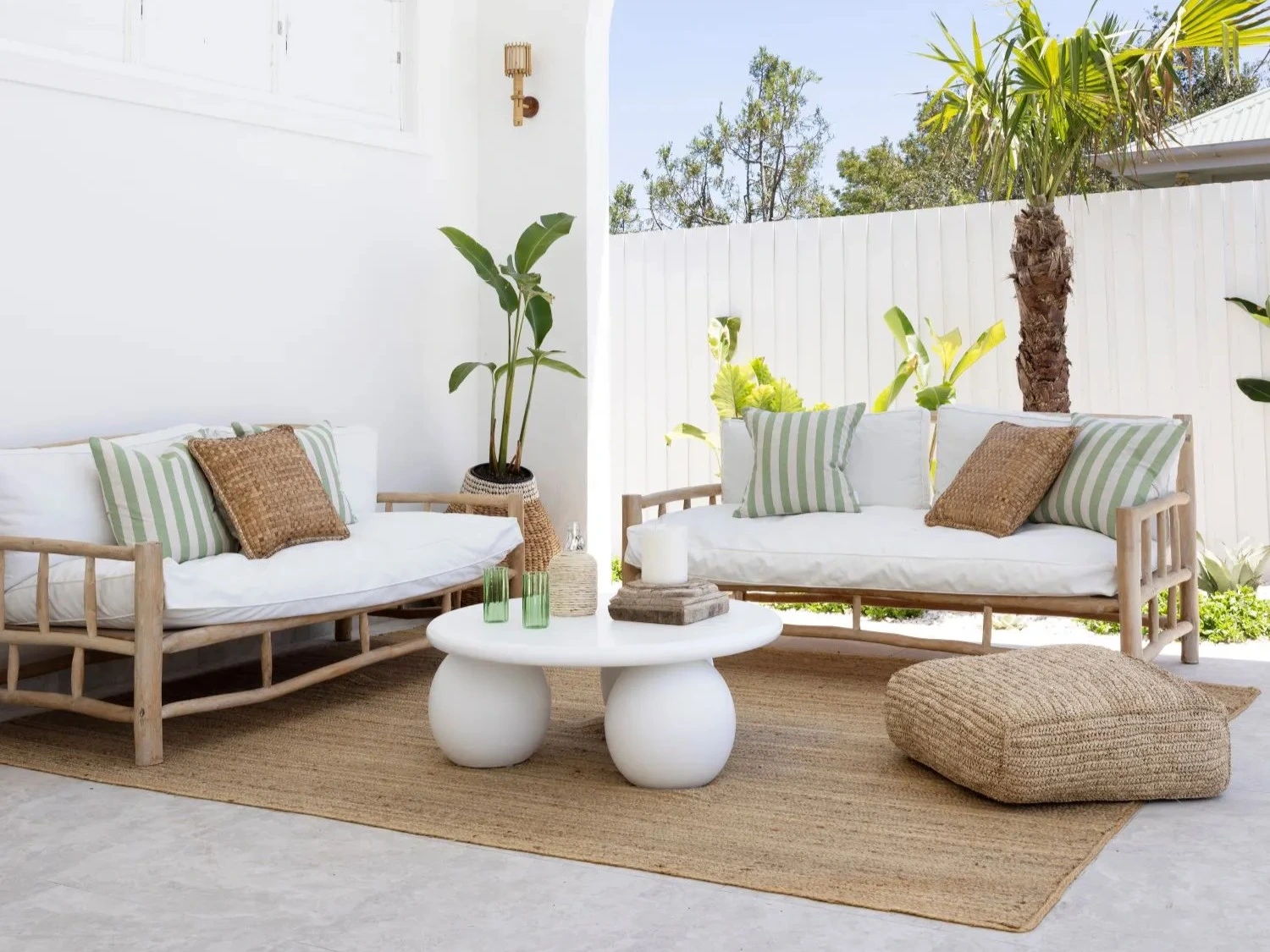
Contemporary Living in the Mediterranean region is defined by a unique relationship between light, nature, and heritage. Today, this lifestyle is more than a trend; it represents a cultural legacy that requires careful preservation. As global architecture influences local landscapes, maintaining the “soul” of Mediterranean design has become a legal and creative challenge.
As a result, protecting the specific elements of Contemporary Living ensures that tradition survives in a modern world. We must view Mediterranean motifs and architectural structures as intellectual assets. By safeguarding these traditions, we prevent the loss of identity in an era of mass-produced aesthetics.
The Mediterranean Philosophy as a Legal Asset
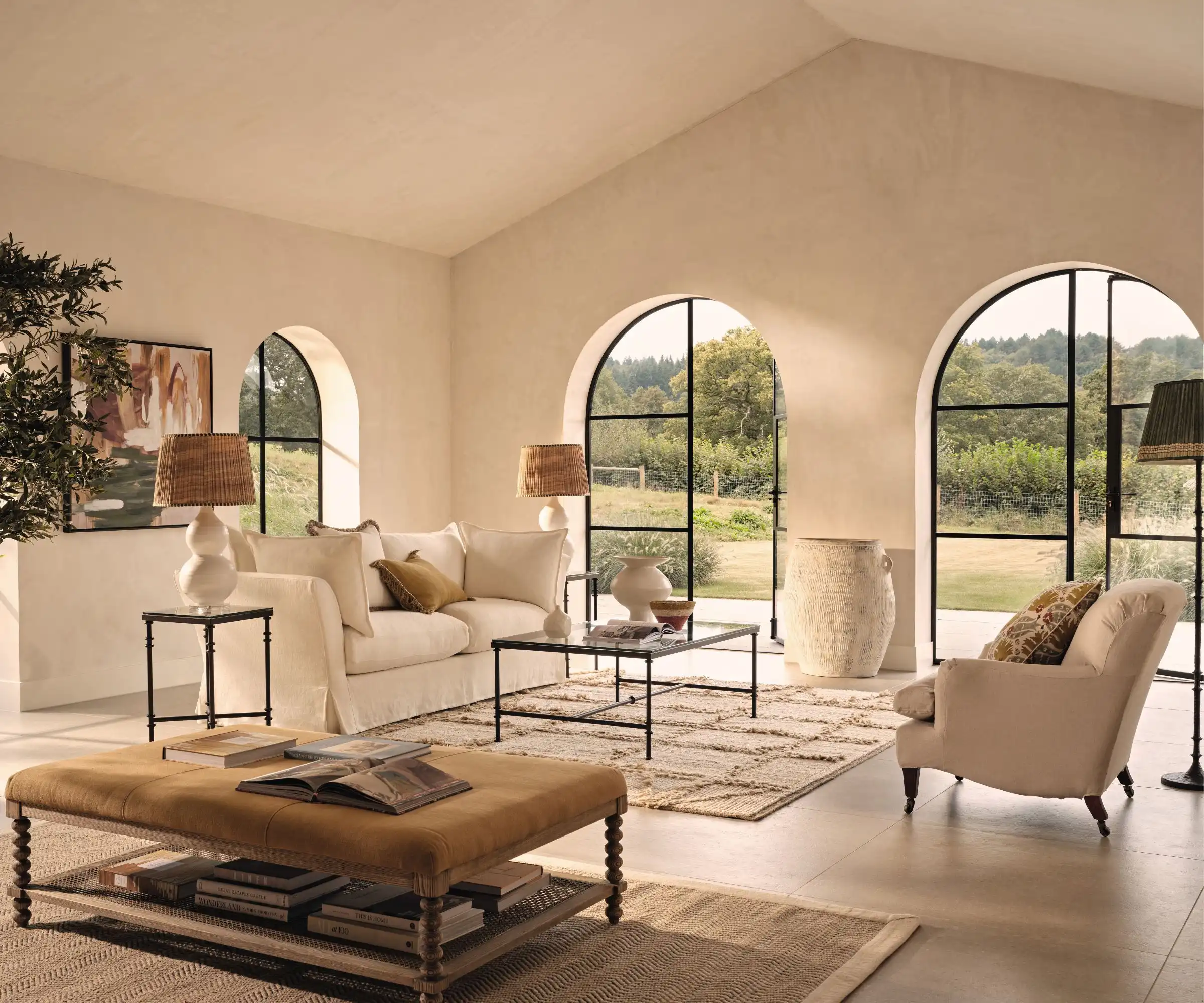
The Mediterranean design philosophy is built on the balance between nature and structure.
In luxury real estate, this “Identity” is exactly what creates property value and market demand. Consequently, designers must treat their reinterpretation of traditional courtyards and terraces as unique intellectual property. This protection ensures that the Mediterranean vision remains exclusive and culturally relevant.
Authenticity Beyond the Surface
Contemporary Living requires more than just mimicking a color palette or using local stone.
It involves the ethical use of traditional craftsmanship passed down through generations. When a designer integrates these ancestral methods into a modern villa, they create a bridge between history and innovation. Therefore, legal protection must cover the technical “savoir-faire” that defines authentic Mediterranean luxury.
Safeguarding Identity in Design Fairs
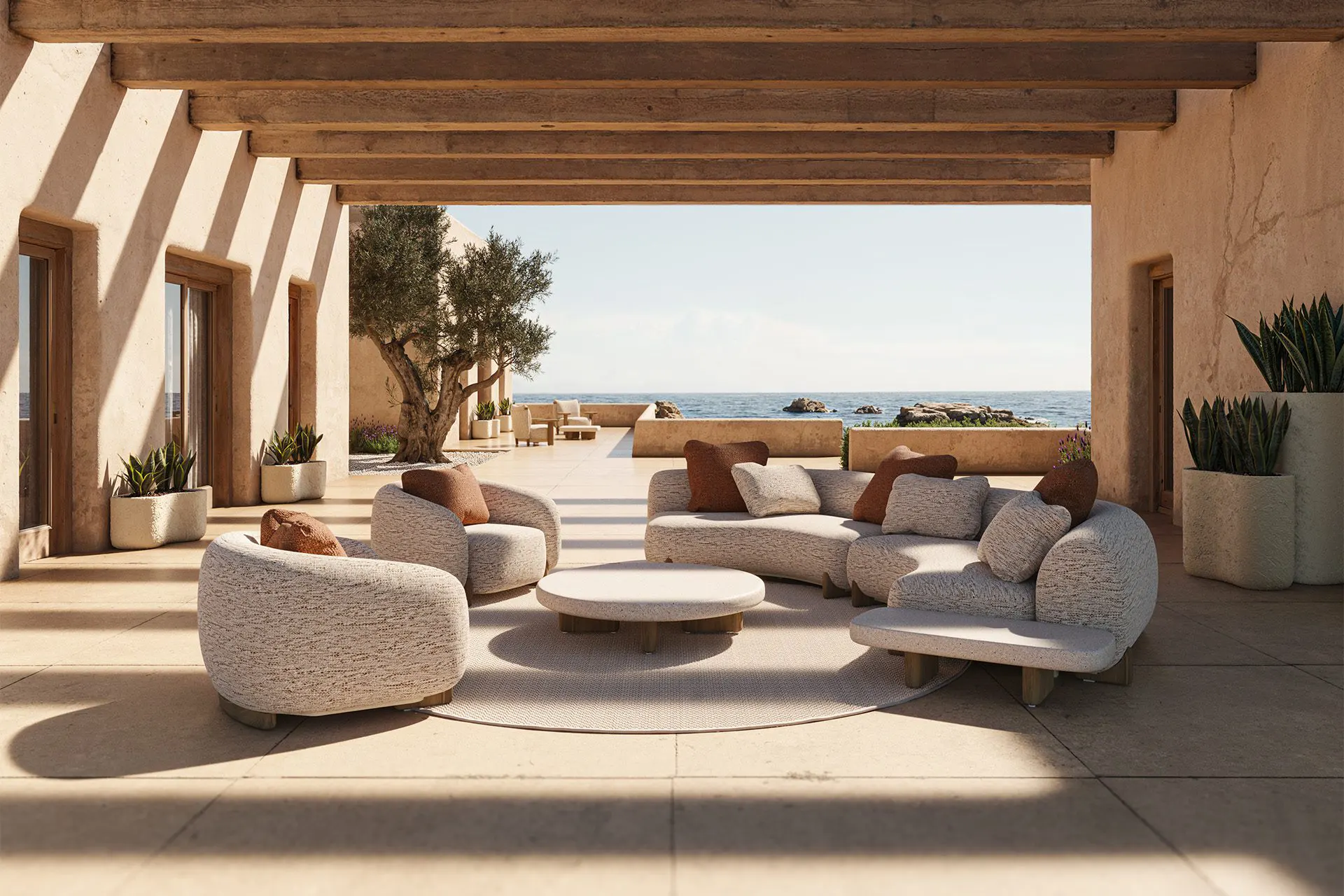
Global design fairs frequently showcase the Mediterranean influence as a peak of outdoor elegance.
However, high visibility often leads to the rapid imitation of iconic regional styles by international brands. Protecting the authorship of these designs is vital for the local economy and the artisan’s legacy. Furthermore, strong copyright strategies empower designers to showcase their work without the fear of cultural dilution.
The Role of Light and Nature in Intellectual Property
In the Mediterranean, architecture is designed to capture light and frame the natural landscape.
These specific structural innovations are often the result of complex creative research. In the context of Contemporary Living, the way a building interacts with its environment can be seen as a signature style. Consequently, securing the rights to these architectural solutions adds a layer of prestige to the project.
Real Estate Value and Cultural Heritage
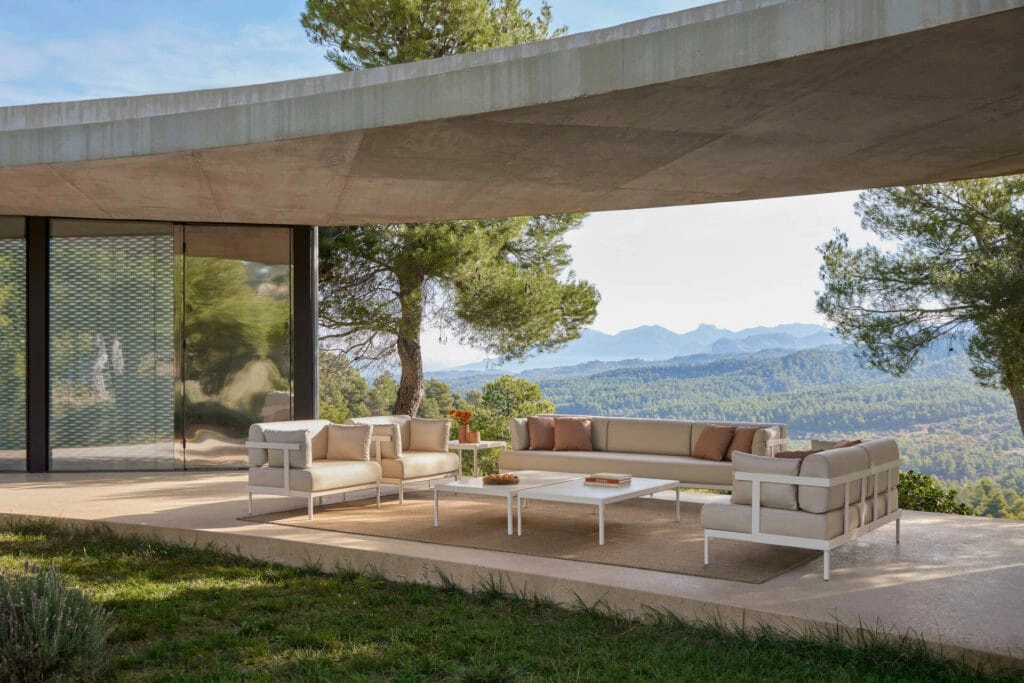
Modern property design is increasingly influenced by the “Slow Living” movement and authentic craft.
Investors are no longer looking for generic luxury; they want homes with depth and a clear cultural narrative. By protecting the original design of these seaside residences, we guarantee their long-term financial and historical value. Moreover, this approach discourages “fast architecture” that ignores local roots.
Conclusion: Preserving the Mediterranean Future
The future of Contemporary Living depends on our ability to protect our creative and cultural heritage.
It is a commitment to respecting the past while embracing the innovation of the present. By treating Mediterranean identity as a protected asset, we ensure that its beauty remains untainted by imitation. Ultimately, safeguarding these traditions is the only way to keep the Mediterranean spirit alive for future generations.