

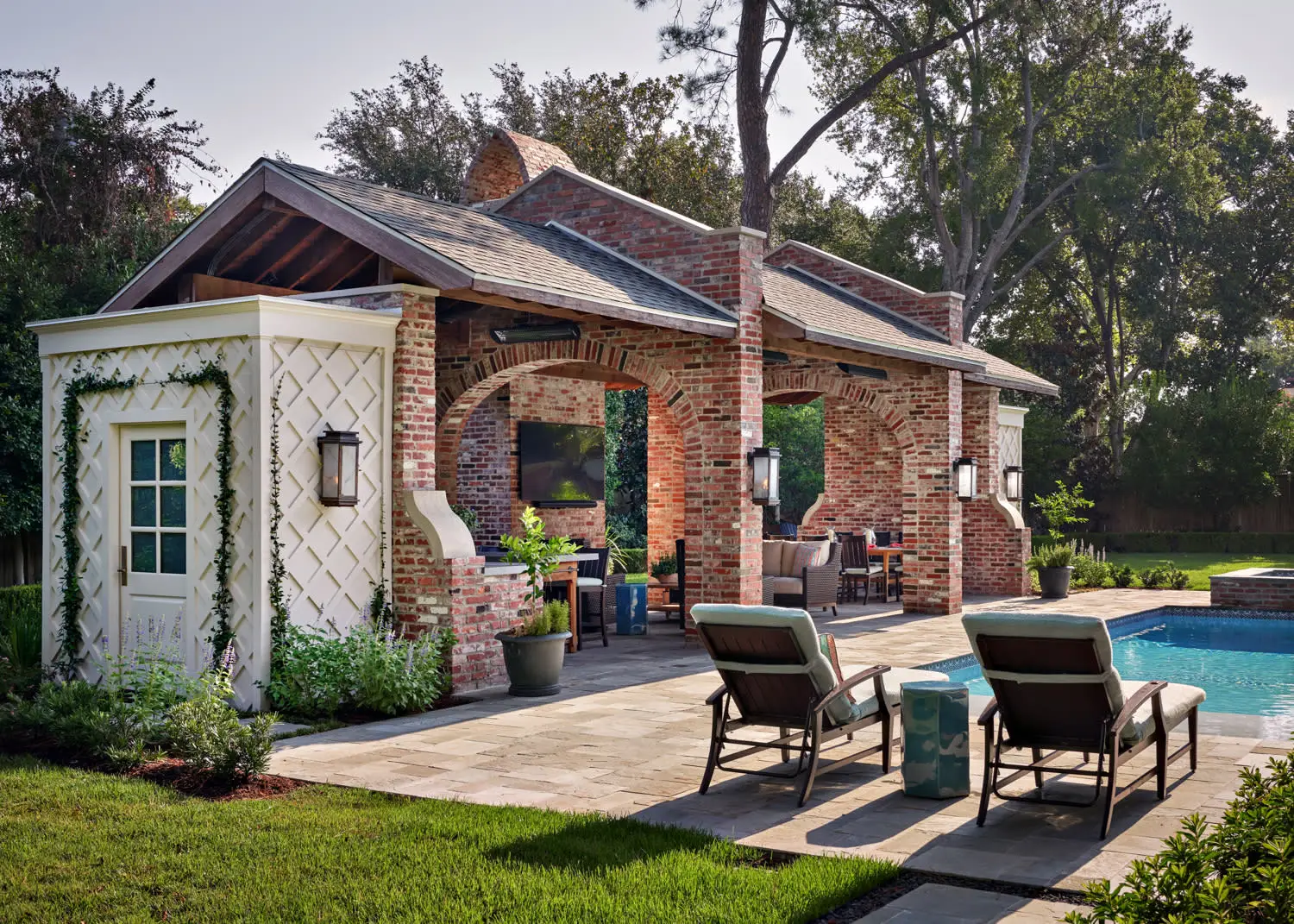
The concept of outdoor luxury living has evolved beyond seasonal use into a full-day, year-round lifestyle. Today’s outdoor environments are designed to accommodate morning routines, afternoon leisure, and evening entertainment with equal sophistication.
For architects and outdoor designers, this shift requires a holistic approach that integrates comfort, functionality, and aesthetics. Outdoor spaces must now perform like interior environments, offering versatility without compromising design integrity. This evolution reflects changing client expectations, where outdoor areas are essential extensions of modern luxury residences.
Core Elements of All-Day Outdoor Design
Designing for all-day outdoor use involves several key components:
- Zoning of spaces for different activities throughout the day
- Climate-responsive features ensuring comfort in varying conditions
- High-performance materials for durability and aesthetics
- Layered lighting systems supporting day-to-night transitions
- Integrated technology enhancing usability and control
These elements allow designers to create outdoor environments that adapt seamlessly to changing needs and times of day.
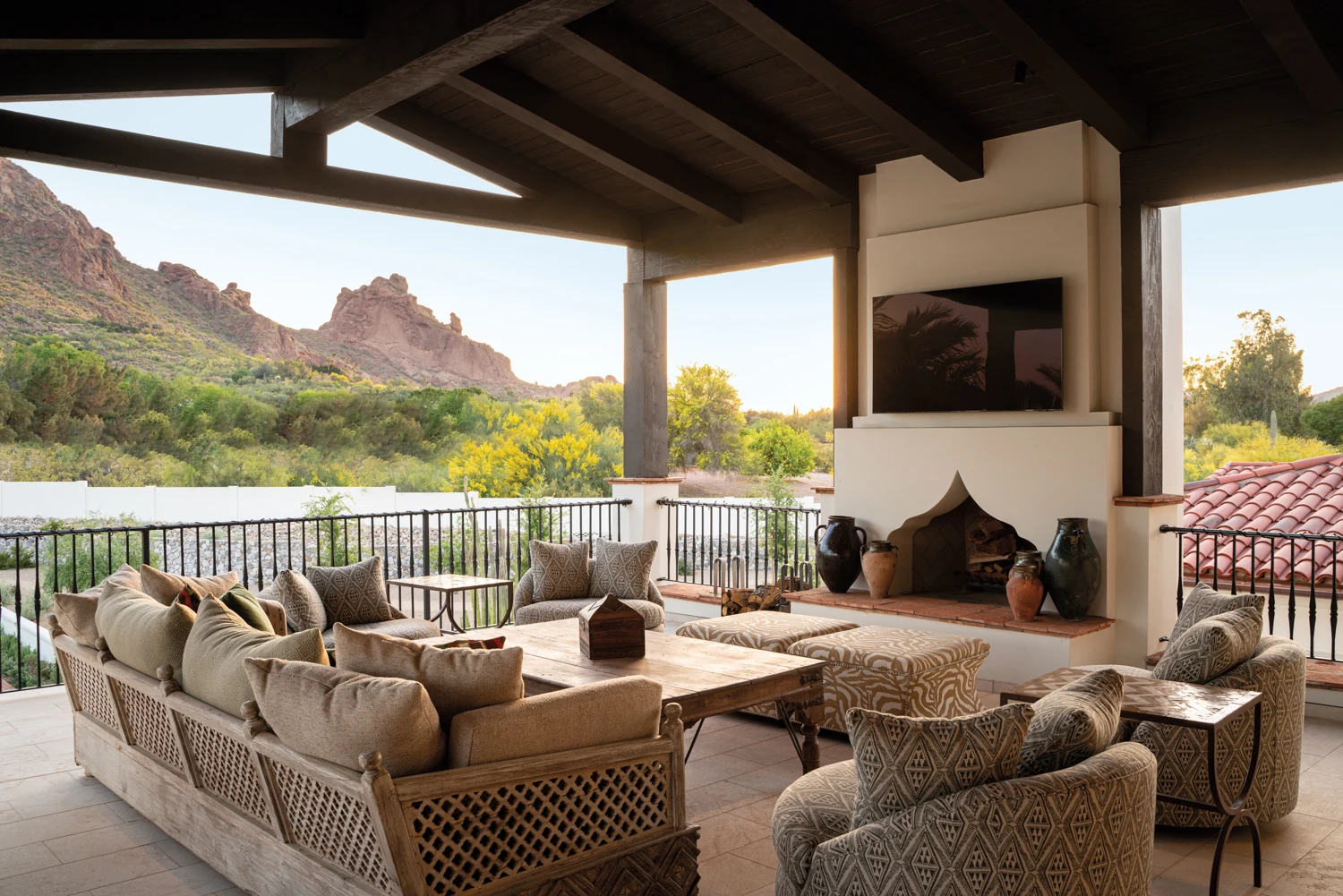
Morning Spaces: Wellness and Tranquility
Morning outdoor environments should prioritize calmness and connection with nature. Spaces designed for early-day use often include terraces, gardens, or patios that capture soft natural light and promote relaxation.
Designers focus on creating areas for activities such as yoga, meditation, or casual breakfast. The use of natural materials, subtle textures, and minimal visual clutter enhances the sense of tranquility. By aligning orientation with sunrise and incorporating greenery, architects can create outdoor spaces that support wellness and a positive start to the day.
Design Features for Morning Outdoor Use
Key elements that enhance morning environments include:
East-facing terraces capturing early sunlight
Comfortable lounge seating for relaxation
Natural materials promoting a calming atmosphere
Integrated greenery enhancing connection to nature
Minimalist design reducing visual distraction
These features help establish outdoor spaces as essential components of daily wellness routines.
Midday Functionality and Social Interaction
As the day progresses, outdoor spaces must transition into areas that support social interaction and functional activities. Dining areas, poolside lounges, and shaded seating zones become central during midday hours.
Designers must consider heat, sun exposure, and circulation to ensure comfort. Shade structures, such as pergolas or umbrellas, play a crucial role in maintaining usability. By creating flexible layouts, outdoor environments can accommodate both intimate gatherings and larger social events, reinforcing the versatility of outdoor luxury living.
Essential Midday Design Strategies
To optimize midday use, designers often incorporate:
- Shaded dining areas for comfort during peak sun
- Flexible seating arrangements for social gatherings
- Proximity to indoor kitchens for convenience
- Durable materials resistant to heat and wear
- Open layouts supporting movement and interaction
These strategies ensure outdoor spaces remain functional and inviting throughout the day.
Evening Ambiance and Entertainment
Evening transforms outdoor environments into spaces for relaxation and entertainment. Lighting, fire features, and comfortable seating become essential in creating a welcoming atmosphere.
Designers use layered lighting to define zones and highlight architectural or landscape features. Fire pits, outdoor kitchens, and entertainment systems enhance usability, allowing spaces to support dining, socializing, and leisure activities. The goal is to create an environment that feels intimate and refined, encouraging extended use well into the night.
Key Features for Evening Outdoor Living
Important elements for evening design include:
- Ambient and accent lighting creating mood and visibility
- Fire features adding warmth and visual interest
- Outdoor kitchens and bars supporting entertainment
- Comfortable seating areas for relaxation
- Integrated audio systems enhancing experience
These features help transform outdoor spaces into vibrant evening destinations.
Material Selection for All-Day Performance
Material selection is critical in designing spaces for all-day outdoor luxury living. Materials must withstand varying weather conditions while maintaining their aesthetic appeal.
Natural stone, treated wood, and advanced composites are commonly used for their durability and visual quality. Designers must balance texture, color, and performance to create cohesive environments. By selecting materials that age gracefully, outdoor spaces can maintain their elegance over time while supporting continuous use throughout the day.
High-Performance Materials in Outdoor Design
Common materials include:
- Stone and porcelain for flooring and surfaces
- Teak and hardwoods for furniture and decking
- Aluminum and stainless steel for structural elements
- Weather-resistant fabrics for upholstery
- Composite materials combining durability and design
These materials ensure longevity and consistency in outdoor environments.
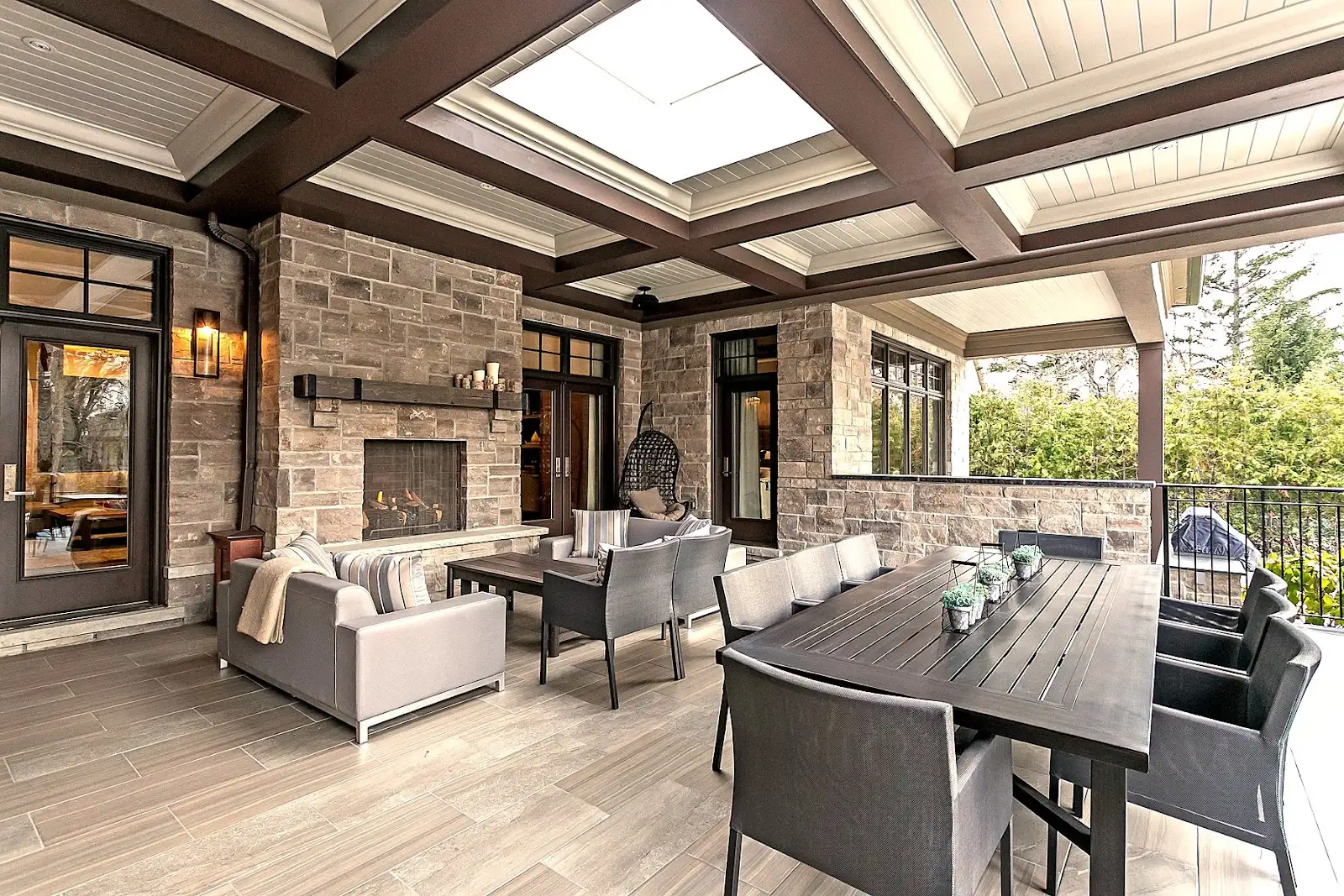
Furniture as the Foundation of Outdoor Living
Furniture plays a central role in defining how outdoor spaces are used throughout the day. In outdoor luxury living, furniture must offer both comfort and adaptability.
Modular seating systems allow for flexible configurations, while dining sets and lounge pieces define specific zones. Designers often select furniture that mirrors interior styles, creating visual continuity. The integration of high-quality materials and craftsmanship ensures that furniture contributes to both the functionality and aesthetic of the space.
Characteristics of Luxury Outdoor Furniture
Key features of high-end outdoor furniture include:
- Ergonomic design ensuring comfort
- Weather-resistant construction for durability
- Modular configurations for flexibility
- Neutral palettes supporting design cohesion
- Premium craftsmanship enhancing quality
These characteristics help create outdoor spaces that feel as refined as interior environments.
Technology Integration for Continuous Use
Technology is increasingly important in supporting all-day outdoor luxury living. Smart systems allow users to control lighting, climate, and entertainment with ease.
Automated shading systems adjust to sunlight, while integrated heating and cooling solutions ensure comfort in different weather conditions. Audio and visual systems enhance entertainment, making outdoor spaces suitable for a wide range of activities. For designers, integrating technology seamlessly into the design is essential to maintain aesthetic integrity while enhancing functionality.
Smart Features Enhancing Outdoor Living
Designers often incorporate:
- Automated lighting systems for day-to-night transitions
- Climate control solutions for year-round comfort
- Integrated audio-visual systems for entertainment
- Smart irrigation systems supporting landscape health
- Remote control interfaces for user convenience
These technologies enhance usability and elevate the outdoor experience.
Landscape Design and Environmental Integration
Landscape design is fundamental in creating cohesive outdoor environments. Planting, pathways, and water features contribute to both aesthetics and functionality.
Designers use landscape elements to define zones, create privacy, and enhance the sensory experience. The integration of native plants and sustainable practices ensures environmental compatibility. By aligning landscape design with architectural elements, outdoor spaces become unified environments that support all-day use.
Landscape Strategies for Luxury Outdoor Living
Effective landscape design often includes:
- Layered planting creating depth and privacy
- Defined pathways guiding movement
- Water features enhancing ambiance
- Use of native plants supporting sustainability
- Integration with architecture ensuring cohesion
These strategies help create outdoor environments that are both functional and visually engaging.
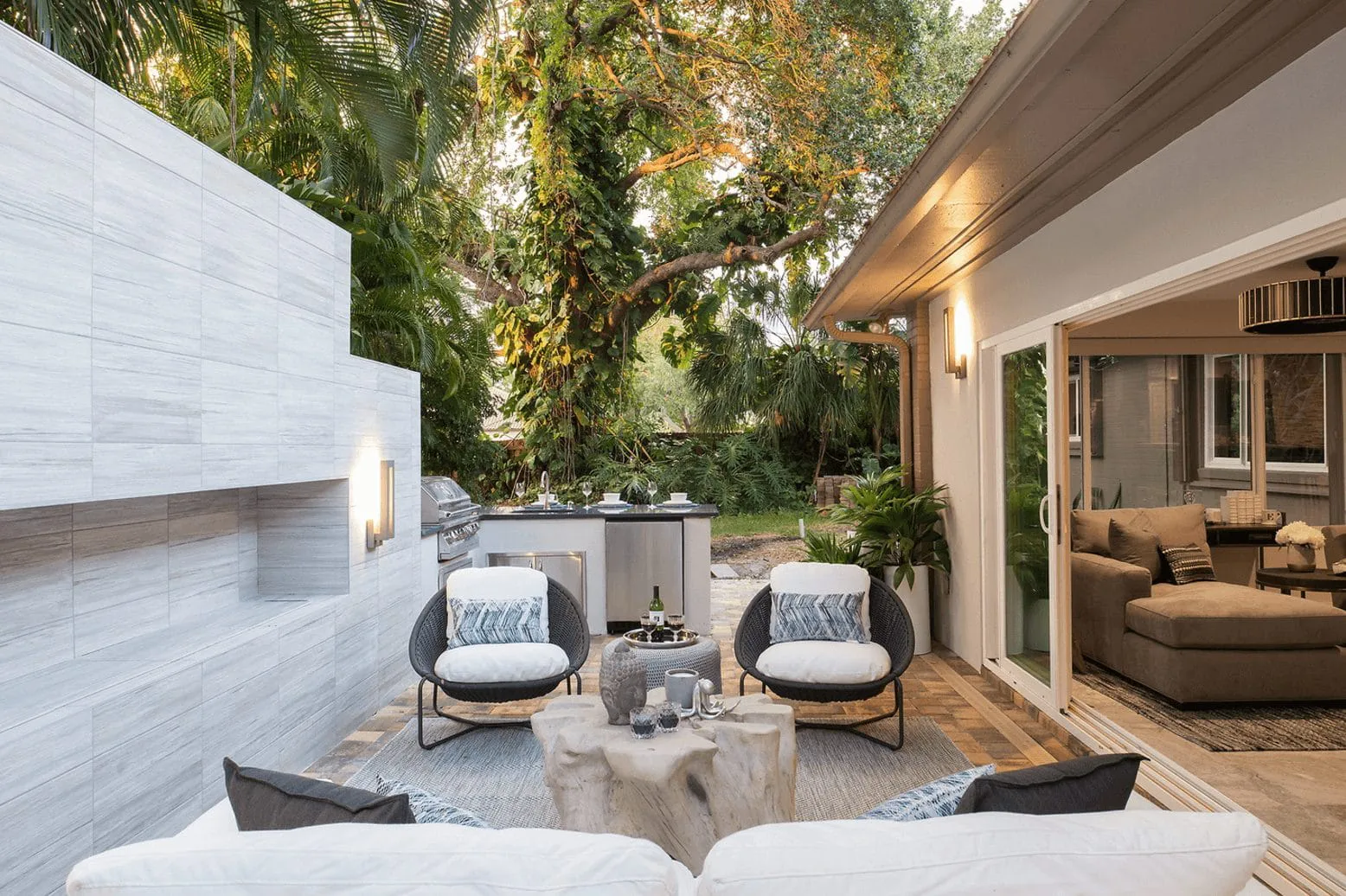
Spatial Planning for Versatility
Successful outdoor luxury living depends on thoughtful spatial planning. Designers must consider how spaces will be used at different times of day and ensure smooth transitions between zones.
Open layouts with defined areas for dining, lounging, and relaxation allow for flexibility. Circulation paths should be intuitive, encouraging movement while maintaining a sense of openness. By carefully planning spatial relationships, designers can create outdoor environments that support a wide range of activities.
Planning Techniques for Multi-Functional Spaces
Common approaches include:
- Zoning based on activity and time of day
- Flexible layouts adapting to different needs
- Clear circulation paths enhancing usability
- Integration with indoor spaces for continuity
- Use of focal points to anchor design
These techniques ensure outdoor spaces remain dynamic and adaptable.
The Future of Outdoor Luxury Living
As lifestyles continue to evolve, outdoor luxury living will become increasingly central to residential design. Advances in materials, technology, and sustainability will further enhance the possibilities for creating versatile outdoor environments.
For architects and outdoor designers, the challenge lies in balancing innovation with timeless design principles. By focusing on comfort, functionality, and aesthetic coherence, professionals can create spaces that support all-day use while maintaining a sense of luxury.
Ultimately, outdoor spaces are no longer secondary—they are essential components of modern living, designed to enrich everyday life.