

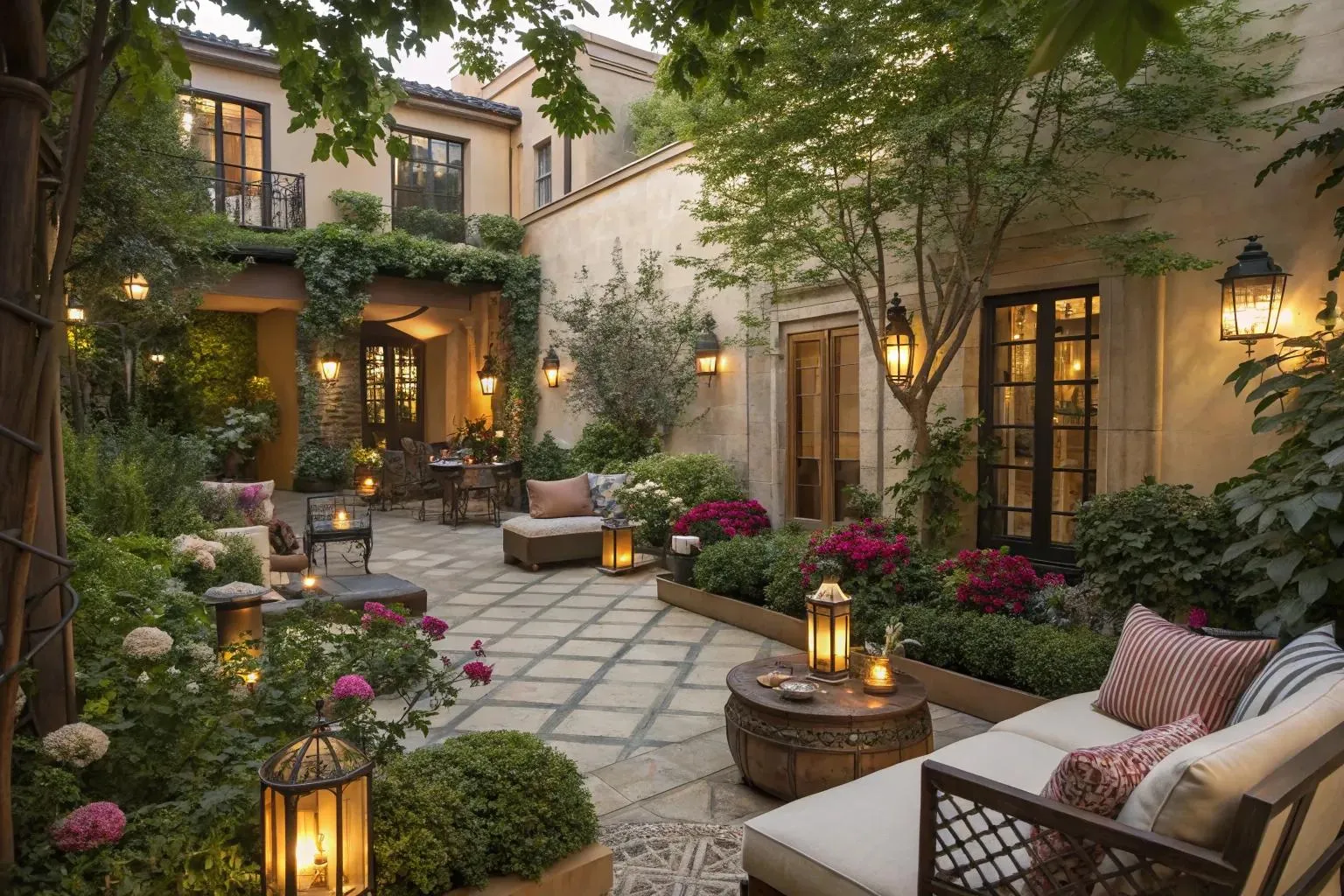
Outdoor living has undergone a remarkable transformation over the centuries. What began as enclosed courtyards designed for privacy and climate control has evolved into expansive terraces that blur the boundaries between architecture and landscape. The concept of Courtyards to Terraces reflects not only a shift in spatial design but also a broader cultural movement toward openness, lifestyle integration, and experiential environments.
For outdoor designers, architects, and luxury furniture brands, this evolution offers a framework for understanding how exterior spaces function today. Modern outdoor living is no longer secondary to interior design. It stands as a central component of high-end residential and hospitality projects.
The Origins of Courtyard Living
Courtyards represent one of the earliest forms of structured outdoor space. Found in ancient civilizations across the Mediterranean, the Middle East, and Asia, these enclosed areas served both practical and social purposes.
Architects designed courtyards to regulate temperature, provide ventilation, and create a private outdoor environment within dense urban settings. Thick walls and inward-facing layouts protected inhabitants from harsh climates while fostering a sense of intimacy.
Materials played a significant role in shaping these spaces. Stone, clay, and natural paving surfaces absorbed heat during the day and released it slowly at night. Water features and vegetation enhanced comfort, creating microclimates that supported daily life.
Courtyards also acted as social hubs. Families gathered, dined, and relaxed within these protected environments. The design emphasized inward focus, where the exterior world remained secondary to the internal experience.
The Transition Toward Open Terraces
As architectural styles evolved, the rigid enclosure of courtyards began to open. The emergence of terraces marked a turning point in outdoor living culture. Instead of turning inward, designers started to engage with the surrounding landscape.
Terraces expanded outward, often elevated to capture views and natural light. This shift reflected changing lifestyles, particularly in regions where climate conditions allowed for extended outdoor use. The emphasis moved from protection to connection.
In coastal and Mediterranean regions, terraces became essential elements of residential design. They provided platforms for social interaction, dining, and relaxation while maintaining a strong relationship with the environment.
This transition also influenced material choices. Lighter finishes, open railings, and seamless flooring systems replaced the heavier, enclosed structures of traditional courtyards. The goal was to create continuity between interior and exterior spaces.
Courtyards to Terraces in Contemporary Architecture
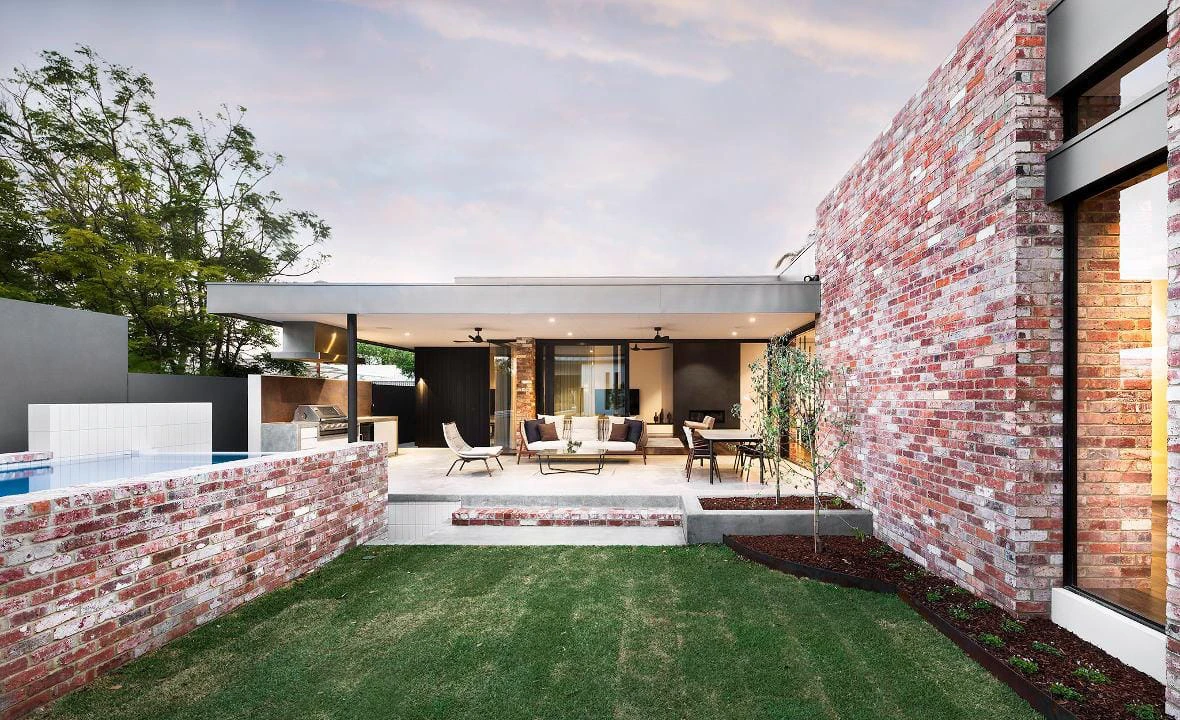
Today, the concept of Courtyards to Terraces continues to shape modern architecture. Designers often integrate both elements within a single project, balancing privacy with openness.
In urban environments, courtyards remain valuable for creating secluded outdoor areas. They offer controlled spaces where designers can manipulate light, vegetation, and spatial proportions. At the same time, terraces extend the living experience outward, connecting occupants with city views or natural landscapes.
Luxury residential projects frequently combine these approaches. A home may feature an internal courtyard that provides a quiet retreat, alongside expansive terraces designed for entertaining. This duality reflects the complexity of contemporary lifestyles.
Architects now treat outdoor spaces as extensions of interior design. Flooring materials flow seamlessly from inside to outside. Large glass openings dissolve physical boundaries, allowing spaces to merge visually and functionally.
The Role of Furniture in Outdoor Living Evolution
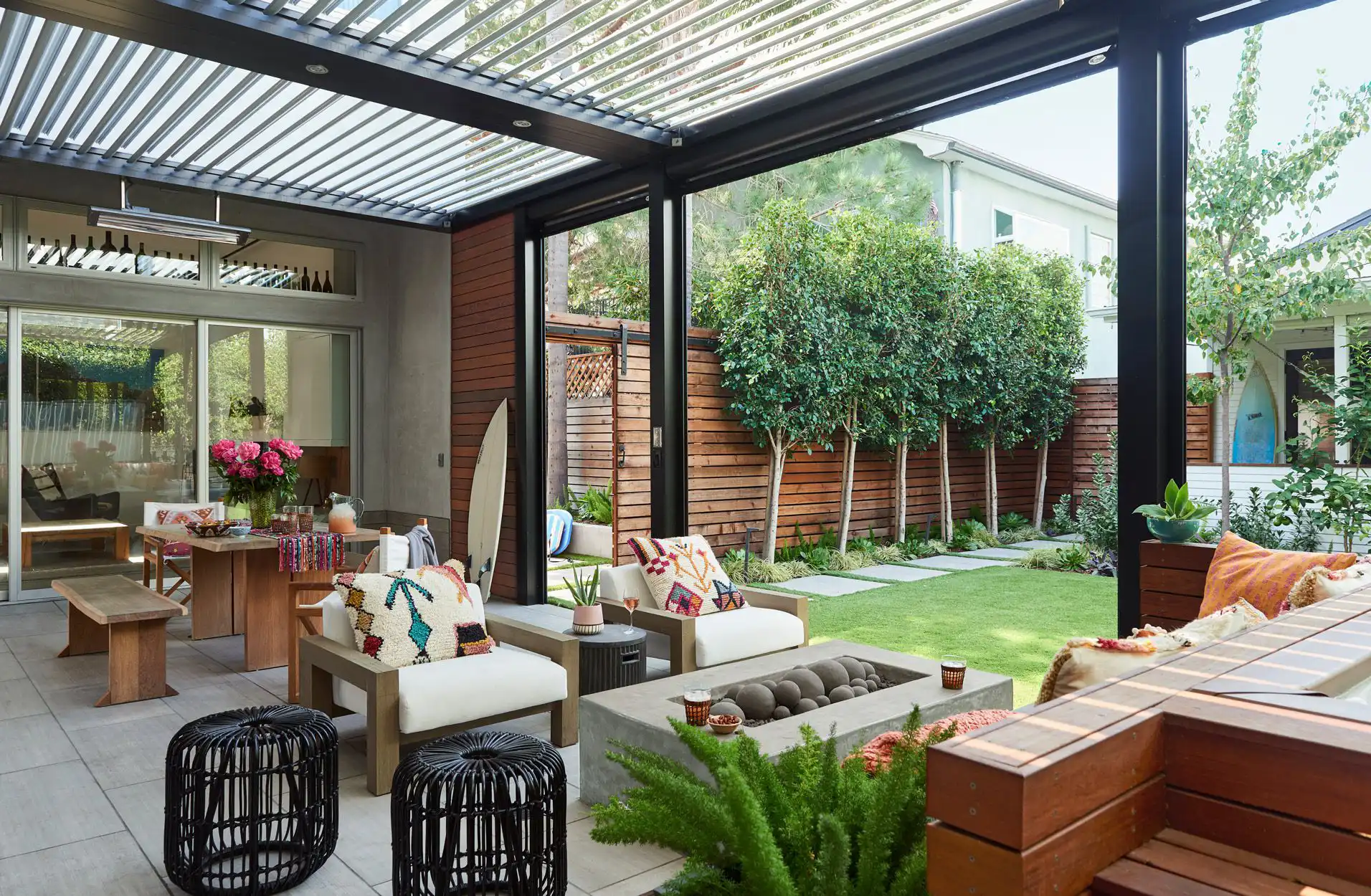
Furniture has played a crucial role in the transition from courtyards to terraces. Early courtyard furnishings were often fixed or minimal, focusing on durability rather than comfort.
Modern outdoor furniture, however, mirrors the sophistication of interior design. Luxury brands develop collections that prioritize ergonomics, material innovation, and aesthetic refinement. Modular seating, sculptural tables, and adaptable layouts define today’s outdoor environments.
Designers now select furniture that enhances the spatial narrative. In courtyards, pieces often emphasize intimacy and enclosure. In terraces, furniture arrangements encourage openness and social interaction.
Material innovation has expanded possibilities. Weather-resistant fabrics, treated woods, and advanced composites allow furniture to maintain quality while withstanding environmental conditions. These developments support the growing demand for year-round outdoor living.
Climate, Culture, and Lifestyle Influences
The evolution from courtyards to terraces reflects broader cultural and environmental factors. Climate remains a primary driver. Regions with mild weather conditions naturally support open terrace living, while areas with extreme climates still rely on courtyard principles for protection.
Cultural preferences also shape design approaches. Mediterranean and Southern European traditions emphasize outdoor dining and social gatherings, making terraces integral to daily life. In contrast, other regions may prioritize more controlled environments.
Lifestyle changes have further accelerated this evolution. Modern homeowners and hospitality clients seek spaces that support relaxation, wellness, and social interaction. Outdoor areas now host activities that once took place indoors, including cooking, working, and entertaining.
High-End Outdoor Living in Hospitality and Residential Projects
Luxury hospitality projects have embraced the Courtyards to Terraces concept as a defining feature. Resorts, boutique hotels, and private villas use outdoor spaces to create immersive guest experiences.
Courtyards often serve as tranquil entry points or private retreats, while terraces provide panoramic views and social environments. Designers use these spaces to establish a sense of place, integrating local materials and cultural references.
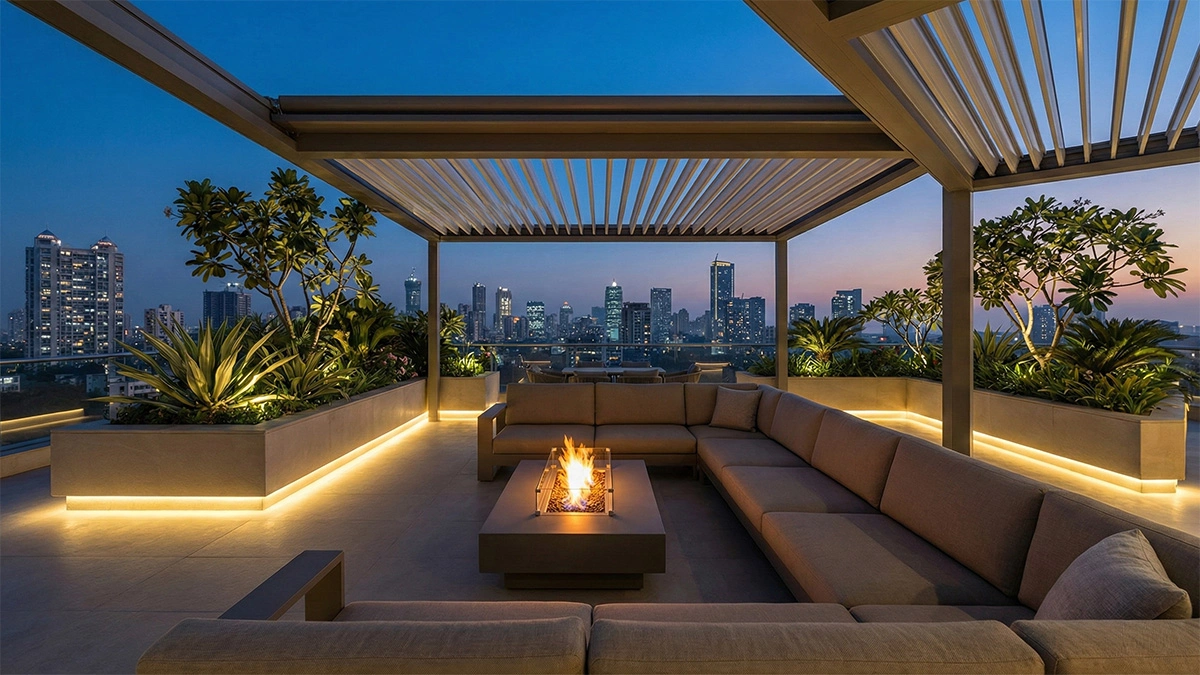
In residential design, terraces have become essential for maximizing property value and lifestyle quality. Rooftop terraces, in particular, offer unique opportunities in urban settings. They transform underutilized areas into functional outdoor environments.
Lighting, landscaping, and water features further enhance these spaces. Designers use these elements to create atmosphere and define zones within larger outdoor areas.
Material and Technological Advancements
Advancements in materials and technology have significantly influenced outdoor living design. High-performance surfaces allow for greater durability without compromising aesthetics.
Porcelain tiles, engineered stone, and treated timber provide options that suit both courtyards and terraces. These materials resist weathering while maintaining visual consistency with interior finishes.
Technology also supports the evolution of outdoor spaces. Integrated lighting systems, climate control solutions, and automated shading enhance usability. These features allow outdoor areas to function comfortably across different seasons and times of day.
The Future of Courtyards to Terraces
The evolution of Courtyards to Terraces continues to progress as designers explore new ways to connect architecture with the environment. Sustainability has become a key consideration, influencing material selection, water management, and energy use.
Green roofs, vertical gardens, and eco-conscious materials are increasingly common in high-end projects. These elements not only enhance aesthetics but also contribute to environmental performance.
Flexibility will define the next phase of outdoor living. Spaces must adapt to changing needs, whether for private relaxation or large-scale entertaining. Designers will continue to blur the lines between interior and exterior, creating environments that feel cohesive and dynamic.
Final Thoughts
The journey from courtyards to terraces illustrates how outdoor living culture has evolved in response to climate, lifestyle, and design innovation. What began as enclosed, protective spaces has transformed into open, expressive environments that celebrate connection and experience.
For outdoor designers, architects, and luxury furniture brands, this evolution offers both inspiration and opportunity. By understanding the principles behind Courtyards to Terraces, professionals can create spaces that reflect contemporary living while honoring the rich history of outdoor design.