Mediterranean life and culture go far beyond geography. Instead, they emerge from history, climate, and community. The Mediterranean represents a way of living shaped by light, material traditions, and strong social connection.
Across coastal cities and rural landscapes, daily life unfolds in harmony with architecture, food, craftsmanship, and outdoor living. As a result, the relationship between environment and culture continues to influence contemporary design, hospitality, and global lifestyle trends.
For designers, architects, and cultural observers, the Mediterranean therefore offers a living framework where tradition and modernity coexist naturally.
The Mediterranean as a Cultural Continuum
Mediterranean culture does not exist as a single identity. Instead, it forms a continuum shaped by centuries of exchange between Europe, North Africa, and the Middle East.
Even though each region differs, shared values still connect these cultures. For example, strong family structures, communal living, respect for craft, and a deep connection to place remain central.
Because of this, Mediterranean life is defined less by aesthetics and more by a collective cultural rhythm that shapes how people build and use spaces.
Architecture as a Reflection of Daily Life
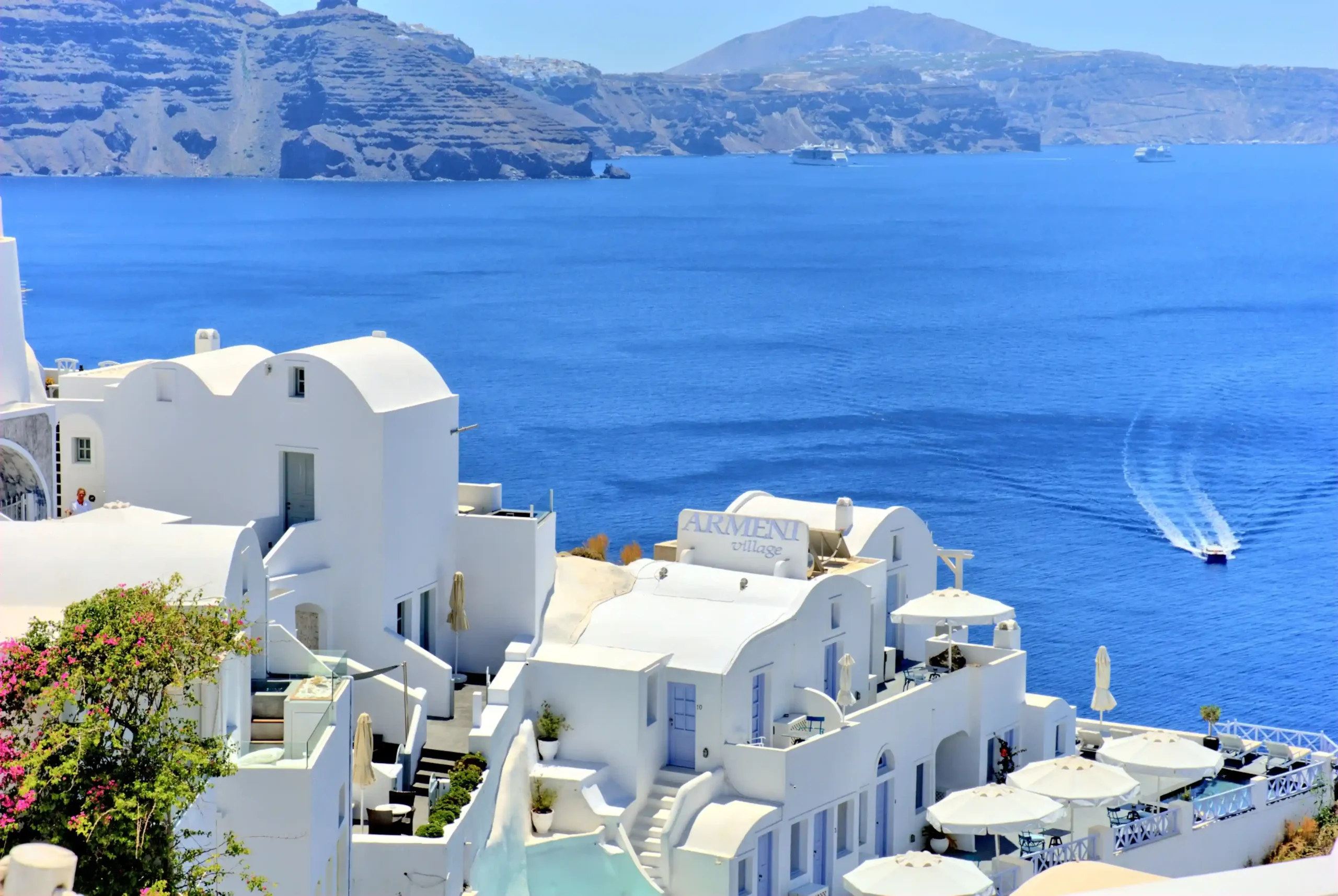
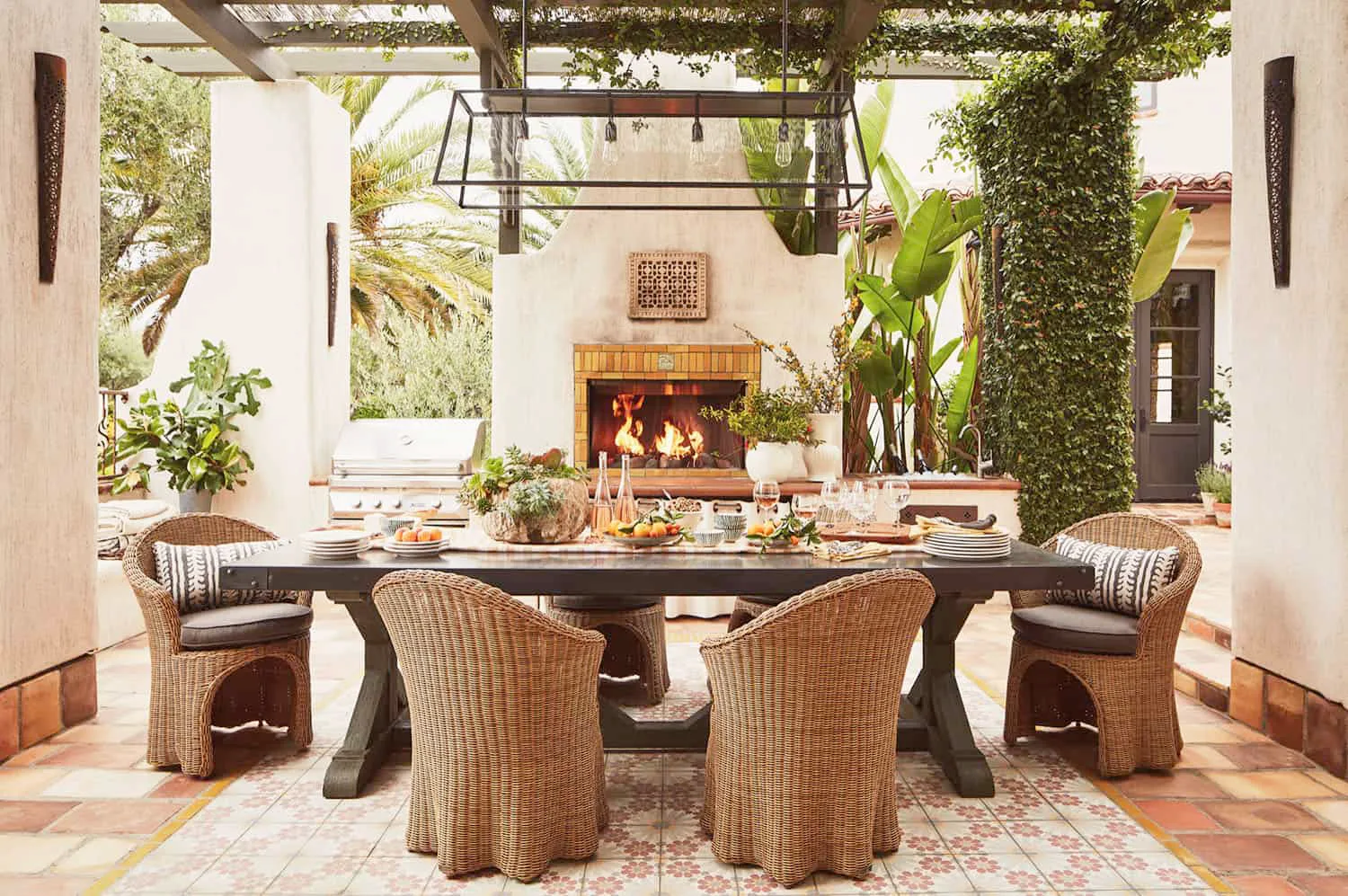
In the Mediterranean, architecture connects directly to lifestyle. Designers create buildings that respond to climate, social interaction, and outdoor living.
For instance, courtyards, terraces, shaded walkways, and open windows are not decorative elements. Instead, they support a way of life based on ventilation, light, and social gathering.
Today, contemporary architecture continues to draw from this logic and often prioritizes openness and fluid spatial planning.
The Role of Light in Mediterranean Culture
Light plays a defining role in Mediterranean life. It shapes architecture, mood, rhythm, and even daily routines.
Strong sunlight constantly transforms how spaces are experienced. As the day progresses, interiors shift as shadows and brightness move across surfaces.
Therefore, Mediterranean design treats natural light as a core material rather than a secondary condition.
Craft, Materiality, and Cultural Identity
Craft traditions remain central to Mediterranean culture. Artisans produce ceramics, textiles, stone carvings, and woodwork that reflect generations of knowledge.
These materials do more than serve function. Instead, they express cultural identity and maintain a strong connection to place.
In contemporary design, architects and interior designers increasingly reinterpret these craft traditions and combine them with modern minimalist aesthetics.
Food, Social Life, and Spatial Design
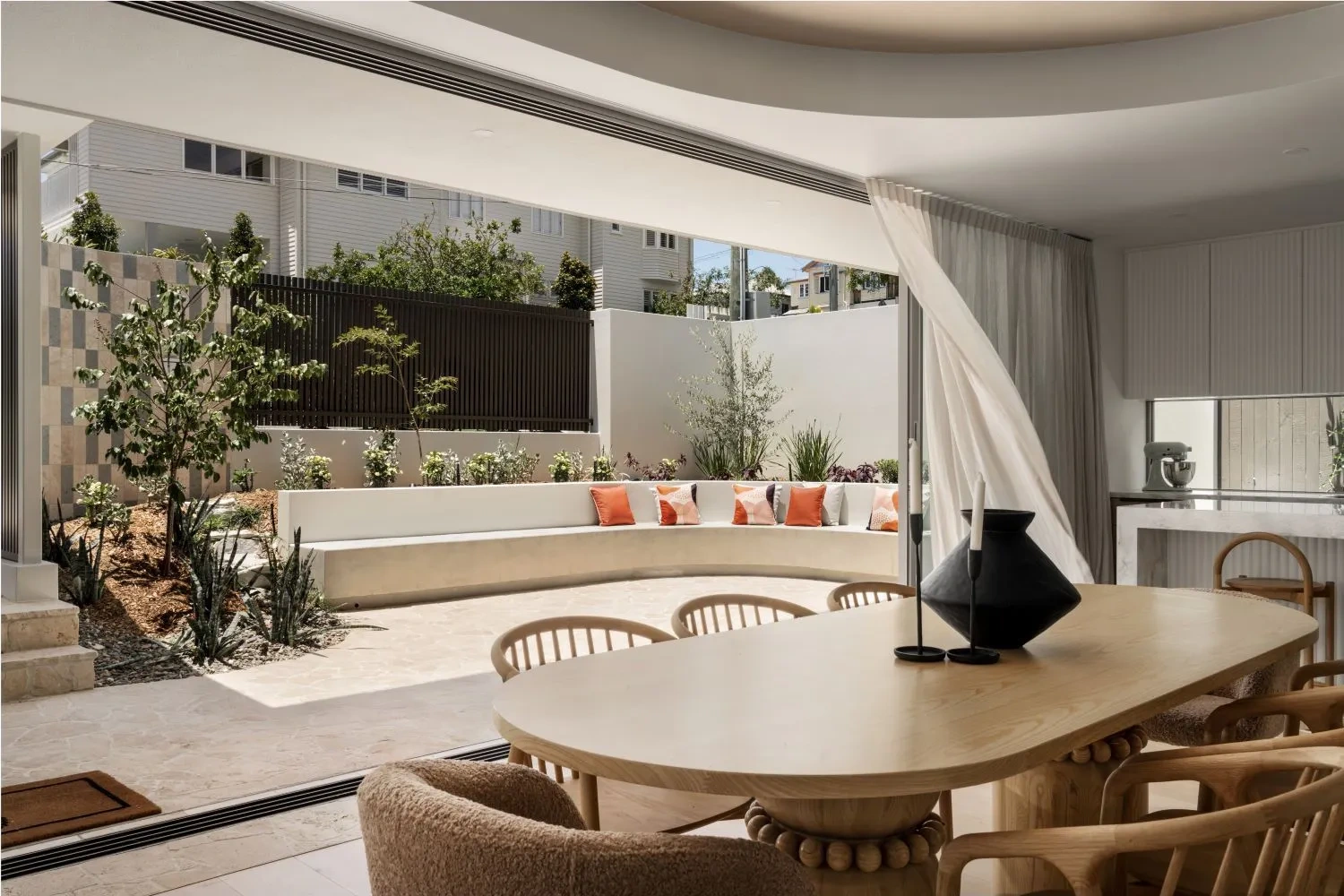
Food and social interaction strongly shape Mediterranean life. Meals rarely remain isolated events; instead, they become shared experiences that often extend outdoors.
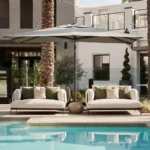
As a result, tables, kitchens, terraces, and gardens form a continuous spatial system. Designers increasingly reflect this in architecture by creating fluid connections between indoor and outdoor areas.
This approach reinforces the importance of social architecture, where spaces actively support human connection.
The Connection Between Nature and Living
Nature plays a fundamental role in Mediterranean life and culture. The sea, landscape, and climate actively influence how people live and build.
Homes often face natural views and prioritize airflow and sunlight. In addition, gardens and terraces extend living spaces beyond interior boundaries.
Because of this, Mediterranean architecture naturally integrates nature into everyday experience.
Mediterranean Influence on Contemporary Lifestyle
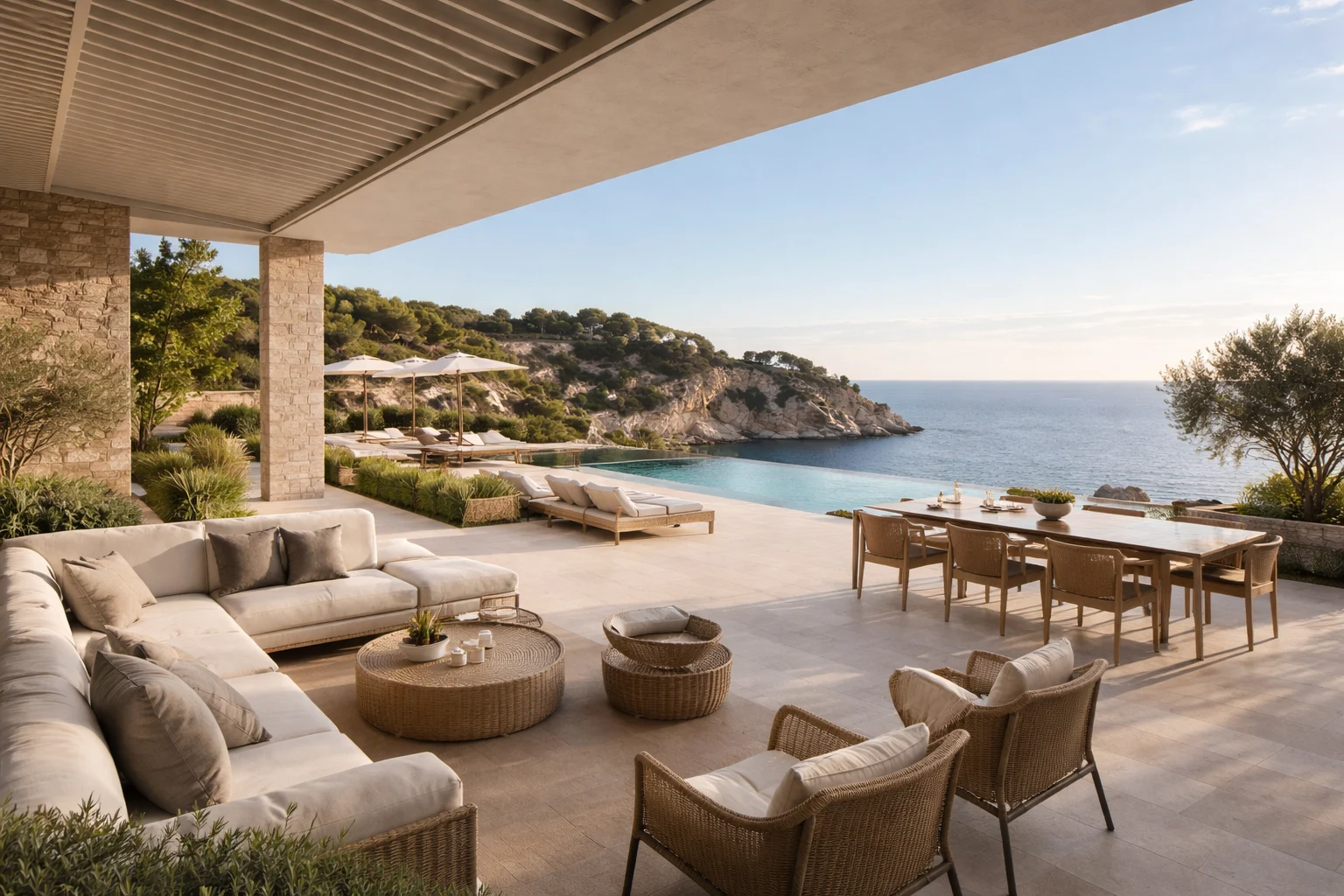
Today, Mediterranean life and culture strongly influence global design and lifestyle trends. Designers apply its principles across interiors, architecture, and hospitality.
These principles include simplicity, material authenticity, indoor-outdoor living, and a focus on experience rather than excess.
However, instead of copying traditional forms, contemporary design now adapts the essence of Mediterranean living into modern contexts.
Conclusion
Mediterranean life and culture represent more than regional identity. Instead, they form a living system where architecture, materiality, nature, and social life work together.
As contemporary design continues to evolve, the Mediterranean remains a key reference for creating spaces that feel authentic, human-centered, and environmentally responsive.
Ultimately, it is not only a style but also a way of understanding how life and space connect.