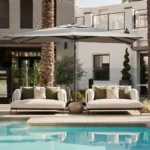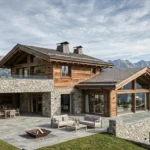

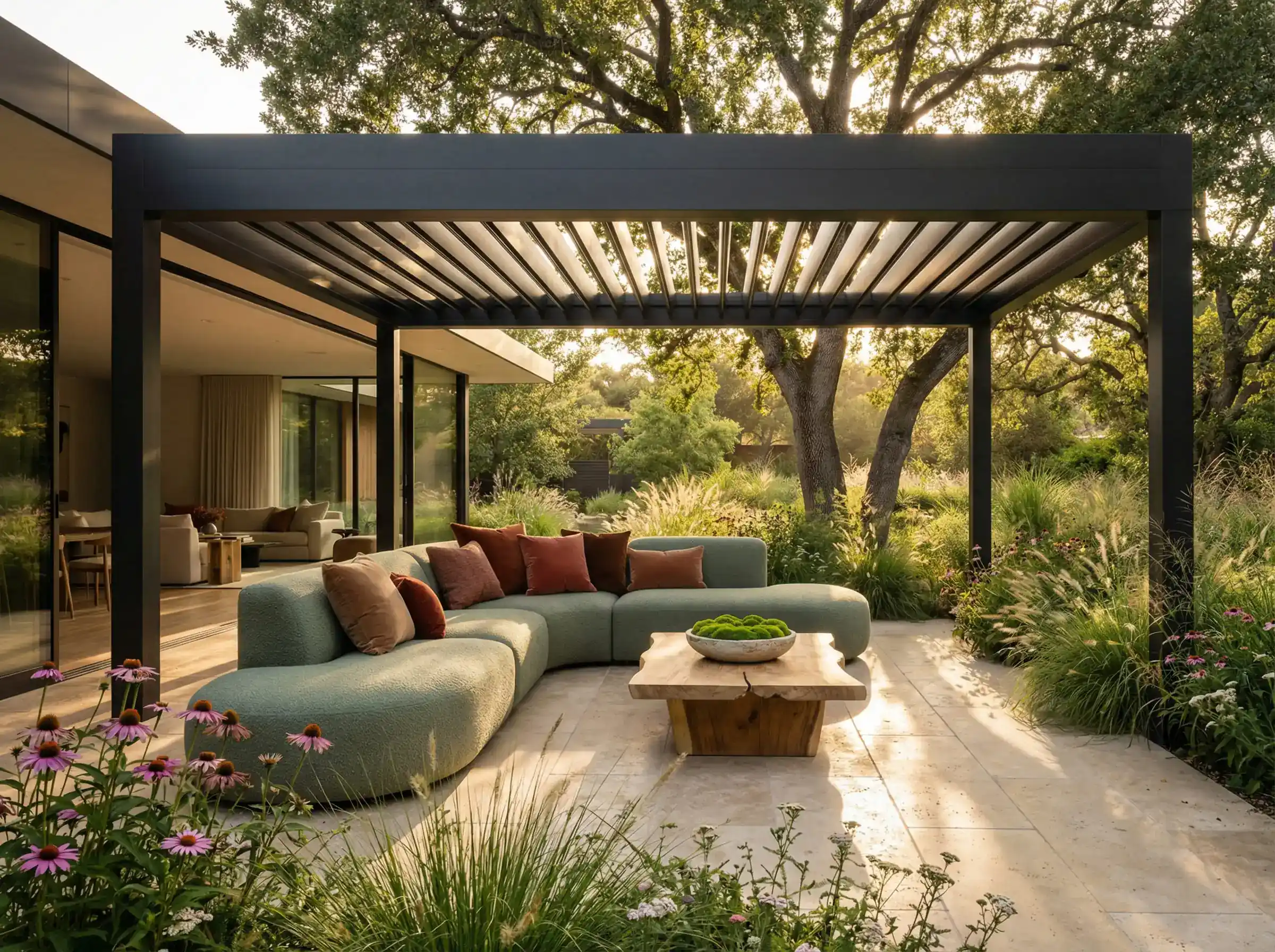
Sustainable Outdoor Architecture has emerged as a groundbreaking philosophy dominating the international landscape design and high-end coastal real estate markets. In previous development eras, premium hospitality brands and luxury developers often prioritized artificial synthetic structures and heavy, non-native materials that disrupted local ecosystems. Today, however, discerning global travelers and eco-conscious property investors actively demand open-air lounges that harmonize beautifully with their geographic surroundings. This significant industry evolution integrates climate-responsive solar orientation, native drought-resistant flora, and regional zero-emission building materials directly into high-end exterior settings. Because engineering these highly sophisticated, environmentally balanced ecosystems requires extensive structural research and creative regional planning, these layouts possess immense commercial value. Therefore, protecting original eco-luxury design frameworks through robust intellectual property strategies has become an urgent legal necessity for modern creators.
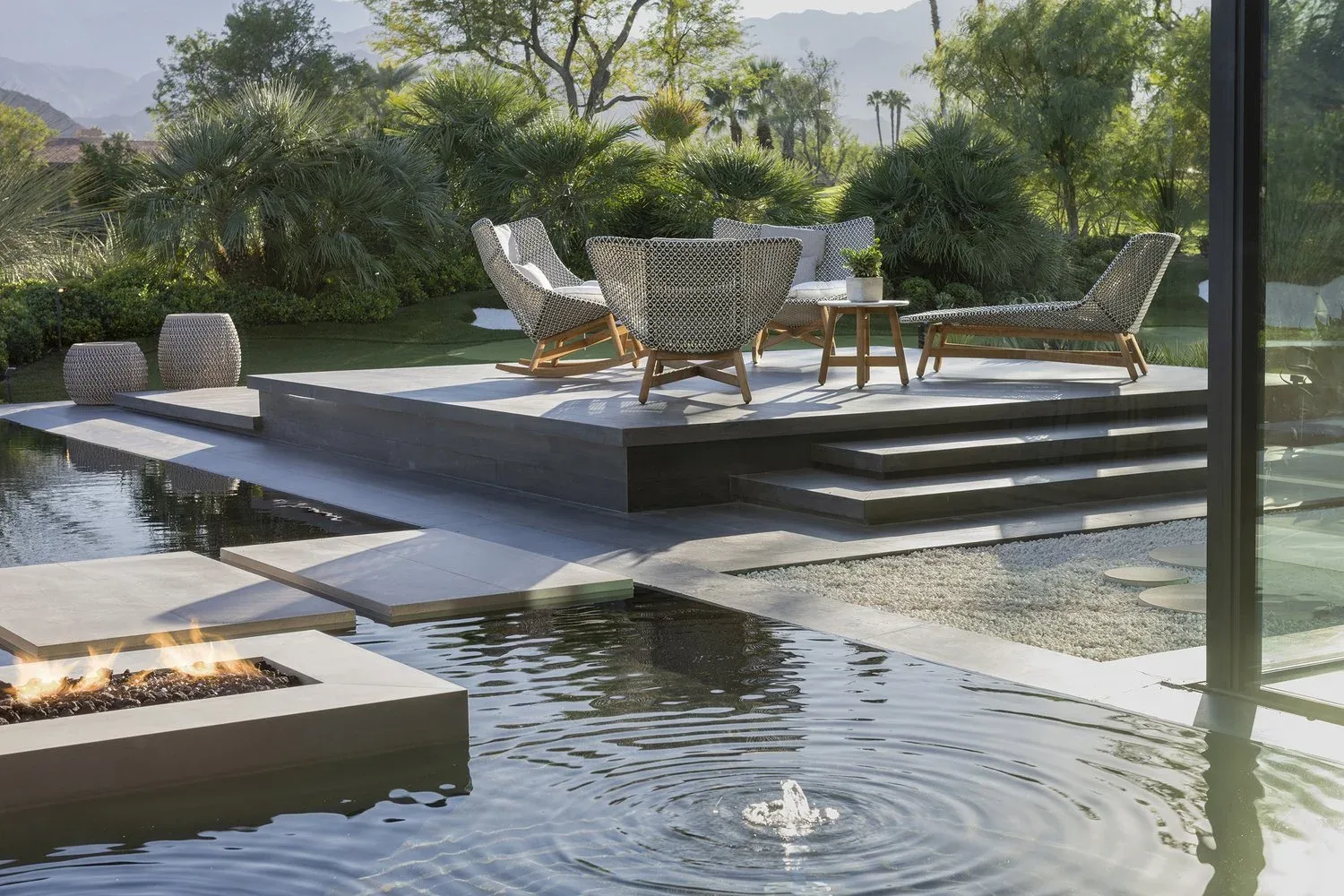
The Financial Catalyst of Environmentally Conscious Luxury
In the modern elite property market, a development’s ecological integrity serves as a primary vehicle for long-term financial valuation and brand prestige. Sophisticated buyers no longer look at luxury as a simple display of wasteful resources or ostentatious material wealth. Instead, they look for authentic, narrative-driven sanctuaries that actively protect local biodiversity while offering unparalleled physical comfort and emotional serenity. For that reason, world-class exterior design firms are moving away from invasive layouts to construct sustainable, low-impact architectural terraces. Investing heavily in these specialized, energy-efficient open-air environments ensures that a premium coastal destination remains highly competitive and commercially attractive for decades.
Digital Exposure and the Proliferation of Eco-Design Plagiarism
Uniquely, the high digital visibility of contemporary architectural showcases introduces severe operational risks for independent landscape visionaries and emerging studios. High-end eco-friendly shading structures, custom-engineered natural water filtrations, and zero-impact biophilic layouts are instantly photographed, uploaded online, and cataloged by commercial builders. As a result, mass-market construction corporations frequently replicate these complex green configurations without securing proper licensing agreements or offering financial compensation. This unauthorized duplication completely dilutes the marketplace exclusivity that elite residential collectors and boutique wellness hospitality brands demand. Moreover, it directly stalls the financial stability and career progression of the pioneering sustainable architectural studio. Without proactive copyright protection, these highly specialized, eco-sensitive technical blueprints remain entirely vulnerable to global corporate exploitation.
Securing Legal Trademarks for Complex Environmental Frameworks
To defend their emerging business models, forward-thinking landscape architects are utilizing advanced intellectual property tools to secure their physical outdoor creations. While individual natural elements cannot be legally monopolized, registering the total spatial arrangement of a sustainable terrace is entirely possible. Sustainable Outdoor Architecture can be officially copyrighted when a creative firm documents the precise interplay of local stone joinery, low-energy thermal lighting, and bespoke water features. This comprehensive legal documentation builds an unyielding defensive barrier against copycat engineering firms and large real estate developers. Ultimately, it allows independent creators to maintain absolute, enforceable ownership over their signature visual breakthroughs and sustainable layout innovations.
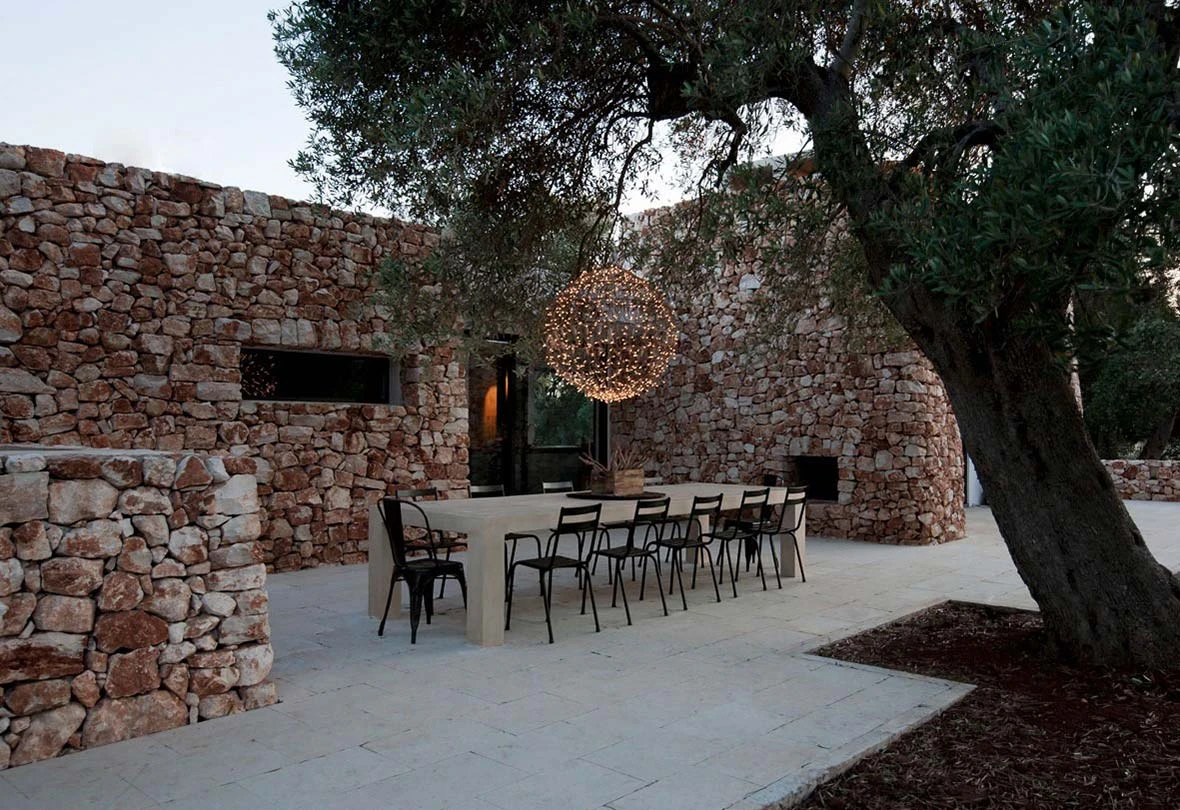
Empowering Landscape Visionaries in Commercial Partnerships
Providing creative design studios with a structured portfolio of registered environmental assets completely changes their negotiation leverage within the global marketplace. When an independent studio legally owns its behavioral layout formulas, it can approach commercial joint ventures from a position of absolute strength. This professional autonomy allows creators to license their high-end exterior concepts to international hospitality chains or premium real estate boards on their own terms. Therefore, they can secure fair, long-term royalties while successfully preventing the corporate dilution or careless distortion of their eco-friendly visions. Legal safety transforms progressive environmental engineering into a highly lucrative, protected corporate asset class.
The Role of Global Showcases in Validating Green Authorship
International design exhibitions are essential structural platforms for introducing these protected, original eco-luxury spaces to affluent global buyers and real estate curators. For instance, prominent outdoor design events allow independent studios to display physical prototypes of enduring, sustainable installations crafted from regional materials. When managed correctly, these global showcases highlight the verified legal authorship and meticulous environmental research behind the luxury objects on display. They do not merely present the exterior architecture as a passing, disposable seasonal trend for mass consumer consumption. Highlighting the intellectual property rights behind Sustainable Outdoor Architecture at international exhibitions raises market awareness significantly. It builds a premium marketplace that rewards true engineering innovation over cheap corporate imitation.
Balancing Contemporary Luxury with Ancestral Craft
Integrating modern luxury demands into historic public spaces requires a delicate balance between new engineering and ancestral craftsmanship. Many creators look to historic European layouts, such as classic ironwork or traditional stone carving, to achieve visual permanence. In addition, they must respect the cultural roots of these spatial traditions. This respectful, collaborative approach allows contemporary urban structures to evolve naturally without destroying the cultural fabric of the space. Consequently, environments adopt advanced sustainable technologies without losing their grounding, human-centric essence. When protected by clear trade secret agreements, these hybrid construction methods become invaluable corporate assets.
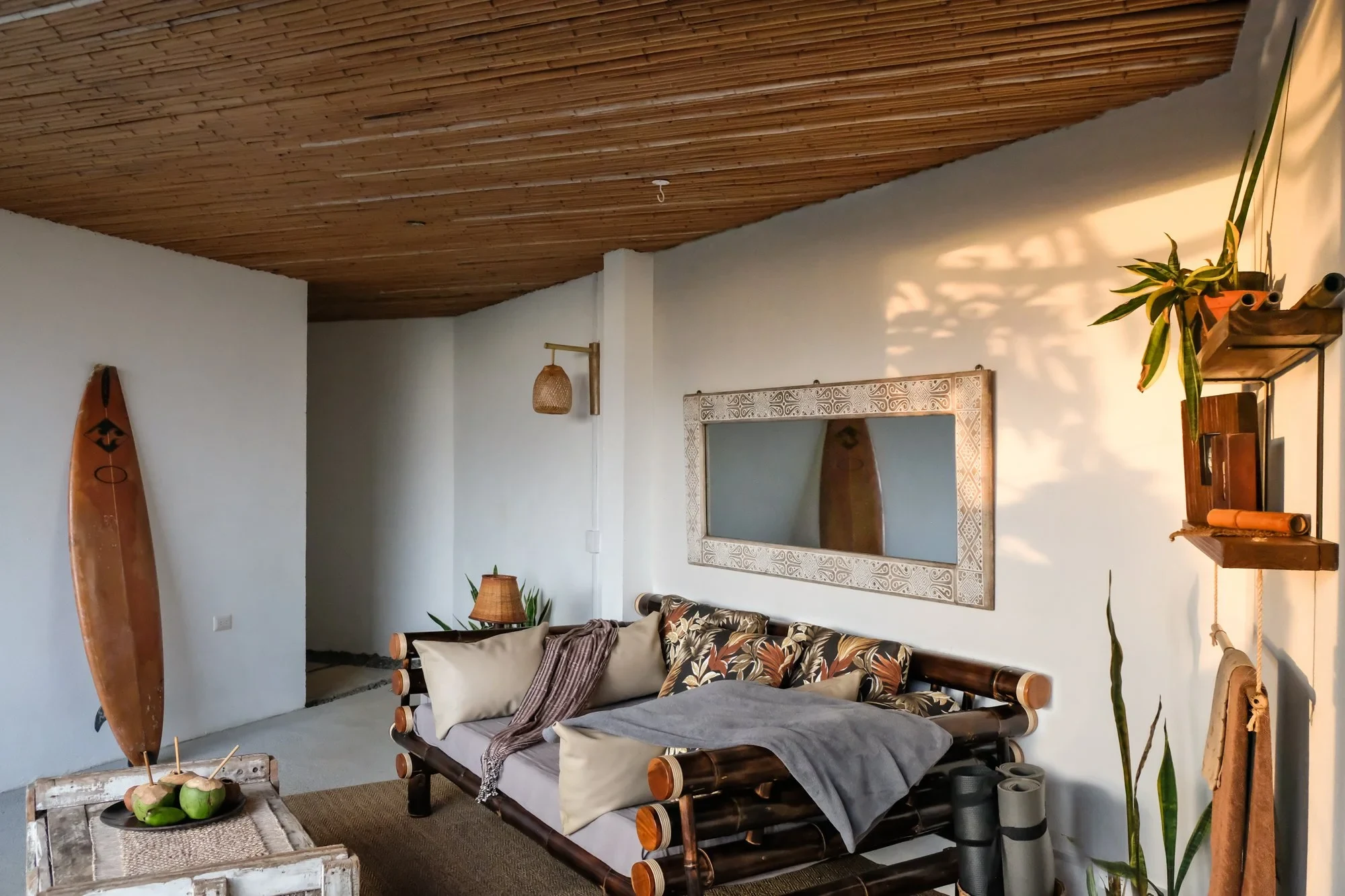
Sustaining the Global Slow Design Movement
The legal preservation of unique public objects is deeply connected to the global rise of the slow design movement. This architectural shift champions environmental sustainability, low-impact construction, and the protection of natural materials like certified metals and regional stone. By investing in properties designed specifically to endure for generations, affluent buyers actively support environmental preservation. This conscious choice reduces industrial waste. Furthermore, it establishes a more meaningful, permanent connection with our domestic and urban surroundings. Legal protections guarantee that creating these deep architectural sanctuaries remains a highly respected and profitable career path for future generations.
Conclusion: Securing the Future of Design Authenticity
In conclusion, treating the design of our living environments as a protected intellectual asset is essential for the future of global design. When intellectual property laws and strict copyright frameworks shield Sustainable Outdoor Architecture, they secure the financial survival of creative visionaries. Concurrently, they maintain a high standard of design authenticity within the international real estate and travel markets. Prioritizing legal safety allows the luxury design industry to push creative boundaries ethically and with absolute confidence. Ultimately, defending the rights of the spatial author ensures that our cities and hospitality destinations will continue to inspire, protect, and connect us for centuries to come.