
In the realm of high-end outdoor design, Luxury Parasols have evolved far beyond simple sun-shading solutions. Today, they serve as architectural elements that define outdoor environments, enhance spatial composition, and communicate a refined lifestyle. For outdoor designers, architects, and luxury furniture brands, selecting the right parasol requires a careful balance between performance, aesthetics, and durability.
Elegant outdoor spaces—whether private terraces, resort lounges, or poolside retreats—demand more than functionality. They require cohesive design elements that elevate the overall experience. Luxury parasols play a central role in achieving this goal.
Architectural Presence and Design Impact
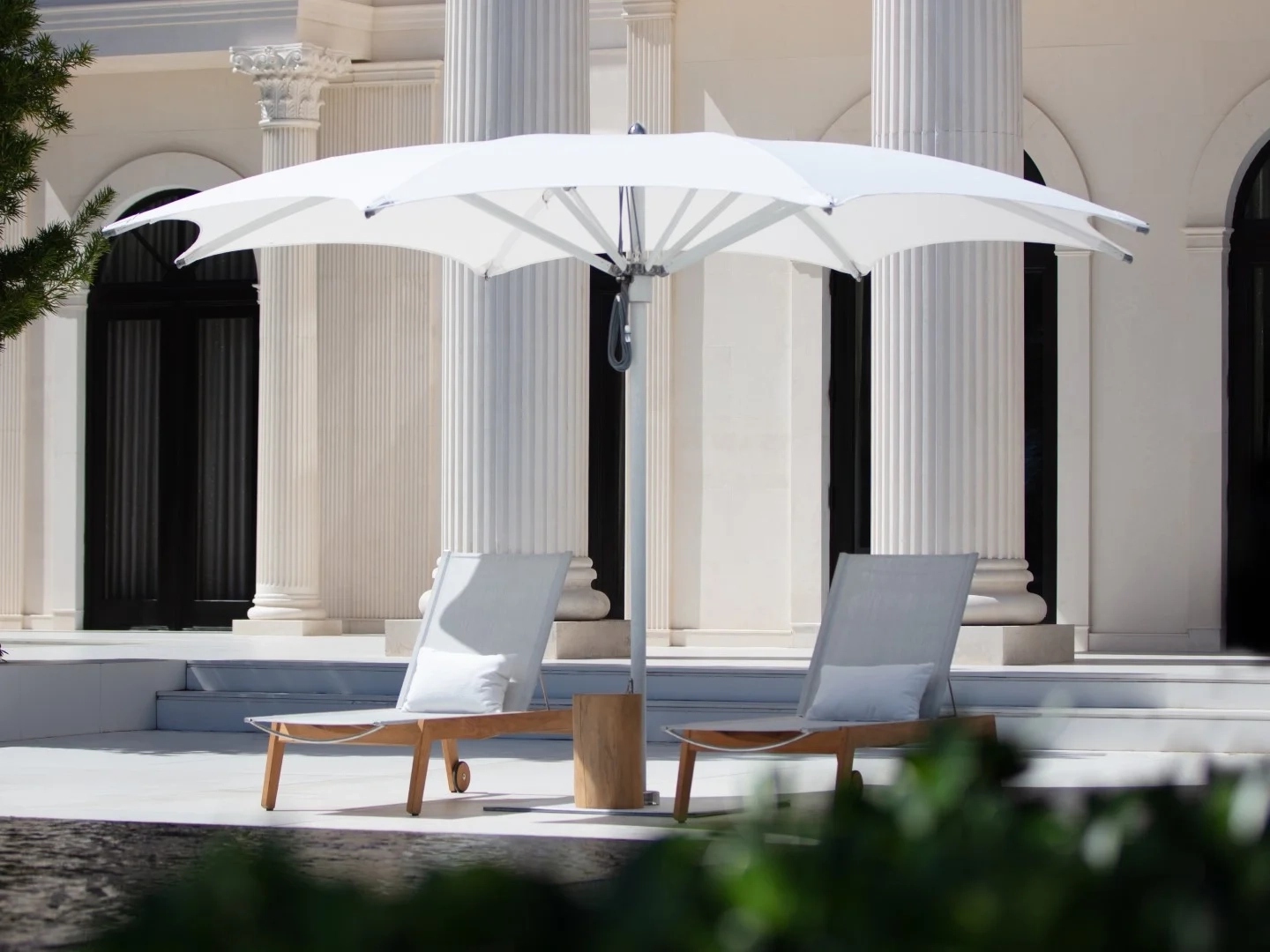
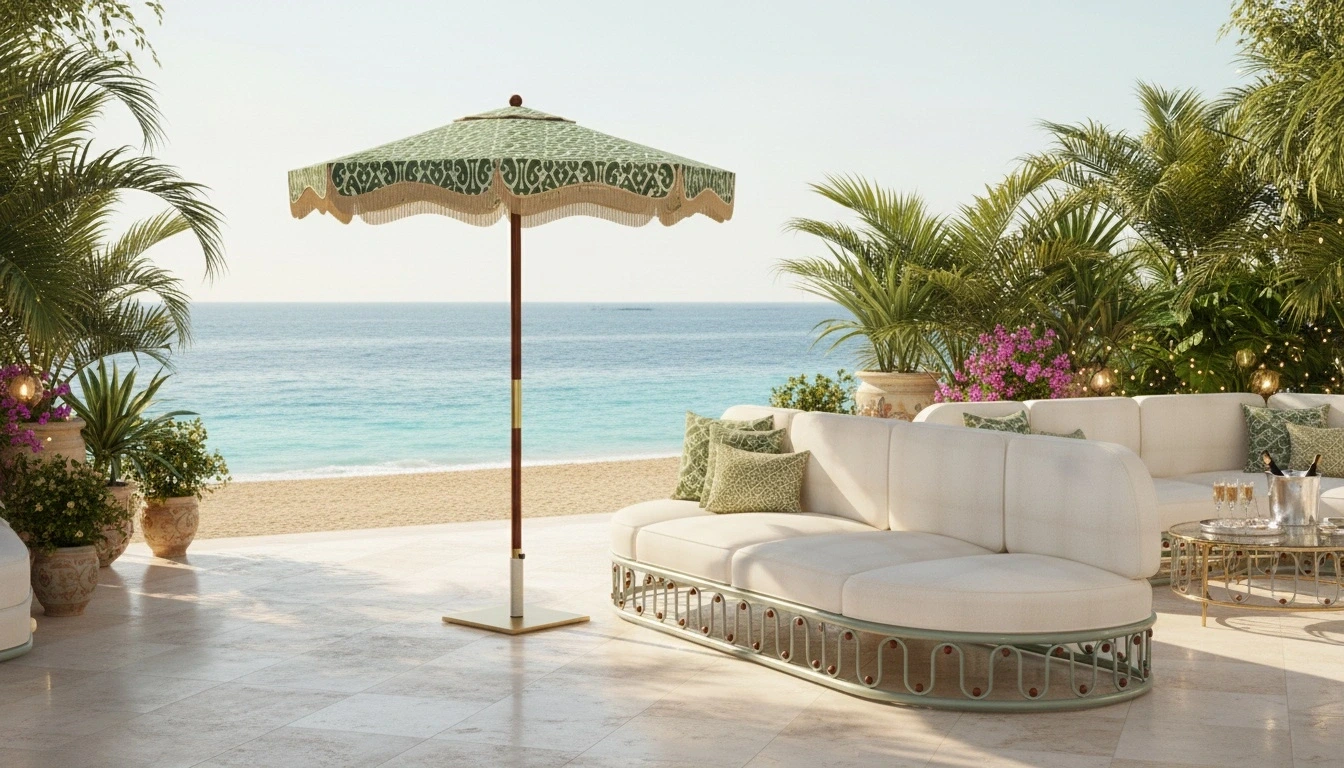
Luxury parasols contribute significantly to the visual identity of an outdoor space. Unlike standard umbrellas, these pieces feature sculptural forms and carefully considered proportions that complement high-end environments.
Designers often treat parasols as vertical anchors within a layout. Their height, canopy shape, and structural lines influence how the space feels and functions. A well-designed parasol can:
- Frame seating areas
- Define outdoor “rooms”
- Create rhythm across expansive terraces
Contemporary luxury parasols often incorporate clean geometries, cantilevered structures, and minimalistic profiles. These design choices allow them to integrate seamlessly into modern architectural settings while maintaining a strong visual presence.
Premium Materials and Finishes
Material selection defines the quality and longevity of luxury parasols. High-end outdoor environments require materials that withstand exposure to sun, wind, and moisture without losing their aesthetic appeal.
Top-tier luxury parasols typically feature:
- Powder-coated aluminum or stainless steel frames for structural strength
- Marine-grade fabrics resistant to UV rays and fading
- Hardwood elements such as teak for warmth and natural elegance
- High-performance synthetics engineered for durability
The finish of each component matters. Smooth coatings, refined textures, and precision detailing elevate the overall perception of quality. In luxury settings, even small imperfections can disrupt the visual harmony, so consistency in material execution becomes essential.
Advanced Canopy Technology
The canopy stands at the core of any parasol, and in luxury designs, it reflects both innovation and craftsmanship. High-performance fabrics not only provide shade but also enhance comfort and usability.
Key features of advanced canopy systems include:
- UV protection that preserves both users and surrounding furniture
- Water resistance for versatile outdoor use
- Breathable weaves that reduce heat buildup beneath the canopy
- Colorfast properties that maintain vibrancy over time
Designers also pay close attention to the canopy’s tension and structure. A perfectly stretched canopy avoids sagging and creates a crisp, tailored appearance that aligns with high-end aesthetics.
Engineering and Functionality
Luxury parasols distinguish themselves through superior engineering. Smooth operation, stability, and adaptability define their performance in demanding outdoor environments.
High-end models often include:
- 360-degree rotation for flexible shading
- Tilt mechanisms that follow the sun’s movement
- Counterweight systems for enhanced stability
- Wind-resistant designs that maintain integrity in changing conditions
Ease of use plays a crucial role. Designers and clients expect mechanisms that operate effortlessly while maintaining a sleek, unobtrusive appearance. Hidden hardware and refined joints contribute to both functionality and visual clarity.
Integration with Outdoor Furniture and Layouts
Luxury parasols must integrate seamlessly with surrounding furniture and architectural elements. They should complement lounge seating, dining arrangements, and poolside installations without dominating the composition.
Successful integration involves:
- Aligning parasol proportions with furniture scale
- Coordinating colors and materials across elements
- Positioning structures to maximize both shade and visual balance
For example, a large cantilevered parasol can hover elegantly over a modular seating system, providing shade without interrupting the layout. This approach enhances usability while preserving the openness of the space.
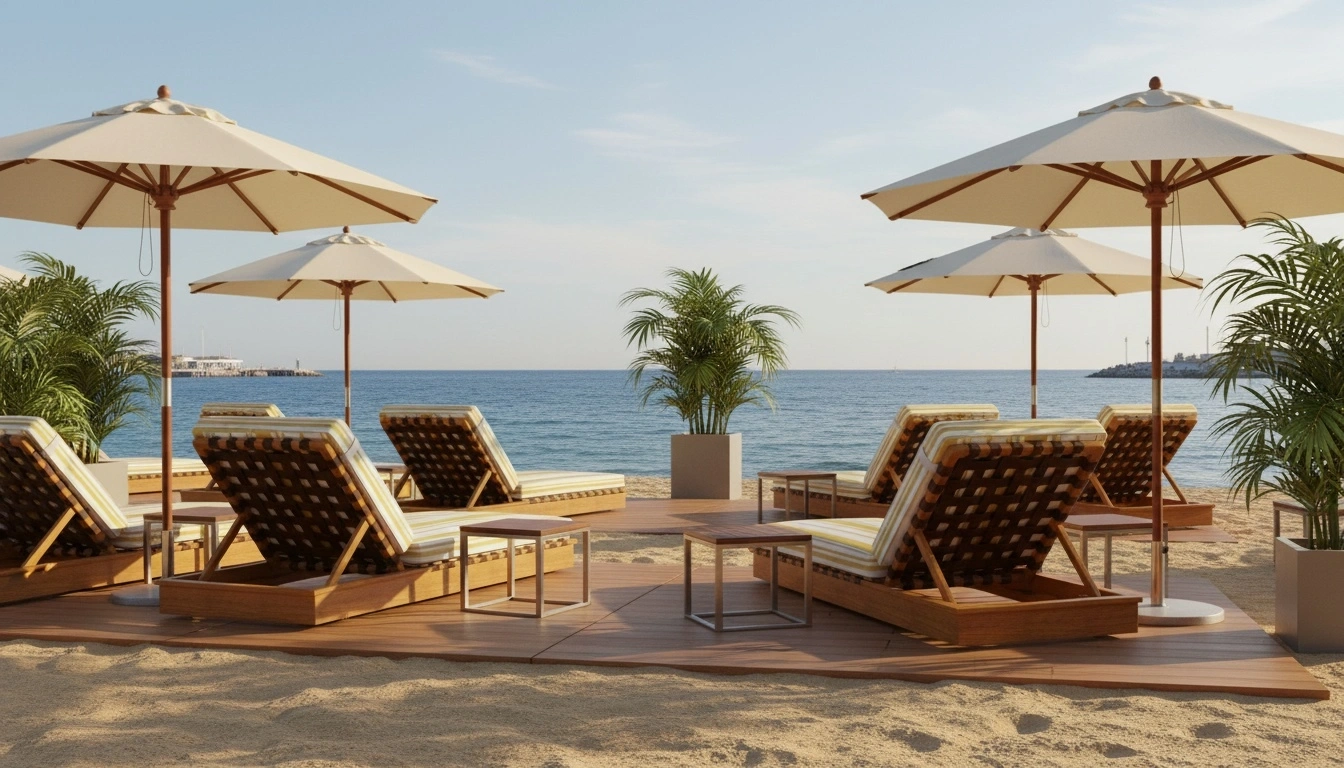
Outdoor designers often use parasols to create layered environments. By combining multiple units, they can establish zones for relaxation, dining, and social interaction within a cohesive design framework.
Customization and Bespoke Solutions
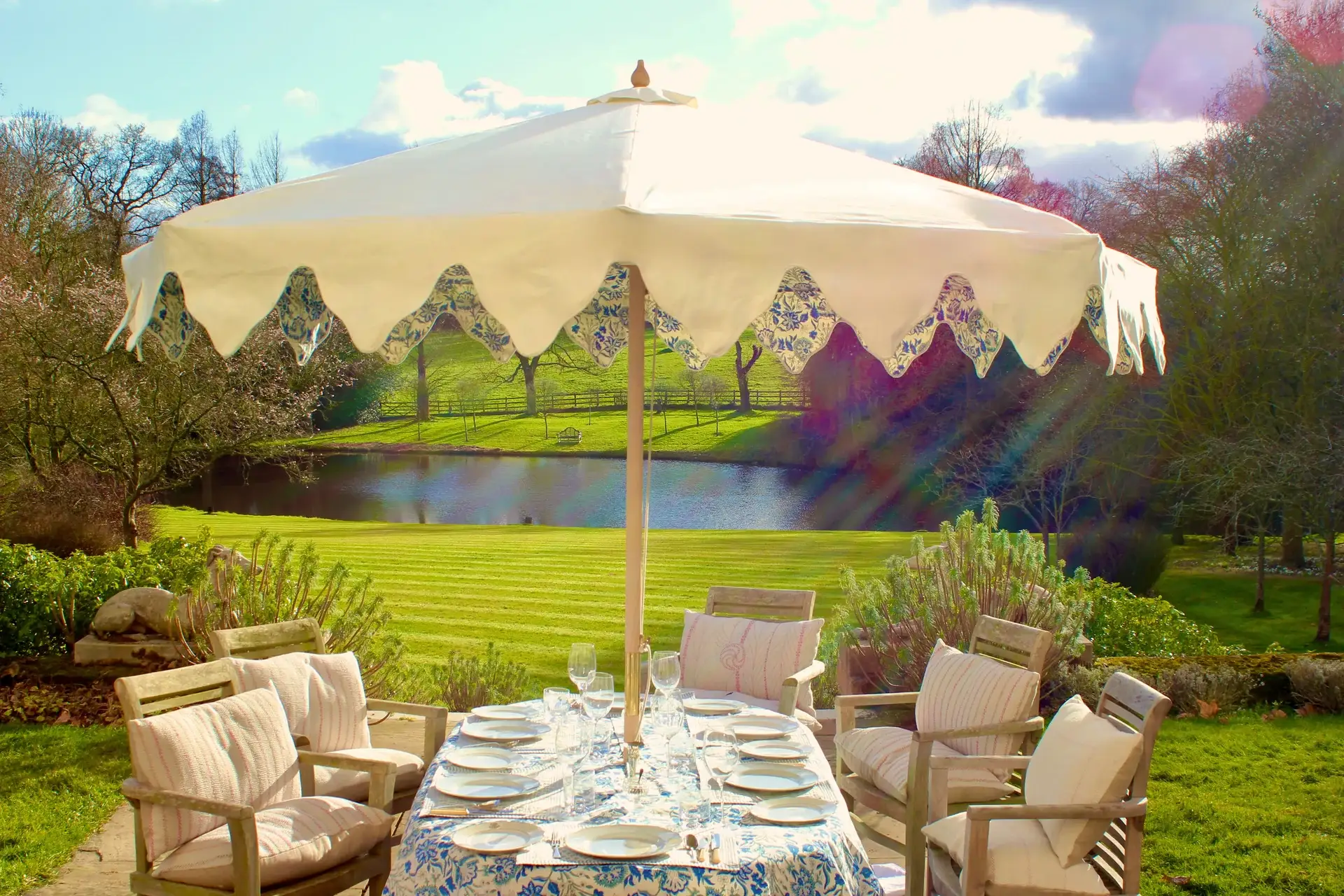
In luxury outdoor design, customization plays a defining role. Clients increasingly seek unique solutions tailored to their specific spaces and preferences. Luxury parasols respond to this demand through a wide range of customization options.
These may include:
- Custom canopy colors and patterns
- Branded elements for hospitality projects
- Tailored dimensions to fit specific layouts
- Integrated lighting or heating systems
Bespoke parasols allow designers to align every detail with the project’s vision. This level of personalization enhances exclusivity and ensures that the final result feels intentional and refined.
Durability and Long-Term Performance
Outdoor environments present constant challenges, from intense sunlight to unpredictable weather. Luxury parasols must maintain their structural integrity and appearance over time.
Durability depends on several factors:
- Corrosion-resistant materials
- Reinforced joints and connections
- High-quality fabric stitching and finishing
- Stable base systems that prevent movement
Investing in durable parasols reduces maintenance requirements and ensures consistent performance. For luxury hospitality spaces, where daily use is intensive, reliability becomes a key consideration.
Aesthetic Versatility Across Design Styles
Luxury parasols adapt to a wide range of design styles, from contemporary minimalism to classic Mediterranean elegance. Their versatility makes them essential tools for outdoor designers working across diverse projects.
In modern settings, parasols often feature:
- Neutral color palettes
- Sleek, geometric forms
- Minimal hardware visibility
In more traditional environments, designers may opt for:
- Rich, textured fabrics
- Decorative details
- Warm, natural materials
This adaptability allows parasols to enhance the overall narrative of a space, regardless of its stylistic direction.
Sustainability and Responsible Design
Sustainability continues to influence high-end outdoor design, and luxury parasols are no exception. Manufacturers are increasingly focusing on environmentally responsible materials and production methods.
Sustainable features may include:
- Recyclable frame components
- Eco-friendly fabric treatments
- Long-lasting designs that reduce replacement frequency
For architects and design studios, incorporating sustainable elements aligns with broader project goals while meeting client expectations for responsible luxury.
The Role of Lighting and Atmosphere
Luxury parasols are no longer limited to daytime use. Integrated lighting systems allow them to contribute to evening ambiance, extending the usability of outdoor spaces.
Subtle LED lighting embedded within the structure can:
- Create warm, inviting atmospheres
- Highlight architectural features
- Support functional illumination for dining and socializing
This integration enhances the parasol’s role as both a practical and atmospheric element within the design.
Conclusion
Luxury parasols represent a perfect fusion of design, engineering, and functionality. They define outdoor spaces, provide essential comfort, and elevate the overall aesthetic of high-end environments.
For outdoor designers, furniture brands, architects, and luxury design studios, selecting the best luxury parasols involves more than choosing a shade solution. It requires a deep understanding of materials, form, performance, and integration.
When executed thoughtfully, luxury parasols transform outdoor areas into elegant, cohesive spaces that reflect sophistication and attention to detail. As outdoor living continues to gain importance in both residential and hospitality projects, these elements will remain indispensable in shaping the future of refined exterior design.