
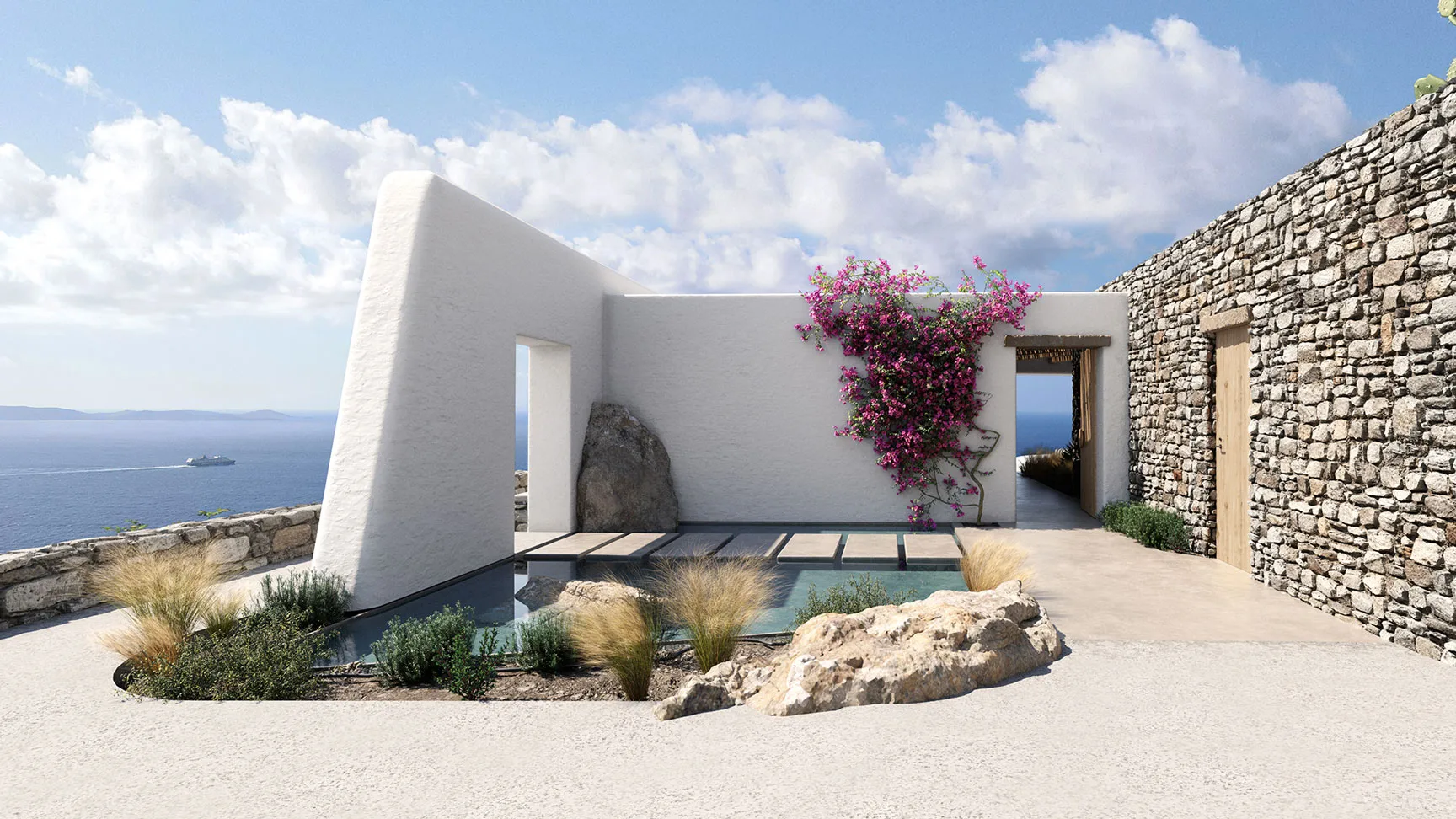
Mediterranean luxury architecture is more than a design style—it is a cultural expression shaped by climate, history, and a deep connection to nature. In contemporary luxury homes, this architectural language is being reinterpreted through minimalism, natural materials, and seamless transitions between indoor and outdoor spaces.
For architects, interior designers, and luxury design studios, the Mediterranean approach offers a timeless framework that prioritizes lifestyle, comfort, and authenticity over visual excess.
The Cultural Foundations of Mediterranean Architecture
Mediterranean design originates from coastal regions where architecture has always been shaped by sunlight, sea breeze, and social living. Thick walls, shaded terraces, and natural ventilation were not aesthetic choices—they were essential responses to climate.
Today, mediterranean luxury architecture retains these principles while refining them into modern spatial experiences. Cultural identity remains central, with homes designed as extensions of local traditions rather than global uniformity.
Natural Materials as the Language of Luxury
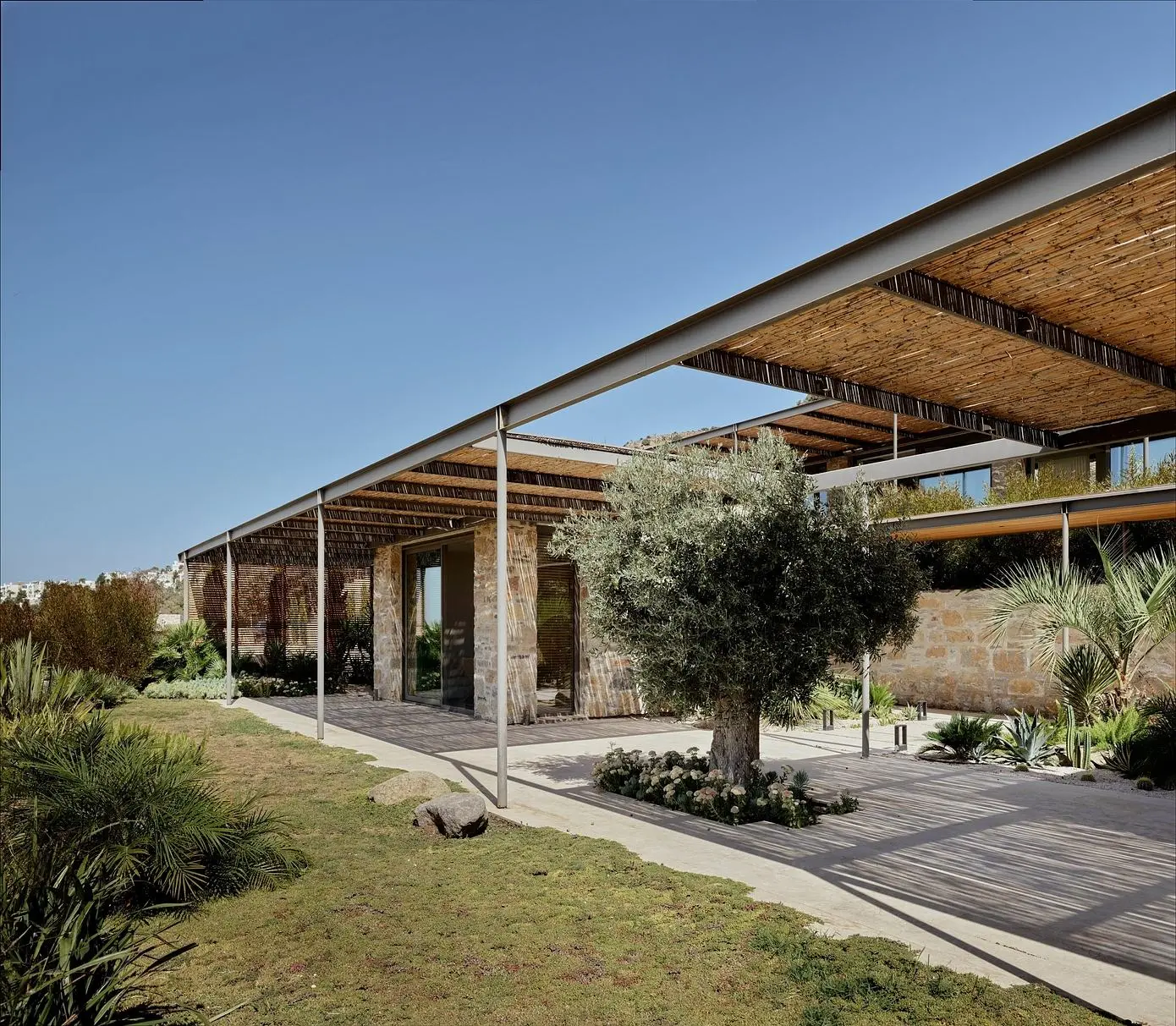
One of the defining characteristics of Mediterranean-inspired homes is the use of honest, tactile materials.
Stone, lime plaster, terracotta, wood, and marble create a sensory experience that connects interiors to the natural environment.
Moreover, these materials age beautifully, reinforcing the idea that luxury is not about perfection but permanence. In modern interpretations, designers often pair traditional textures with minimalist forms to achieve a balance between heritage and contemporary elegance.
Indoor-Outdoor Living as a Core Principle
A key feature of mediterranean luxury architecture is the dissolution of boundaries between interior and exterior spaces.
Courtyards, open terraces, and large sliding glass panels create fluid transitions that encourage natural light and ventilation.
As a result, homes become spatial ecosystems rather than enclosed structures. This lifestyle-driven approach is now a major influence in global luxury real estate development.
The Rise of Quiet Luxury in Mediterranean Homes
Modern Mediterranean homes are increasingly aligned with the concept of quiet luxury—an aesthetic defined by restraint, material quality, and spatial harmony.
Instead of decorative excess, designers focus on proportion, light, and atmosphere.
quiet luxury has become a guiding principle in contemporary interpretations of Mediterranean living, where sophistication is expressed through simplicity rather than ornamentation.
Architecture, Identity, and Place
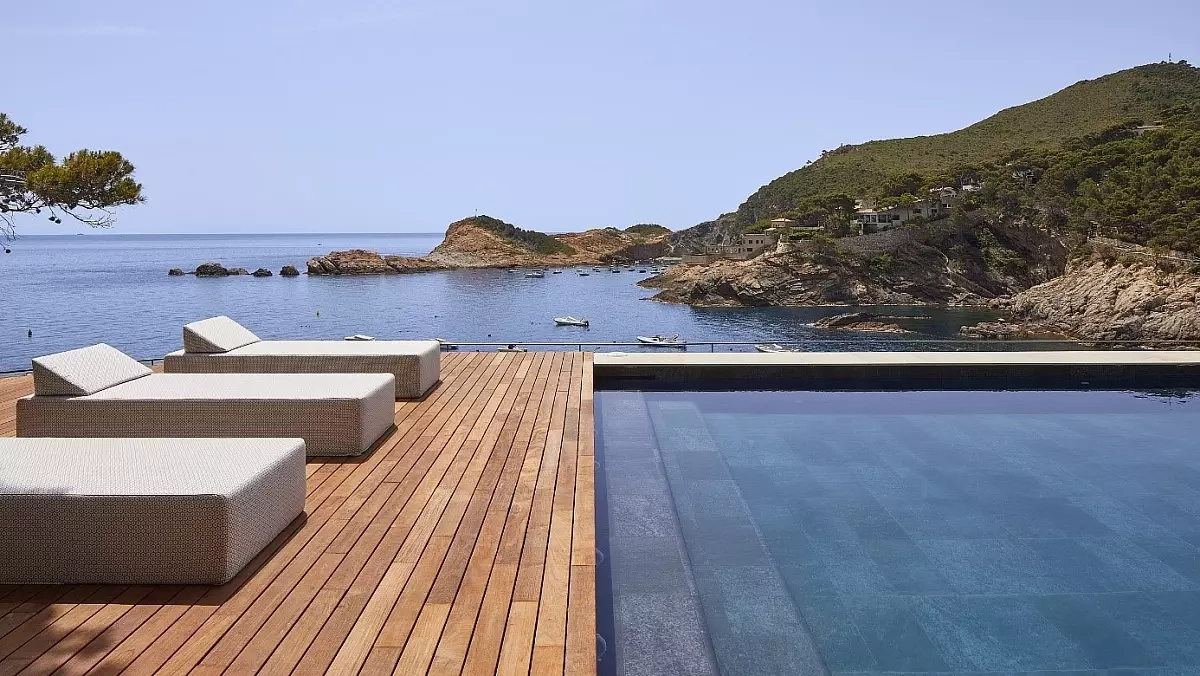
Unlike generic global luxury design, Mediterranean architecture is deeply rooted in place. Each region—whether Greece, Italy, Spain, or the South of France—contributes its own architectural vocabulary.
This regional identity is what gives mediterranean luxury architecture its depth and authenticity. Homes are not designed to be copied globally but to reflect the cultural DNA of their environment.
Influence on Global Luxury Real Estate
Today, Mediterranean design principles are influencing high-end developments worldwide, from coastal villas in California to luxury resorts in the Middle East.
ArchDaily frequently highlights how Mediterranean-inspired architecture is being adapted into contemporary residential and hospitality projects due to its timeless appeal and lifestyle-driven design logic.
The Role of Craft and Artisanal Detail
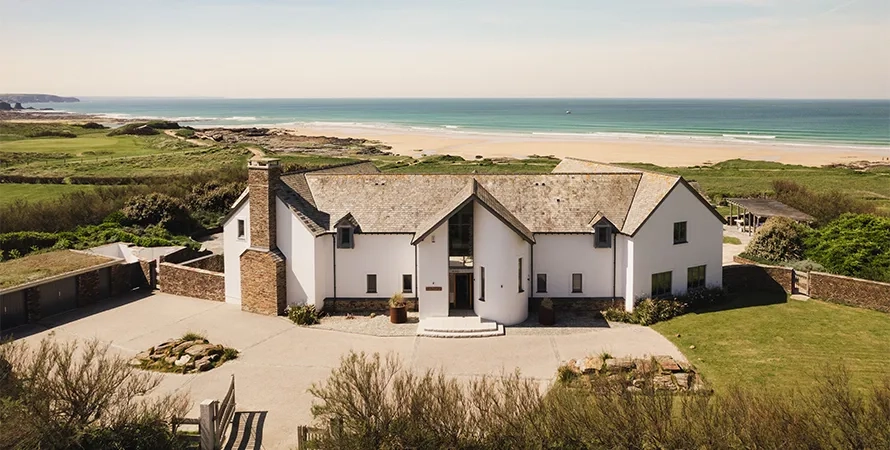
Craftsmanship remains a fundamental pillar of Mediterranean luxury. Hand-finished surfaces, custom furniture, and artisanal detailing reinforce the human scale of architecture.
This approach contrasts with mass-produced design, emphasizing individuality and long-term value.
As a result, Mediterranean homes often feel personal, curated, and emotionally connected to their inhabitants.
Conclusion
Mediterranean luxury architecture represents a harmonious fusion of culture, climate, and contemporary design thinking. It is not a trend, but a lasting architectural philosophy rooted in authenticity and lifestyle.
As global luxury markets continue to evolve, the Mediterranean model remains a reference point for architects and designers seeking to create homes that are both timeless and deeply human.