
In contemporary hospitality design, outdoor dining spaces have evolved from optional amenities into essential architectural experiences. Luxury hotels, resorts, and boutique hospitality concepts increasingly position outdoor dining at the center of the guest journey, recognizing that atmosphere, landscape, and environmental connection now shape how people experience food and social interaction.
For outdoor designers, architects, and luxury design studios, this transformation represents a major shift in hospitality culture. Dining is no longer confined to interior environments. Instead, terraces, courtyards, rooftop lounges, beachfront restaurants, and garden pavilions are becoming some of the most influential spaces within luxury hospitality projects.
This evolution reflects changing expectations around wellness, lifestyle, and experiential travel, where outdoor environments contribute directly to the emotional identity of a destination.
The Shift Toward Experience-Driven Hospitality
Luxury hospitality has increasingly moved away from traditional notions of exclusivity centered solely on interiors. Today’s guests seek immersive experiences that connect them with climate, landscape, and local culture.
Outdoor dining spaces support this shift by creating environments that feel dynamic and sensory-rich. Natural light, open air, vegetation, and surrounding views become integral components of the dining experience rather than secondary visual elements.
As a result, restaurants and lounges are now designed as architectural destinations where outdoor atmosphere shapes memory and emotional engagement.
Why Outdoor Dining Spaces Matter More Than Ever
Several cultural and architectural factors have contributed to the growing importance of outdoor dining spaces within luxury hospitality environments.
Key drivers include:
- Increased demand for wellness-oriented experiences
- Stronger emphasis on connection to nature
- Preference for relaxed and flexible social environments
- Desire for open-air comfort and natural ventilation
- Greater focus on experiential luxury over formal excess
These priorities have fundamentally reshaped how hospitality projects are conceived and planned.
Outdoor Dining as Architectural Identity
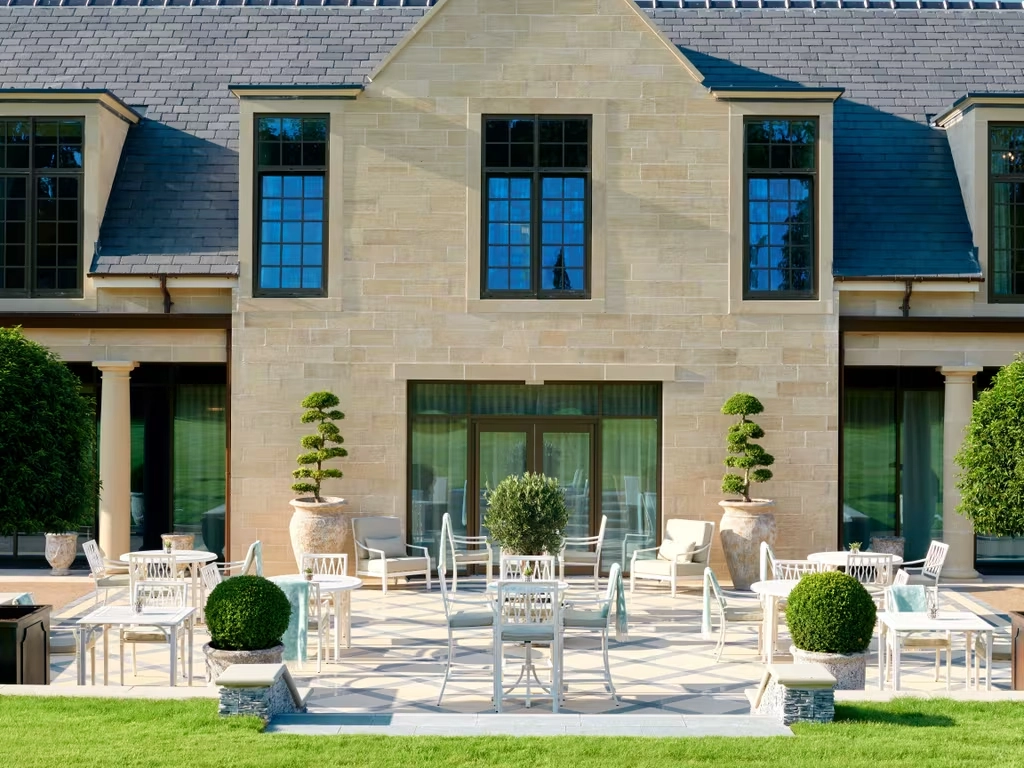
In many luxury hotels and resorts, outdoor dining spaces now define the architectural identity of the property itself. Terraces overlooking coastlines, courtyards framed by gardens, and rooftop restaurants with skyline views become signature visual experiences.
Architects increasingly integrate dining environments into the earliest stages of spatial planning. Circulation, orientation, and material selection are carefully orchestrated to maximize environmental immersion.
This approach allows outdoor dining areas to function as central social anchors within the hospitality ecosystem rather than isolated amenities.
Climate-Responsive Design in Hospitality
Successful outdoor dining spaces rely heavily on climate-responsive architecture. Comfort is essential in hospitality environments where guests are expected to linger and socialize for extended periods.
Common climate-conscious strategies include:
- Pergolas and canopies creating filtered shade
- Open-air layouts enhancing natural airflow
- Water features improving thermal comfort
- Light-colored materials reducing heat absorption
- Flexible seating arrangements adapting to weather conditions
These solutions allow outdoor restaurants and lounges to remain comfortable throughout changing seasonal conditions.
The Influence of Mediterranean Hospitality
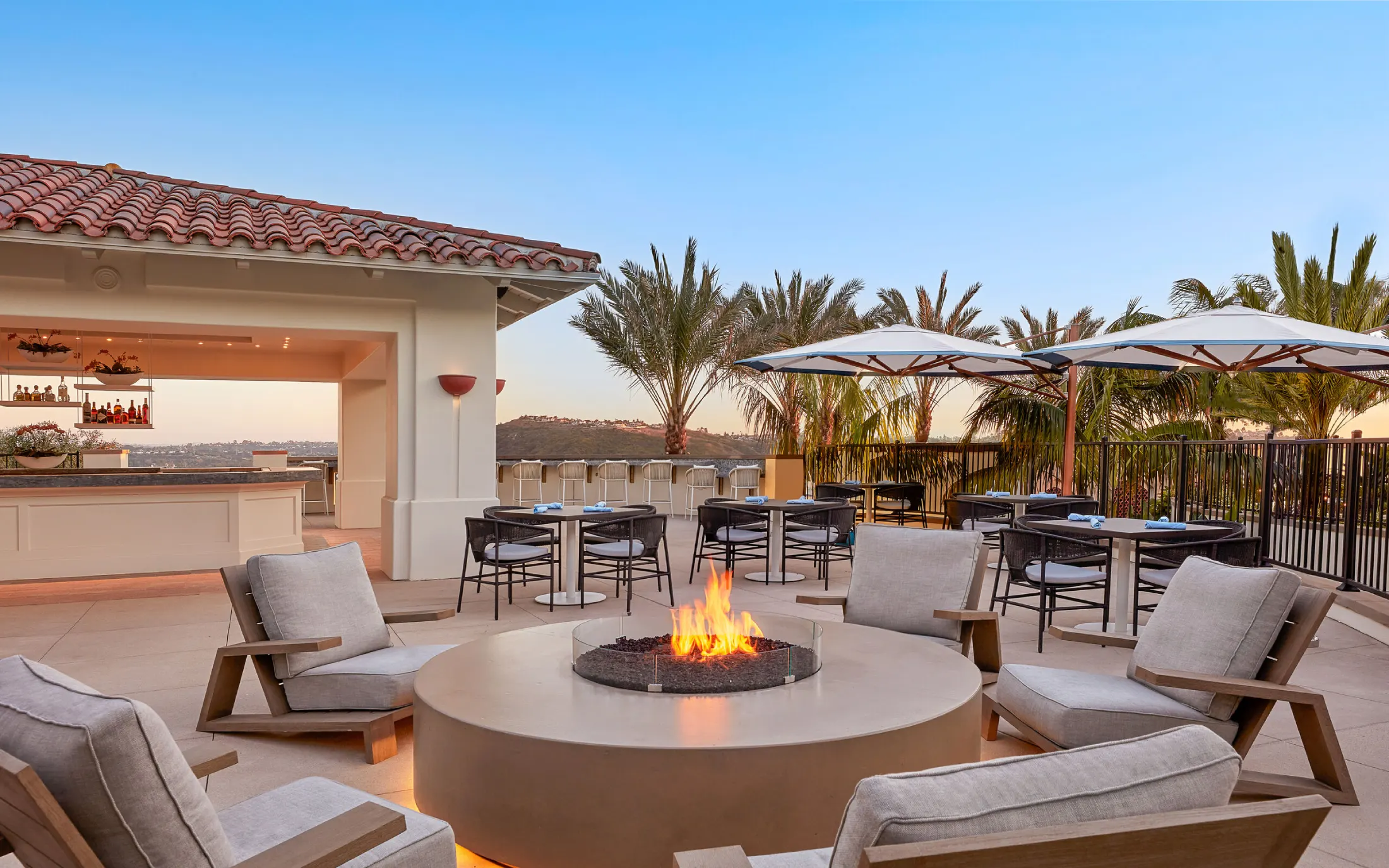
Mediterranean architecture has strongly influenced the evolution of outdoor dining spaces in luxury hospitality. Coastal destinations across southern Europe have long embraced open-air dining as part of everyday social culture.
Contemporary luxury projects reinterpret these traditions through minimalist and highly curated design languages. Natural stone terraces, textured plaster walls, olive trees, and layered lighting create relaxed yet sophisticated dining environments.
This Mediterranean influence has expanded globally, shaping hospitality concepts from tropical resorts to urban boutique hotels.
Landscape Design and Sensory Experience
Landscape architecture plays a crucial role in defining outdoor dining spaces. Vegetation not only enhances visual appeal but also contributes to atmosphere, privacy, acoustics, and thermal comfort.
Popular landscape strategies include:
- Framing dining terraces with native planting
- Using trees for natural shade and spatial softness
- Incorporating aromatic vegetation for sensory richness
- Layering greenery to create intimacy within open layouts
- Integrating water features for movement and sound
These elements transform dining environments into immersive outdoor experiences rather than simple seating areas.
The Role of Outdoor Furniture
Furniture selection significantly shapes the success of luxury outdoor dining spaces. Pieces must combine durability, comfort, and aesthetic sophistication while responding to environmental conditions.
Contemporary hospitality projects often favor low-profile seating, natural materials, and modular arrangements that encourage flexibility. Upholstery palettes increasingly move toward earthy tones and textured fabrics that create warmth and softness.
Importantly, furniture layouts are designed to balance privacy with openness, allowing guests to feel connected to the environment without sacrificing comfort.
Lighting and Evening Atmosphere
Lighting design is one of the most important tools for creating memorable outdoor dining experiences. Luxury hospitality projects increasingly use layered illumination to shape mood and spatial depth after sunset.
Key lighting approaches include:
- Warm indirect lighting enhancing material texture
- Integrated floor lighting guiding circulation
- Pendant fixtures creating focal points above tables
- Candle-inspired ambient lighting supporting intimacy
- Landscape lighting softening architectural boundaries
These strategies help outdoor dining spaces transition naturally from daytime relaxation areas into refined evening destinations.
Outdoor Dining and Social Interaction
Outdoor dining spaces have become central to contemporary hospitality because they encourage a more relaxed and social atmosphere. Open-air environments naturally support longer gatherings and informal interaction.
This social flexibility is especially important in luxury hospitality, where guests increasingly value experiences that feel personal and emotionally engaging rather than overly formal.
Architectural layouts now often prioritize communal terraces, lounge dining concepts, and fluid transitions between seating zones to encourage movement and interaction throughout the space.
Sustainability and Local Connection
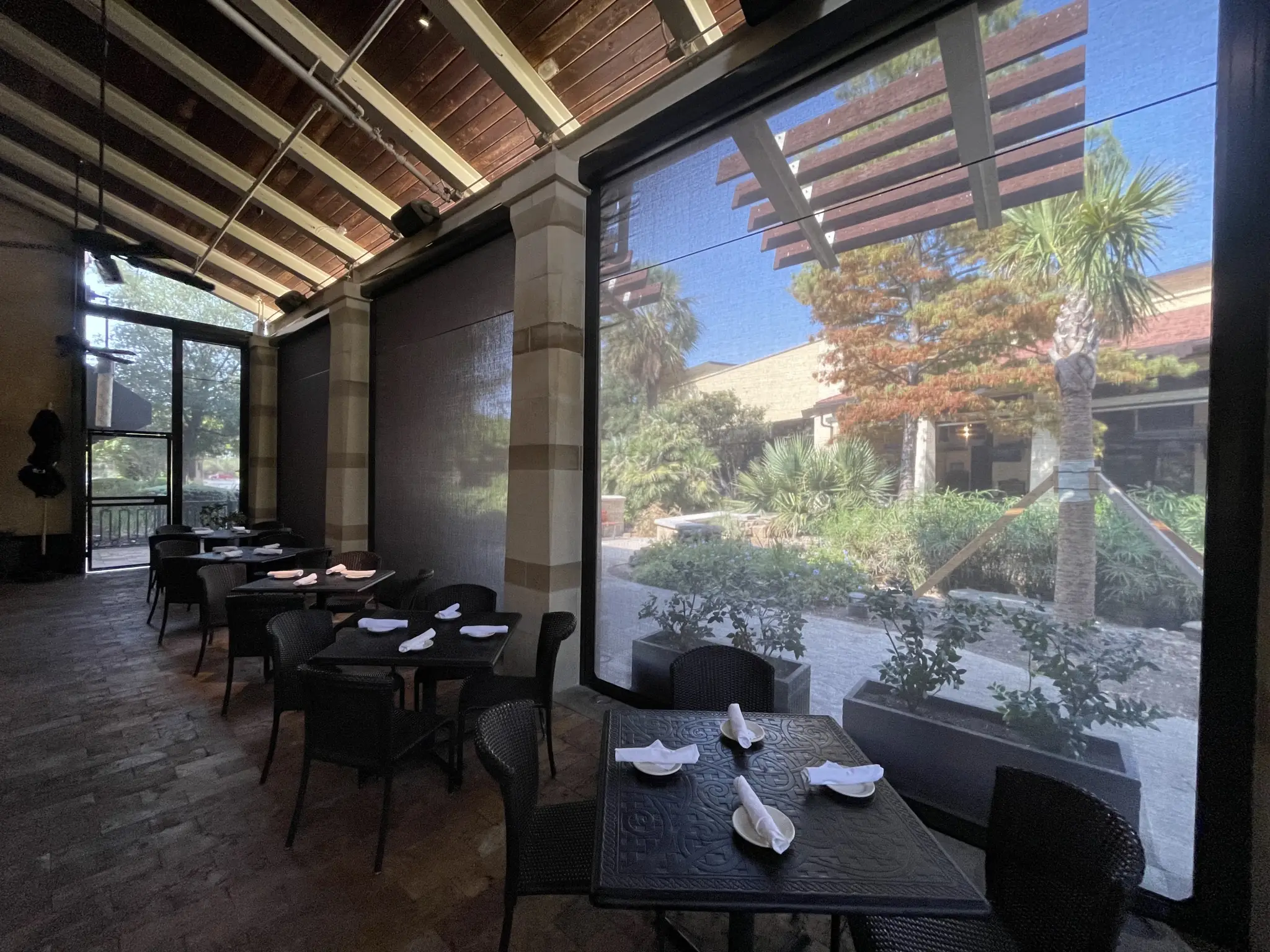
Sustainability has also influenced the growing importance of outdoor dining spaces. Open-air environments reduce dependence on heavily conditioned interiors while supporting more climate-responsive hospitality models.
Many luxury hospitality projects now integrate:
- Locally sourced materials reflecting regional identity
- Native landscaping reducing water consumption
- Natural ventilation strategies minimizing energy use
- Farm-to-table culinary concepts connected to outdoor gardens
- Open-air structures requiring fewer enclosed interventions
These elements strengthen the relationship between hospitality, environment, and local culture.
Rooftop Dining and Urban Hospitality
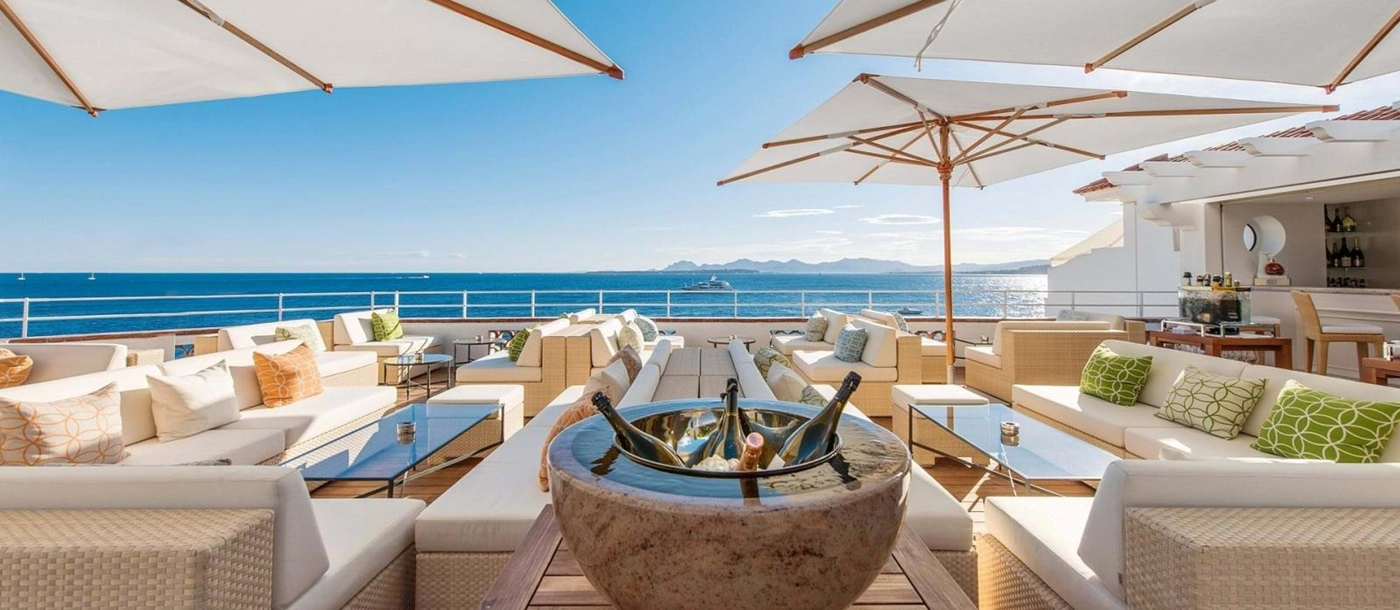
In cities, rooftop dining spaces have become some of the most desirable environments within luxury hospitality. Elevated terraces provide openness, skyline views, and a sense of escape from dense urban surroundings.
Urban rooftop restaurants often combine pools, lounges, bars, and dining terraces into multifunctional hospitality destinations. This blending of uses reflects how contemporary hospitality increasingly values fluid and immersive outdoor experiences.
For architects and outdoor designers, rooftop dining presents opportunities to redefine urban luxury through atmosphere and spatial layering.
The Future of Outdoor Dining Spaces
As hospitality continues to evolve, outdoor dining spaces will become even more influential in shaping guest expectations and architectural identity. Future projects are likely to emphasize sustainability, wellness, and environmental immersion more strongly than ever before.
Emerging trends include:
- Fully integrated indoor-outdoor restaurant concepts
- Greater use of biophilic design principles
- Flexible dining layouts adaptable to multiple uses
- Advanced climate-responsive shading systems
- Stronger integration between culinary and landscape experiences
These directions suggest that outdoor dining will remain central to the future of luxury hospitality design.
Conclusion
Outdoor dining spaces have become essential in luxury hospitality because they redefine how guests experience architecture, food, and social interaction. Through climate-responsive design, landscape integration, and sensory atmosphere, these environments create immersive experiences that extend far beyond traditional restaurant interiors.
For outdoor designers, architects, and luxury design studios, this evolution presents an opportunity to rethink hospitality through the lens of outdoor living. The most successful projects will continue to merge architecture, landscape, and dining into cohesive environments where openness, comfort, and emotional connection shape the future of luxury hospitality.