

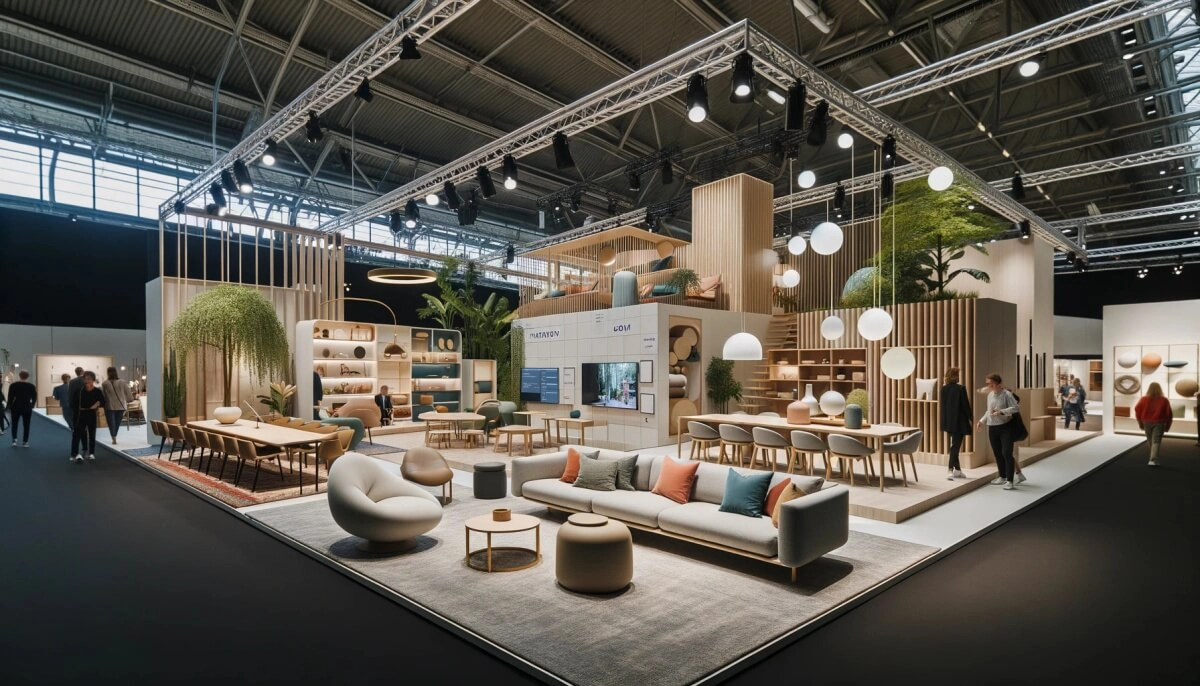
Global Design Fairs are no longer just commercial exhibition spaces for the industry. Today, events like Salone del Mobile and Maison&Objet serve as the ultimate stages for redefining outdoor elegance. As the boundary between interior comfort and exterior landscapes blurs, these platforms showcase the absolute peak of modern, handcrafted open-air living.
However, high visibility on international stages brings significant legal risks for independent creators. While Design Fairs inspire the global market, they also expose original pieces to immediate unauthorized copying. Therefore, establishing strong author rights and intellectual property strategies is now a vital part of launching any new outdoor collection.
The Evolution of Luxury Outdoor Spaces
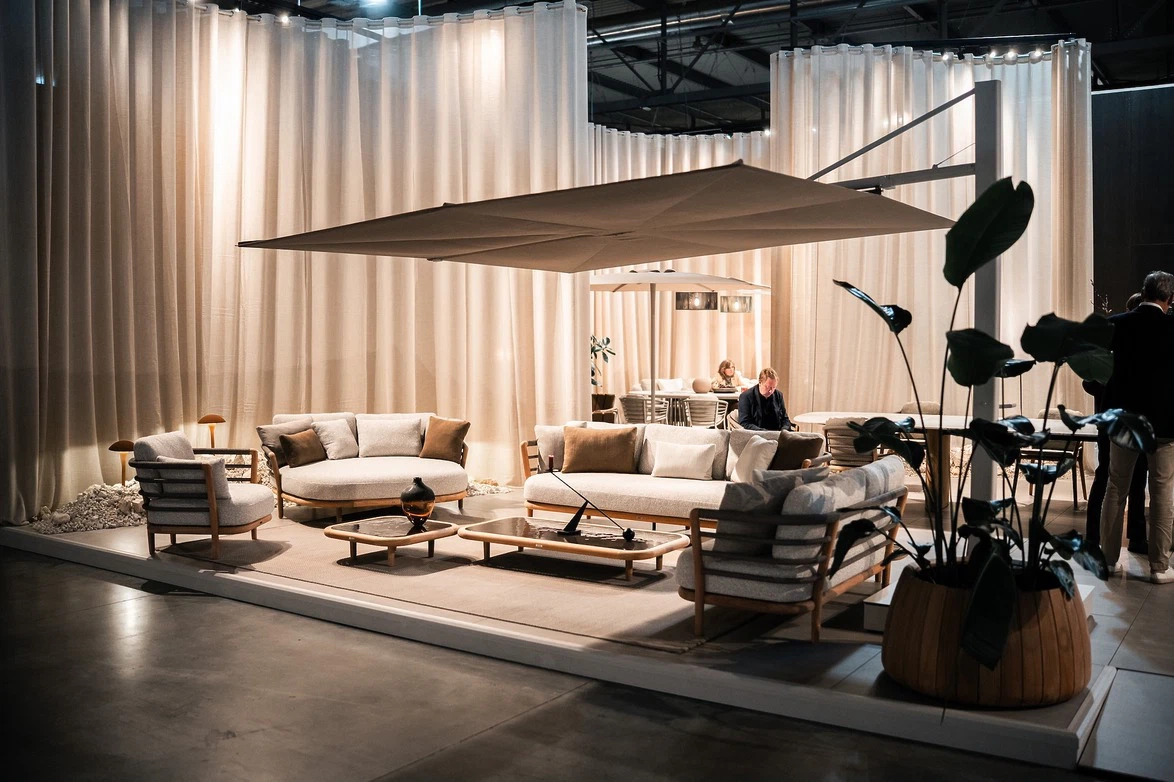
Modern outdoor living demands the same level of sophistication, textile innovation, and structural complexity as indoor luxury. At major Design Fairs, brands showcase how ancestral Mediterranean weaving techniques can merge with sustainable, weather-resistant materials. This creative fusion creates highly valuable assets for an independent design brand.
Consequently, protecting the visual and functional “DNA” of these outdoor furniture collections is essential for maintaining market exclusivity. When an artisan spends months developing a new ergonomic shape, that shape deserves robust legal boundaries. Without protection, the unique identity of the collection can be lost in the mass market instantly.
The Threat of Fast-Design Replicas
The digital nature of modern exhibitions means that a new design can be photographed and copied within hours. Industrial mass-producers frequently visit Design Fairs specifically to find premium trends they can replicate cheaply. This rapid plagiarism dilutes the cultural and financial value of authentic craftsmanship over time.
By enforcing strict copyright and design registrations before the fair begins, designers can legally defend their work against fast-design exploitation. It creates a necessary barrier against companies looking to profit off someone else’s creative labor. Legal preparation acts as a shield in a highly competitive digital landscape.

Implementing a Proactive Legal Strategy
For an artisan or luxury brand, a successful exhibition requires more than an attractive booth layout. Designers must adopt a defensive stance by registering their shapes, patterns, and technical utility assets globally. Presenting a collection at international Design Fairs without prior legal protection is a critical business vulnerability.
A clear intellectual property framework allows creators to sign distribution contracts with galleries from a position of absolute strength. It changes the dynamic between the independent maker and large manufacturing corporations. Ultimately, legal readiness ensures that the commercial rewards of innovation go to the rightful author.
Conclusion: Preserving Creative Legacies
Protecting author rights at international events ensures the economic survival of authentic design traditions. When the law safeguards the “hand of the maker,” it guarantees that luxury consumers receive true, certified originality. Design Fairs must remain spaces of genuine innovation rather than catalogs for mass imitation.
Prioritizing legal safety allows the industry to continue pushing the boundaries of outdoor elegance safely for decades. It fosters a healthier creative ecosystem where original ideas are valued, respected, and properly compensated. Safeguarding authorship is the only way to guarantee a brilliant future for contemporary craft.