
For landscape architects and outdoor designers, attending global design fairs is not simply about trend observation—it is a strategic investment in creative development. These events gather leading brands, emerging designers, and material innovators under one roof, offering a comprehensive view of the design industry.
From furniture and lighting to materials and technology, global fairs provide access to ideas that shape the future of outdoor environments. For professionals working in luxury projects, this exposure is essential to remain competitive and deliver forward-thinking design solutions.
Key Benefits of Attending Global Design Fairs
Landscape architects gain a wide range of advantages from participating in international design events:
- Access to cutting-edge materials and technologies
- Direct interaction with manufacturers and design brands
- Exposure to emerging global design trends
- Opportunities for networking and collaboration
- Insight into consumer preferences and lifestyle shifts
These benefits make global design fairs indispensable platforms for both inspiration and professional growth.
Discovering New Materials and Innovations
One of the most compelling reasons to attend global design fairs is the opportunity to discover new materials. Landscape architecture increasingly relies on advanced materials that combine durability with aesthetic appeal.
At these events, designers can explore innovations such as high-performance outdoor fabrics, sustainable composites, and weather-resistant finishes. Seeing these materials in person allows professionals to evaluate texture, color, and performance—critical factors that cannot be fully understood through digital catalogs.
Material Categories Commonly Explored at Design Fairs
Designers typically focus on several material categories when attending fairs:
- Natural materials such as stone, wood, and clay
- Engineered surfaces like ceramics and composites
- Outdoor textiles designed for durability and comfort
- Sustainable materials with reduced environmental impact
- Innovative finishes enhancing longevity and aesthetics
These materials play a crucial role in shaping contemporary outdoor environments.
Observing Global Design Trends in Real Time
Global design fairs serve as real-time indicators of where the industry is heading. Rather than relying on reports or forecasts, landscape architects can directly observe how trends are being interpreted by designers and brands.
From color palettes to spatial concepts, these trends influence how outdoor environments are conceived. For luxury design studios, understanding these shifts is essential to creating spaces that feel current while maintaining a timeless quality.
Key Trends Identified at Global Design Fairs
Recent editions of global design fairs have highlighted several important trends:
- Blurring of indoor and outdoor living spaces
- Increased focus on sustainability and eco-conscious design
- Growth of modular and flexible furniture systems
- Integration of smart technology in outdoor environments
- Emphasis on craftsmanship and artisanal production
These trends continue to shape the direction of landscape architecture and outdoor design.
Networking and Collaboration Opportunities
Another major advantage of attending global design fairs is the opportunity to build professional relationships. These events bring together designers, architects, manufacturers, and developers from around the world.
For landscape architects, this environment fosters collaboration and opens doors to new projects. Whether connecting with furniture brands or material suppliers, these interactions often lead to long-term partnerships that enhance the quality and scope of design work.
Types of Professional Connections Made at Design Fairs
Attendees can establish relationships with:
- Furniture and product manufacturers
- Material suppliers and fabricators
- Fellow architects and design studios
- Hospitality and real estate developers
- Emerging designers and creative talent
These connections are essential for building a strong professional network within the global design industry.
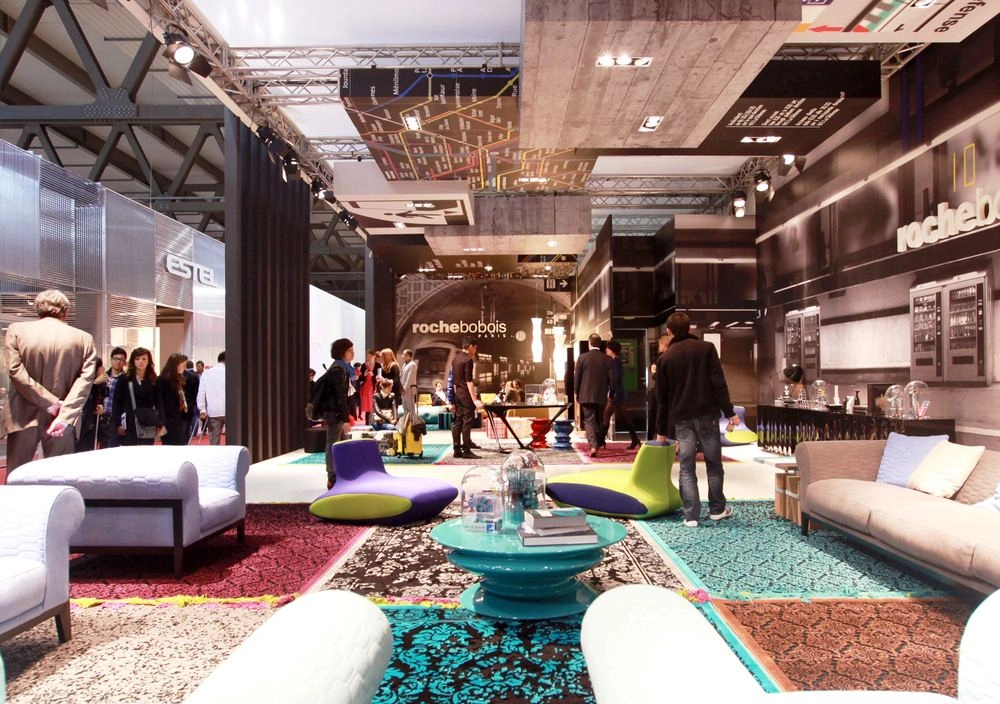
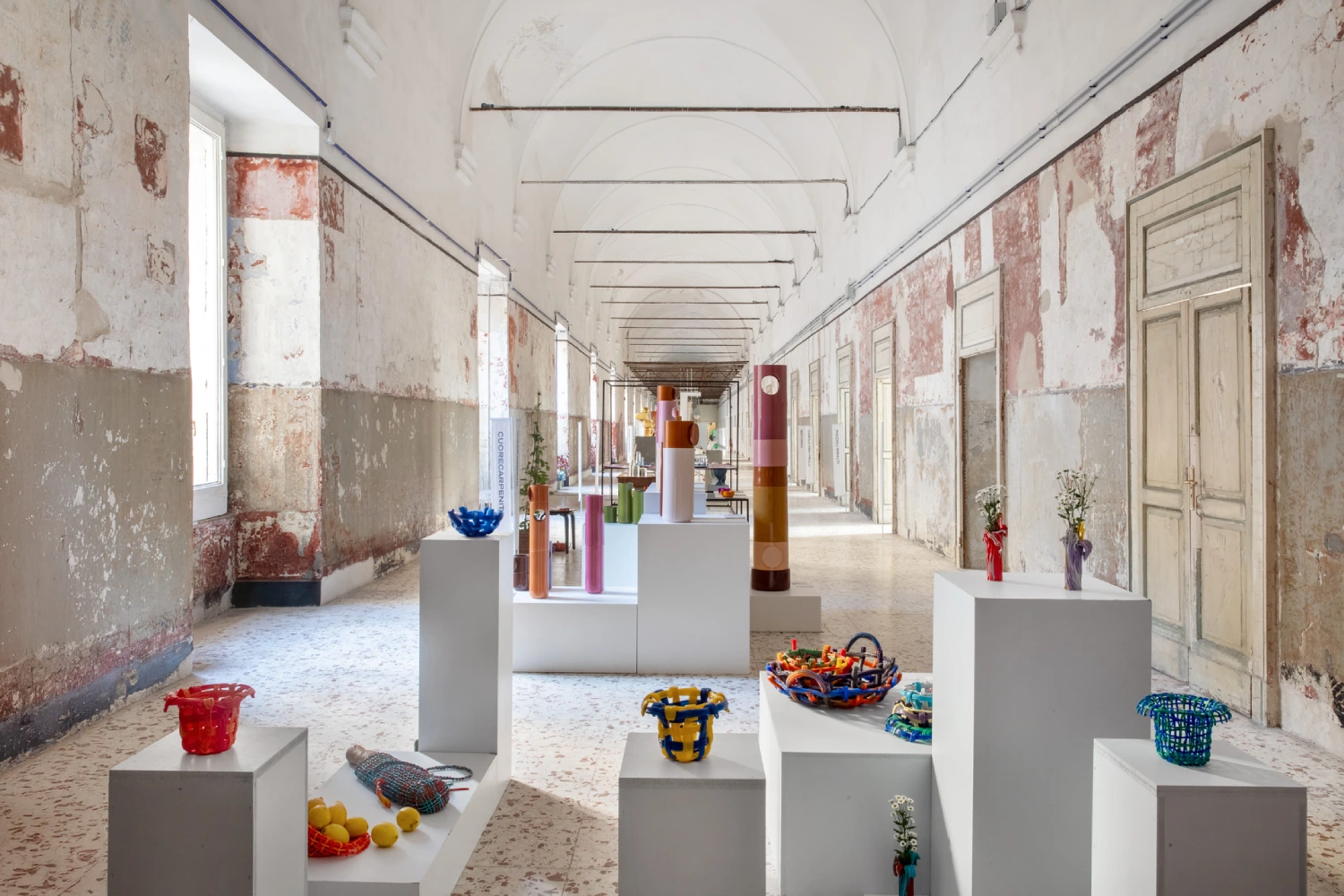
Experiencing Design Through Immersive Installations
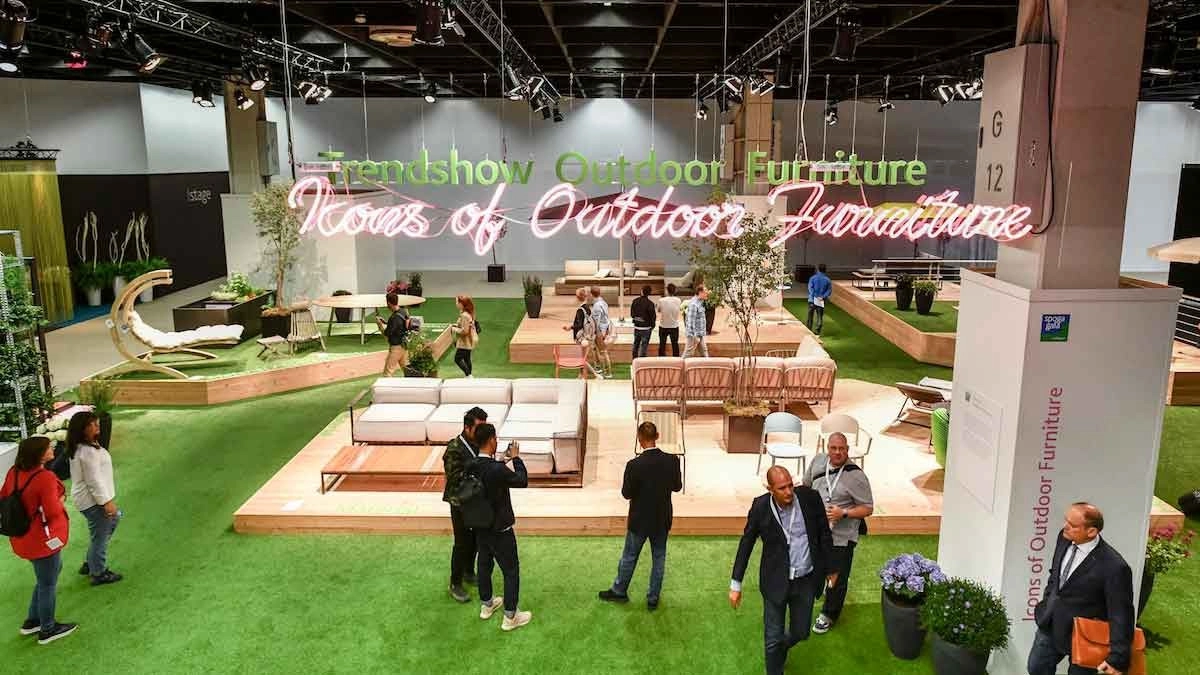
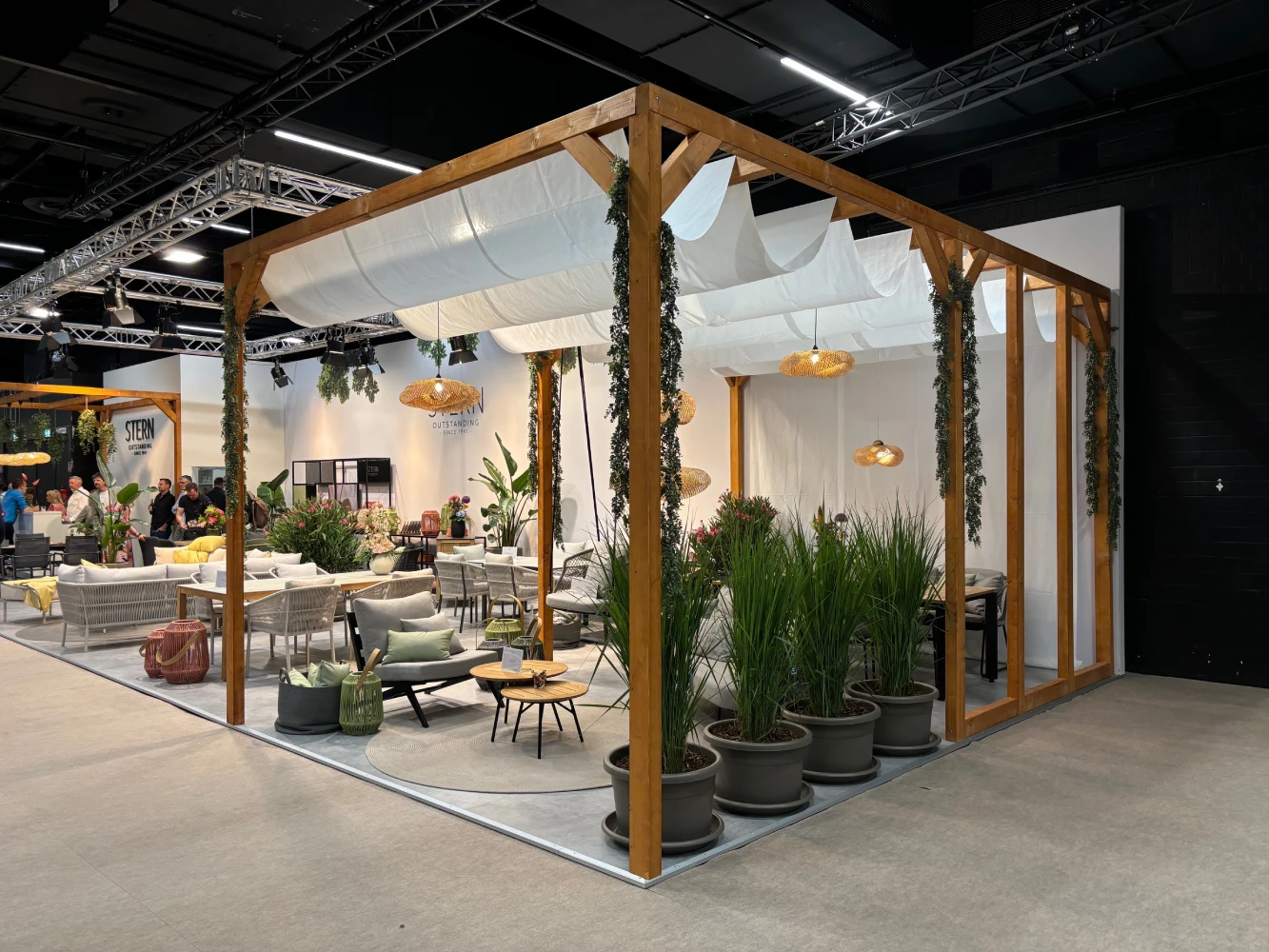
Unlike traditional showrooms, global design fairs often feature immersive installations that allow visitors to experience design concepts in a spatial context. These installations combine architecture, furniture, lighting, and materials to create fully realized environments.
For landscape architects, these experiences are particularly valuable. They provide insight into how different elements interact within a space, offering inspiration for designing outdoor environments that engage users on multiple sensory levels.
Types of Installations That Inspire Landscape Architects
Common installation formats include:
- Conceptual pavilions exploring design themes
- Outdoor living mock-ups demonstrating real-world applications
- Material-focused exhibitions highlighting innovation
- Hospitality-inspired environments showcasing user experience
- Artistic installations blending design and creativity
These environments offer a deeper understanding of spatial composition and user interaction.
Understanding Market Demand and Client Expectations
Global design fairs also provide valuable insight into market demand. By observing which products and concepts attract attention, landscape architects can better understand what clients are seeking.
Luxury clients, in particular, expect outdoor spaces that reflect the latest design innovations while maintaining exclusivity and quality. Attending fairs helps designers anticipate these expectations, enabling them to deliver projects that align with both current trends and future demands.
Market Insights Gained from Design Fairs
Professionals can identify:
- Popular product categories and design styles
- Emerging lifestyle trends influencing outdoor living
- Shifts in color, material, and form preferences
- Demand for sustainable and ethical design solutions
- Opportunities for differentiation in competitive markets
These insights inform strategic decisions in both design and business development.
Inspiration Beyond Products: Cultural and Regional Influences
One of the unique aspects of global design fairs is their ability to showcase cultural diversity. Exhibitors from different regions present design solutions influenced by local traditions, climates, and materials.
For landscape architects, this exposure broadens creative perspectives. It encourages the incorporation of global influences into projects while maintaining sensitivity to local context. This cross-cultural exchange is essential for developing innovative and meaningful outdoor environments.
Cultural Elements Observed at International Design Fairs
Designers often encounter:
- Regional craftsmanship techniques
- Traditional material applications
- Climate-responsive design strategies
- Cultural narratives expressed through design
- Unique aesthetic approaches from different regions
These elements enrich the creative process and expand design possibilities.
Enhancing Design Thinking Through Direct Experience
While digital platforms provide access to images and information, they cannot replicate the experience of physically attending global design fairs. Touching materials, observing construction details, and experiencing spatial compositions firsthand are invaluable for design professionals.
This direct engagement enhances design thinking, allowing landscape architects to make more informed decisions. It also fosters creativity by exposing designers to unexpected ideas and combinations that may not be evident through virtual research alone.
The Role of Global Design Fairs in Professional Growth
Attending global design fairs is not only about inspiration—it is also a key component of professional development. These events provide opportunities to learn, connect, and stay informed about industry advancements.
For outdoor designers and architects, continuous learning is essential in a field that is constantly evolving. By participating in these events, professionals can refine their skills, expand their knowledge, and maintain a competitive edge in the luxury design market.
Why Global Design Fairs Remain Essential
In an increasingly digital world, the relevance of global design fairs continues to grow. They offer a unique combination of inspiration, education, and networking that cannot be fully replicated online.
For landscape architects, these events are essential tools for understanding the future of outdoor design. From discovering new materials to building professional relationships, global design fairs play a crucial role in shaping the next generation of luxury outdoor environments.