
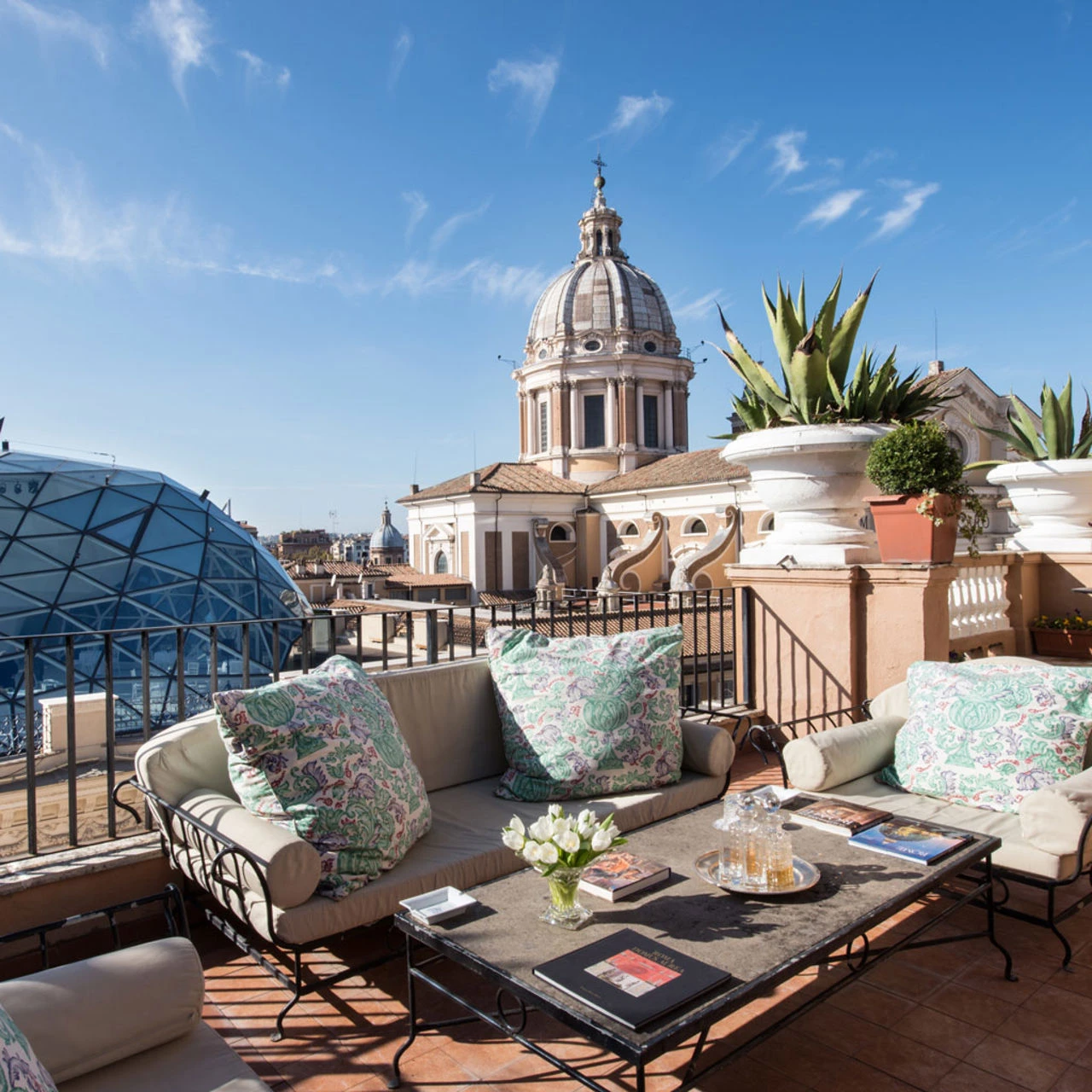
For outdoor designers, architects, and luxury design studios, hotels with panoramic outdoor terraces represent the pinnacle of experiential design. These spaces extend hospitality architecture into landscape and skyline, offering guests uninterrupted views while navigating between interior comfort and open-air environments. Whether perched above a bustling city, framed by coastal horizons, or looking over iconic natural landscapes, these terraces become vital experiential elements that enhance daily life and leisure. They exemplify how luxury hotels panoramic outdoor terraces merge architecture, landscape, and human experience into unforgettable moments.
The Hôtel Hermitage Monte‑Carlo: Mediterranean Elegance
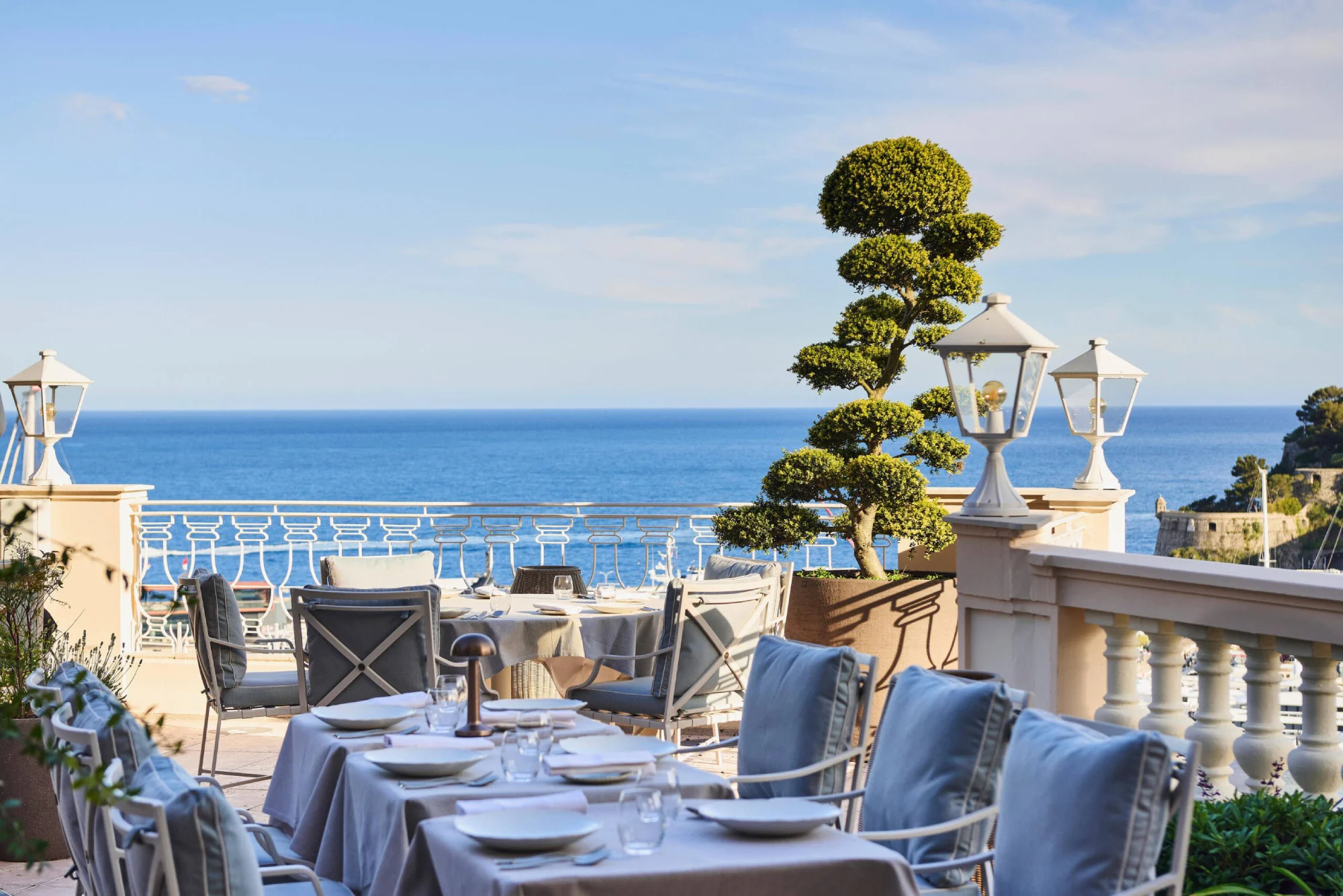
Nestled in Monte Carlo, the Hôtel Hermitage Monte-Carlo is legendary for its Belle Époque style and Mediterranean panoramas. Its outdoor terrace at the Michelin‑starred Yannick Alléno restaurant offers guests sweeping views of Monaco Harbor and the glittering sea beyond.
This terrace is more than a viewing platform—it’s a spectacle of light, water, and luxury hospitality. Outdoor seating invites dinner beneath the Côte d’Azur sky, while the terrace environment promotes a seamless connection between interior space and the Riviera’s iconic landscape. Designers often look here for spatial strategies that balance built form with dramatic coastal views.
ICONA Avalon: Atlantic Coast Views
ICONA Avalon, located in Avalon, New Jersey, embodies luxury beachside living. Perched along sandy shores, its panoramic terrace overlooks the Atlantic Ocean, inviting guests to enjoy sunrise breakfasts and sunset gatherings with unobstructed water views. These outdoor terraces integrate lounging, dining, and social interaction against the dynamic backdrop of sea and sky.
For architects, ICONA Avalon’s terrace spaces demonstrate how design can harness natural panoramas to elevate user experience. The terrace becomes both an architectural anchor and a transitional space, blurring boundaries between interior comfort and coastal spectacle.
The William Vale: Brooklyn Skyline and Beyond
The William Vale in Brooklyn, New York, offers compelling rooftop terrace views of the Manhattan skyline. Its panoramic outdoor terraces are celebrated for delivering both design sophistication and dynamic urban panoramas. At sunset, these terraces become stage for social interaction, offering an elevated perspective on one of the world’s most iconic skylines.
Designers studying this destination note how terraces can act as vertical extensions of urban life—spaces where architecture meets horizon, inviting guests to experience a sense of place that combines comfort, spectacle, and connectivity within a metropolitan fabric.
Suvretta House: Alpine Splendor Above the Trees
Perched above the St. Moritz valley, Suvretta House offers panoramic outdoor terraces with unforgettable mountain views. These terraces overlook snow‑capped peaks and alpine forests, creating immersive outdoor environments that appeal to both winter guests and summer explorers.
Luxury hotels panoramic outdoor terraces in alpine settings uniquely engage with natural topography. Designers can study how Suvretta House’s outdoor spaces integrate sightlines with leisure functions—terrace lounges, poolside relaxation, and scenic dining framed by mountain vistas—making them case studies in designing terraces with environmental resonance.
MYRIAD by SANA Hotels: River Views at Every Turn
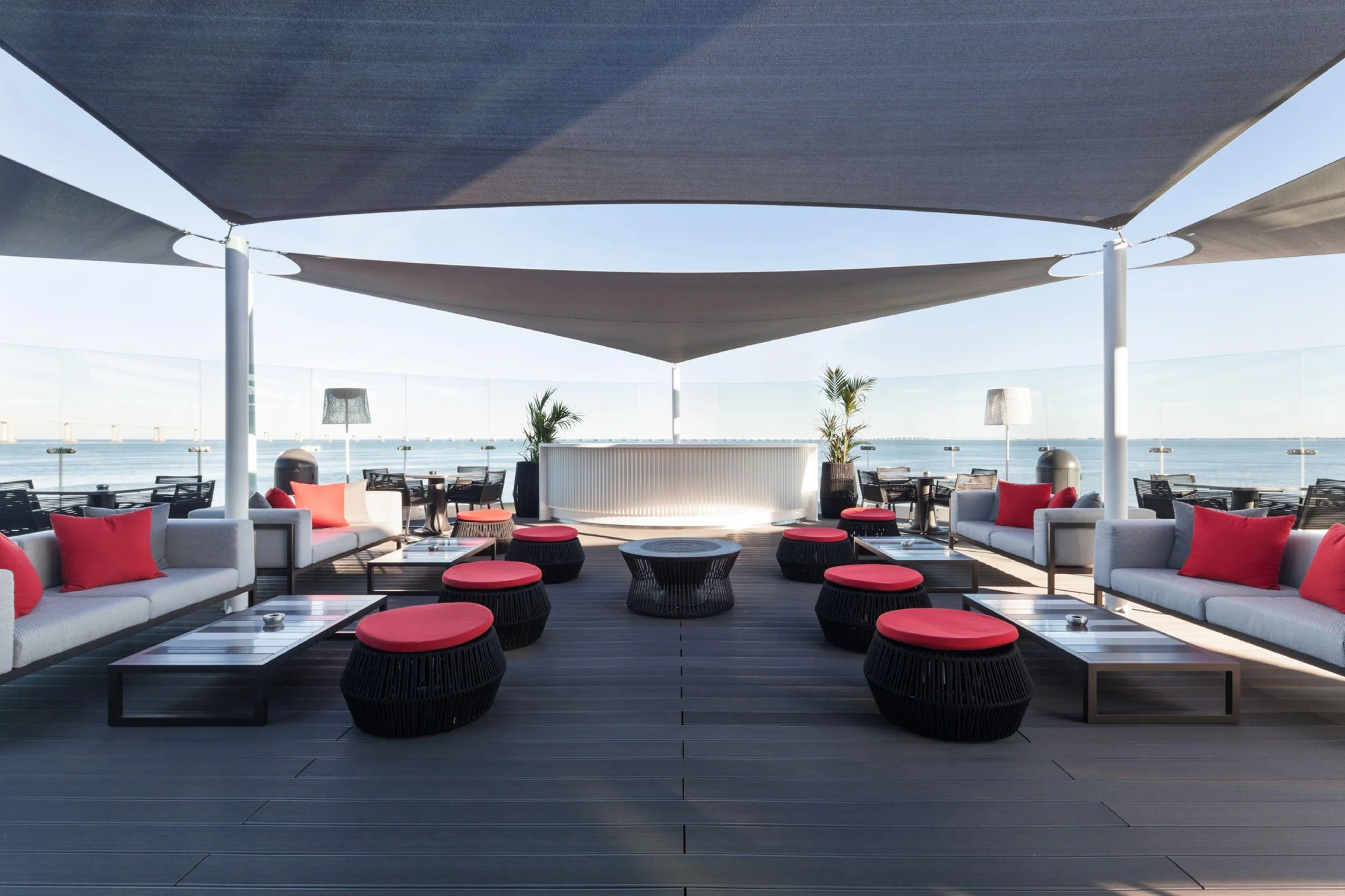
Located in Lisbon next to the Tagus River, MYRIAD by SANA Hotels offers panoramic terrace experiences that celebrate water and city frame. The hotel’s high‑level terrace provides unparalleled views that span river, skyline, and urban parkland, making it a standout destination for landscape designers and architects.
This terrace demonstrates how luxury hotels panoramic outdoor terraces can be crafted to elevate both environmental context and guest experience. Outdoor seating arrangements, open‑air dining, and reflective design materials work harmoniously to accentuate these vistas while reinforcing the hotel’s architectural presence in the city.
Elements That Define Exceptional Terrace Design
Outdoor designers and architects often evaluate panoramic hotel terraces based on several design elements:
- Alignment of terrace orientation with the best sightlines
- Materials that harmonize with landscape and climate
- Furniture and detailing designed for comfort and visual continuity
- Transitional spaces that connect interior and exterior flows
- Terraces that support both social gatherings and private experiences
Each of these features ensures outdoor terraces are not just viewing platforms but thoughtfully integrated design elements that elevate luxury hospitality environments.
Outdoor Furniture and Terrace Activation
Luxury hotels’ panoramic outdoor terraces are more than vistas; they are functional environments activated by furniture and hospitality design. Thoughtfully curated seating, dining sets, and lounge areas define how guests inhabit these spaces.
Furniture selections must balance durability with high‑end aesthetics, blending weather‑resistant materials with comfortable proportions and refined detailing. Designers often look to bespoke pieces or collaborations with luxury outdoor furniture brands to ensure continuity between terrace architecture and outdoor living concepts.
Architectural Strategies for Seamless Terrace Integration
Integrating panoramic terraces into hotel design requires strategic architectural planning:
- Terraces positioned to maximize natural light and views
- Structural transitions that make outdoor spaces readily accessible
- Use of glass, cantilevers, and open frames to blur boundaries
- Terraces designed as extensions of interior rooms or lounges
- Consideration for weather and climate protective elements
These strategies help create outdoor environments that feel like extensions of interior architecture while honoring their external setting.
Terrace Experiences That Inspire Design
At hotels such as Suvretta House or MYRIAD by SANA, panoramic terraces function as immersive experiences rather than passive overlooks. Designers activate these spaces for dining, social engagement, and relaxation—all framed by sweeping vistas that anchor guests to place.
This experiential approach reinforces that terraces should not be afterthoughts but intentional design elements woven into hotel programming. Their success depends on thoughtful spatial choreography, material cohesion, and alignment with broader architectural narratives.
Sustainability Considerations in Terrace Design
Modern terrace design in luxury hospitality also embraces sustainability. Materials chosen for durability should minimize maintenance and environmental impact, while landscape elements such as planters and green screens contribute to ecological resilience.
Innovative solutions include solar shading strategies, green roofs, and integrated planting that enhances biodiversity. These sustainable terrace features align with broader industry trends prioritizing environmental responsibility without compromising luxury.
Impact of Panoramic Terraces on Guest Experience
For guests, panoramic outdoor terraces offer more than scenic views—they provide emotional and sensory engagement with place. Whether overlooking a city skyline, coastal horizon, or alpine ridge, these terraces create memorable moments that define a stay.
Designers can harness this impact by crafting spaces that focus on sightlines, comfort, and atmosphere, ensuring that terraces become signature features of luxury hotels with panoramic outdoor terraces rather than mere amenities.
Designing with Views in Mind
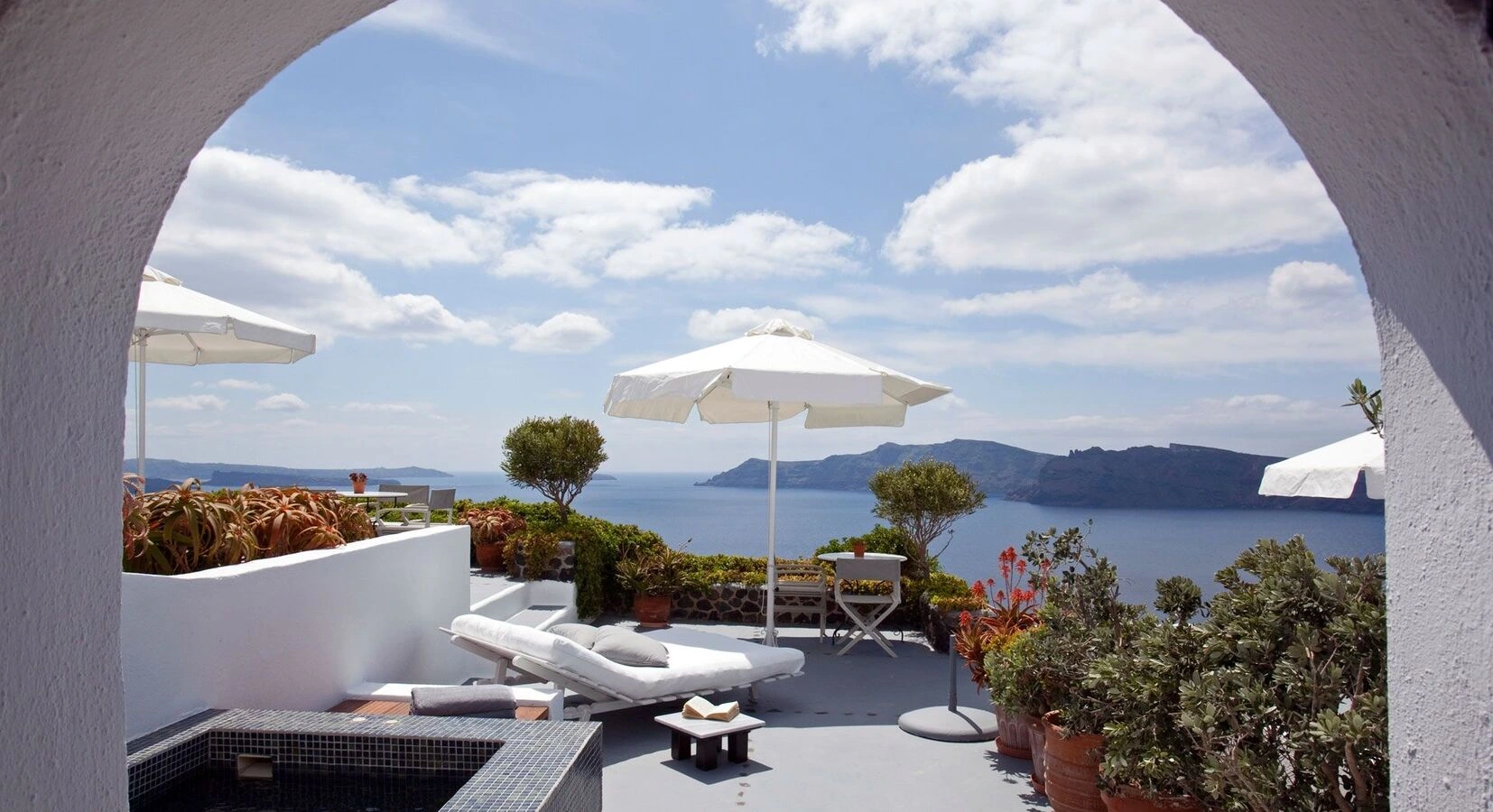
When planning panoramic terrace spaces, outdoor designers should consider:
- Orientation to capture sunrise, sunset, or specific landscape features
- Furniture layout to enhance sightlines without obstructing views
- Lighting schemes that transition terraces into evening social spaces
- Material selection supporting both durability and design harmony
- User experience goals such as dining, relaxation, or socializing
These considerations ensure terraces fulfill their potential as both functional outdoor spaces and design showpieces.
Conclusion: The Architectural Value of Panoramic Outdoor Terraces
Luxury hotels panoramic outdoor terraces represent a convergence of architecture, landscape, and experiential design. From Monte Carlo’s Riviera views to Lisbon’s river panoramas, these spaces are more than vantage points—they are carefully crafted environments that extend hospitality design into the broader context.
For outdoor designers, architects, and luxury design studios, analyzing how terraces integrate structure, sightlines, furniture, and atmosphere offers valuable insight into creating spaces that are visually stunning and functionally rich. As hospitality continues to innovate, panoramic terraces will remain essential elements shaping memorable outdoor experiences around the world.