
The global luxury design industry continues to look toward the Mediterranean for inspiration in outdoor architecture and refined open air living. Among the most influential destinations shaping contemporary exterior design, Portofino stands apart as a symbol of timeless coastal sophistication. From terraced gardens overlooking the Ligurian coastline to elegant outdoor lounges framed by historic villas, Portofino embodies a lifestyle where architecture, landscape, and furniture design exist in complete harmony.
For outdoor designers, architects, and luxury furniture brands, Portofino represents more than a picturesque Italian harbor. It offers a blueprint for contemporary Mediterranean outdoor living rooted in craftsmanship, natural materials, spatial fluidity, and relaxed luxury.
As modern residential and hospitality projects increasingly prioritize outdoor environments, the influence of Portofino continues to expand across global design markets.
Why Portofino Defines Mediterranean Luxury
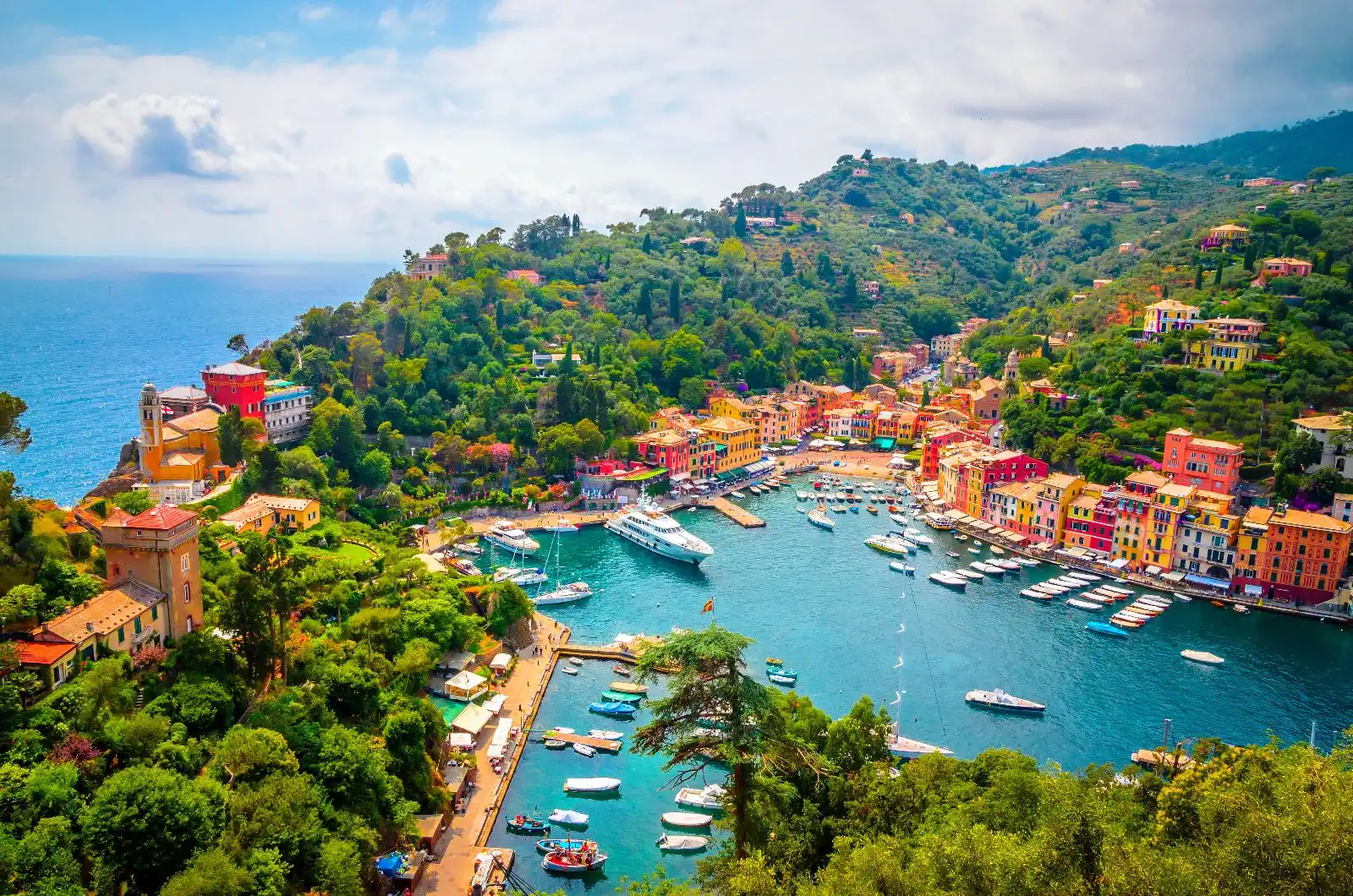
Located along the Italian Riviera, Portofino has long attracted architects, artists, designers, and international travelers drawn to its combination of natural beauty and understated elegance. Unlike more urban luxury destinations, Portofino balances intimacy with sophistication.
Its architectural identity reflects traditional Ligurian influences, featuring warm earth toned facades, stone terraces, shuttered villas, and lush gardens descending toward the sea. The surrounding landscape shapes the experience of outdoor living at every scale.
In Portofino, exterior spaces rarely function as secondary areas. Terraces, courtyards, shaded lounges, and dining spaces become essential extensions of architecture itself.
This seamless integration between indoors and outdoors now influences luxury residential and hospitality design worldwide. Architects increasingly seek to recreate the relaxed spatial atmosphere associated with Mediterranean coastal living.
Portofino demonstrates that modern luxury does not require visual excess. Instead, luxury emerges through proportion, natural light, material authenticity, and connection to the landscape.
Outdoor Living as an Architectural Experience
One of the defining characteristics of Portofino outdoor design lies in how architecture frames the surrounding environment. Villas and boutique hospitality properties often orient outdoor spaces toward panoramic sea views while preserving privacy through vegetation, stone walls, and layered terraces.
This architectural strategy creates a gradual transition between interior and exterior environments. Covered patios, pergolas, open air lounges, and shaded dining spaces encourage movement throughout the property during different times of day.
Luxury outdoor living in Portofino emphasizes atmosphere rather than rigid functionality. Spaces feel adaptable, social, and emotionally engaging.
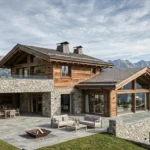
Contemporary architects increasingly apply these principles within high end residential projects around the world. Outdoor kitchens, integrated lounge areas, sculptural pools, and flexible entertainment spaces now play central roles in luxury property development.
The Portofino influence appears especially strong in coastal resorts and private villas where climate and landscape allow year round outdoor living.
Natural Materials Shape the Mediterranean Aesthetic
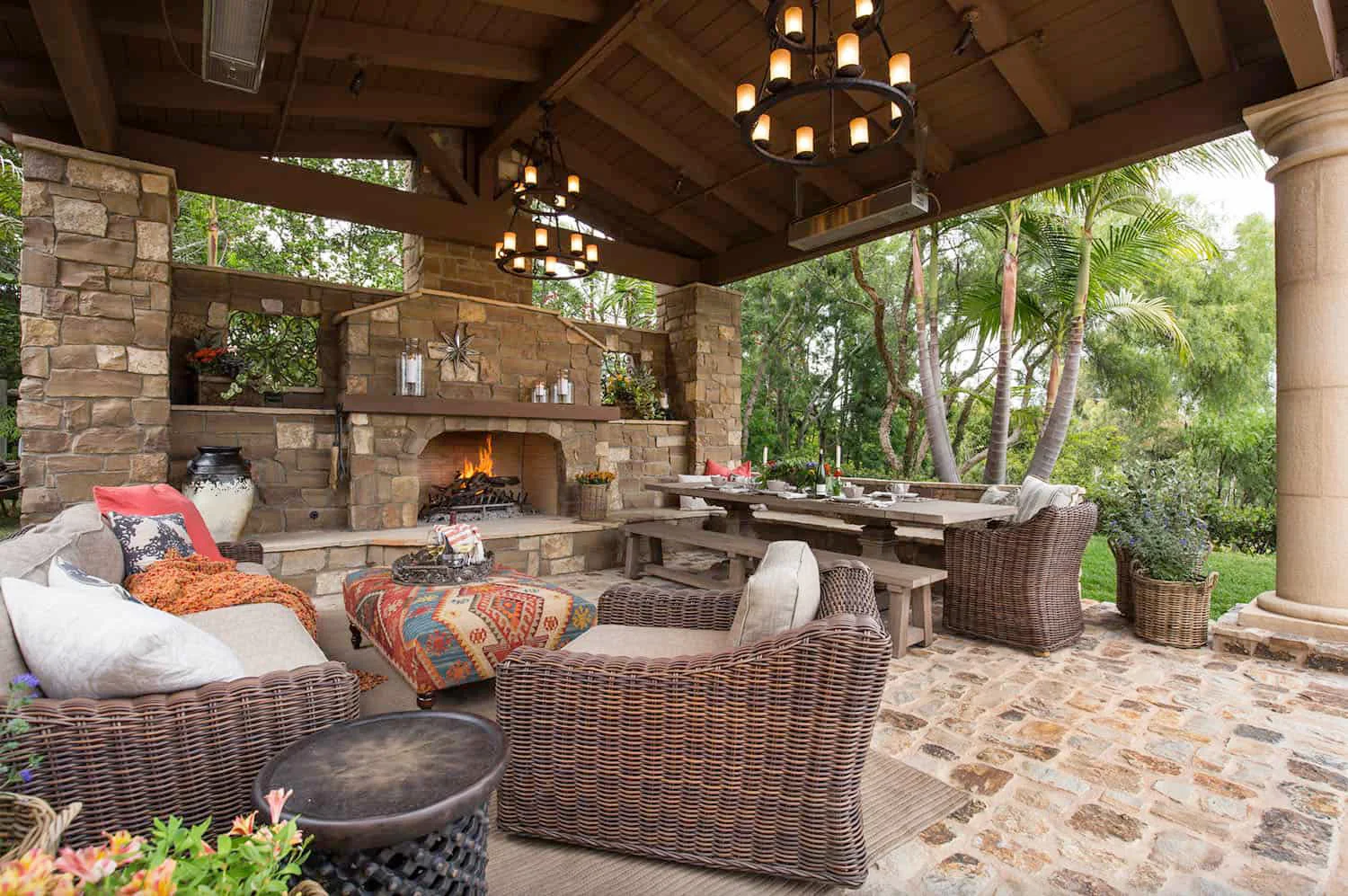
Material selection remains essential to the Portofino design identity. Mediterranean outdoor environments require surfaces and furnishings capable of aging beautifully while maintaining visual warmth and tactile richness.
Natural stone, terracotta, teak, limestone, travertine, linen, wrought metal, and handcrafted ceramics frequently define exterior spaces throughout Portofino. These materials interact naturally with sunlight, humidity, and sea air, allowing architecture to feel connected to its environment rather than isolated from it.
For luxury outdoor furniture brands, this approach highlights a growing preference for authenticity over synthetic perfection. Clients increasingly seek furniture and finishes that develop character over time.
Contemporary outdoor collections inspired by Portofino often feature soft neutral palettes, textured fabrics, organic silhouettes, and handcrafted detailing. The goal is not visual dominance but environmental harmony.
This philosophy contrasts with earlier generations of outdoor luxury design that emphasized highly polished surfaces and overly formal compositions.
Today’s Mediterranean aesthetic favors relaxed sophistication grounded in craftsmanship and comfort.
Landscape Design and Spatial Layering
Landscape architecture plays a critical role in shaping the outdoor experience in Portofino. Terraced gardens, olive trees, climbing vines, citrus plants, lavender, and native Mediterranean vegetation create sensory richness while reinforcing architectural intimacy.
Rather than relying on monumental landscaping gestures, Portofino properties often prioritize layering and texture. Stone pathways, shaded seating areas, water features, and strategically framed views encourage exploration across the property.
This layered approach strongly influences modern luxury landscape design. Outdoor designers increasingly focus on creating immersive environments that unfold gradually rather than revealing the entire space immediately.
Privacy also remains central to Mediterranean outdoor living. Vegetation and architectural elements frequently define zones without interrupting visual continuity.
For luxury hospitality projects, this spatial strategy enhances exclusivity and emotional comfort. Guests experience outdoor spaces as curated retreats rather than exposed open areas.
The Role of Outdoor Furniture in Portofino Inspired Design
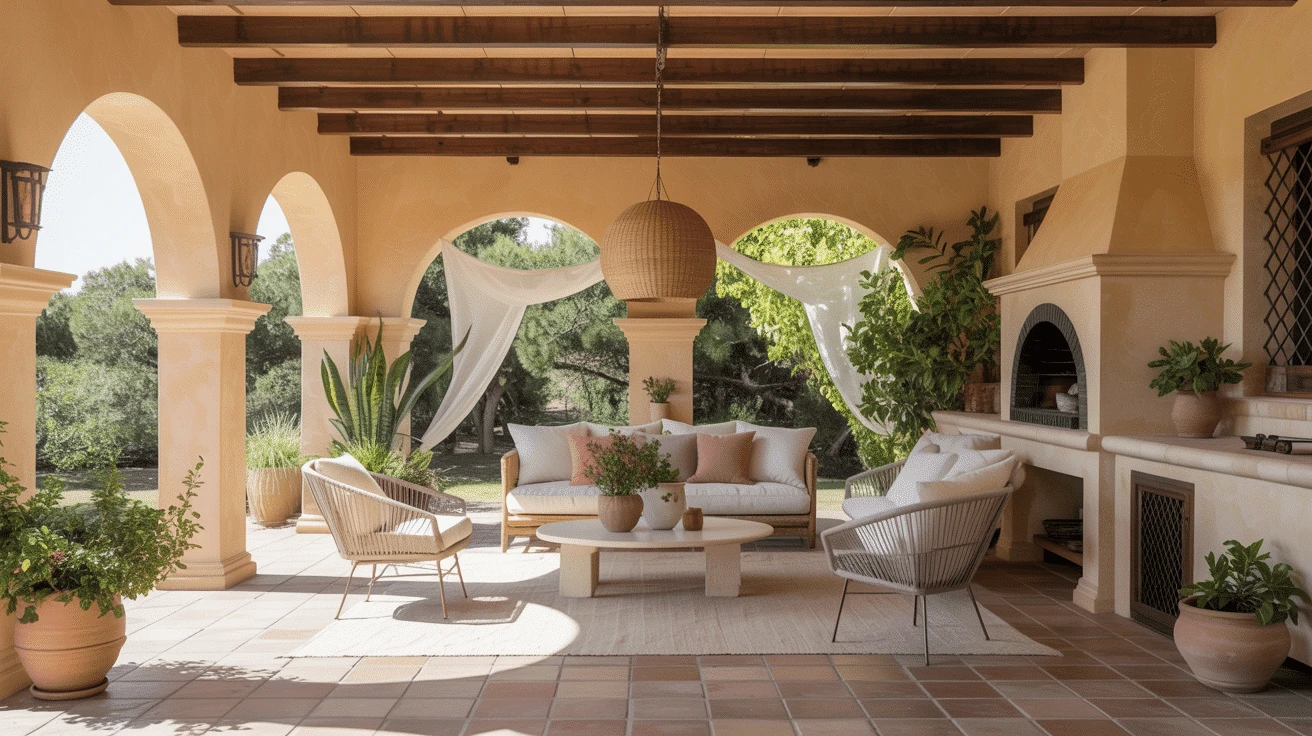
Furniture design significantly shapes the identity of Mediterranean outdoor living. In Portofino, furniture rarely appears overly decorative or aggressively contemporary. Instead, pieces prioritize elegance, comfort, and material honesty.
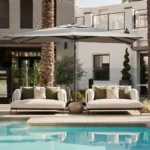
Low profile seating, woven textures, natural woods, sculptural loungers, and oversized cushions contribute to relaxed social environments. Furniture arrangements encourage conversation, dining, and extended leisure rather than formal entertaining alone.
Luxury furniture brands increasingly draw inspiration from this lifestyle centered approach. Collections designed for contemporary terraces, yachts, rooftop lounges, and resort environments often reference Mediterranean proportions and textures.
Portofino inspired outdoor furniture also reflects the growing demand for seamless transitions between indoor and outdoor aesthetics. Designers now create collections that maintain architectural coherence across both environments.
This integration becomes especially important within luxury residential projects where exterior living spaces function as fully developed extensions of the home.
Portofino’s Influence on Global Hospitality Design
The hospitality industry continues embracing Mediterranean outdoor living as travelers increasingly prioritize experiential luxury. Boutique hotels and luxury resorts frequently reference Portofino through landscape composition, outdoor dining experiences, and architectural openness.
Guests now seek emotional connection to place rather than standardized luxury aesthetics. Portofino offers an ideal model because it combines elegance with authenticity.
Open terraces overlooking the sea, intimate garden lounges, shaded cabanas, and sunset dining spaces create memorable experiences rooted in atmosphere rather than spectacle alone.
Hospitality architects and luxury design studios increasingly understand that outdoor environments shape guest perception as strongly as interior spaces. As a result, exterior architecture now receives the same level of material refinement and spatial attention traditionally reserved for interiors.
The influence of Portofino appears particularly visible in coastal hospitality developments throughout Southern Europe, the Middle East, California, and tropical resort destinations.
Sustainability and Timeless Outdoor Design
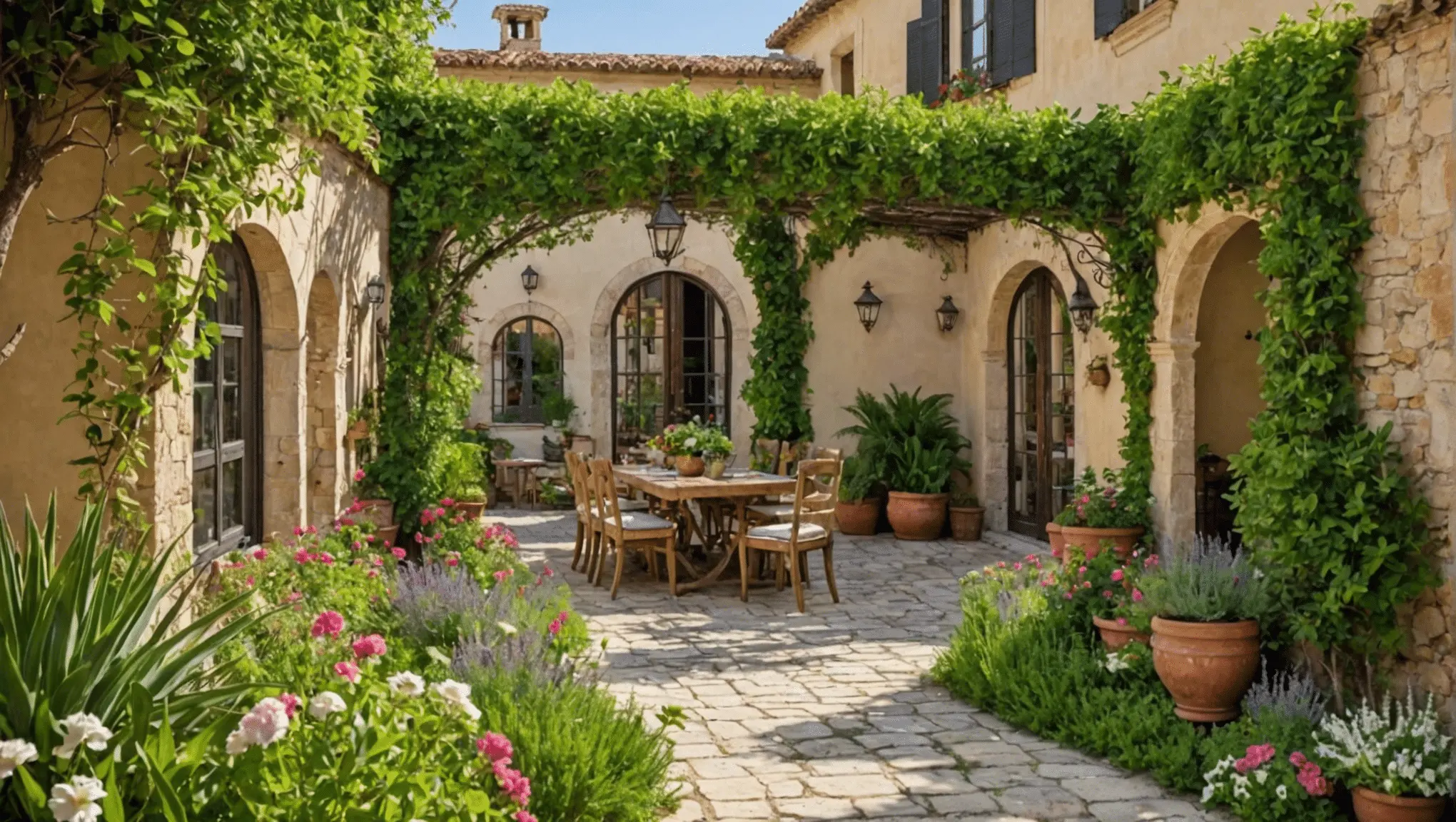
Another reason Portofino remains influential lies in its naturally sustainable design philosophy. Traditional Mediterranean architecture evolved in response to climate, sunlight, airflow, and local materials.
Shaded terraces, stone walls, cross ventilation, pergolas, and vegetation all contribute to passive environmental comfort. Contemporary architects increasingly revisit these principles as sustainability becomes central to luxury development.
Rather than depending solely on advanced technology, Portofino inspired design often prioritizes environmental responsiveness through spatial planning and material selection.
This approach aligns strongly with the future of outdoor luxury architecture. Clients and developers increasingly value longevity, durability, and environmentally sensitive construction.
Mediterranean outdoor living demonstrates how timeless architectural strategies can remain highly relevant within contemporary luxury markets.
The Future of Mediterranean Outdoor Living
The global appeal of Portofino continues growing because it represents a lifestyle rooted in balance, craftsmanship, and connection to nature. As luxury architecture evolves, outdoor spaces no longer function as optional amenities. They define how people experience residential and hospitality environments.
For outdoor designers, architects, and luxury furniture brands, Portofino offers enduring inspiration through its effortless integration of architecture, landscape, and materiality.
Modern luxury increasingly favors authenticity over excess, emotional atmosphere over visual spectacle, and timeless craftsmanship over temporary trends. Mediterranean outdoor living embodies all of these values.
Portofino remains one of the clearest expressions of how contemporary outdoor design can feel elegant, relaxed, and deeply connected to place at the same time.