
Mediterranean Travel Experiences are increasingly defined by more than beautiful coastlines and favorable climates. Today’s travelers seek destinations that combine architecture, outdoor living, cultural authenticity, and exceptional hospitality into a seamless lifestyle experience.
Across the Mediterranean region, hotels, resorts, and private retreats are redefining travel through thoughtful design. As a result, the most memorable destinations are no longer distinguished solely by location, but by the quality of the environments they create.
The Mediterranean Lifestyle as a Travel Experience
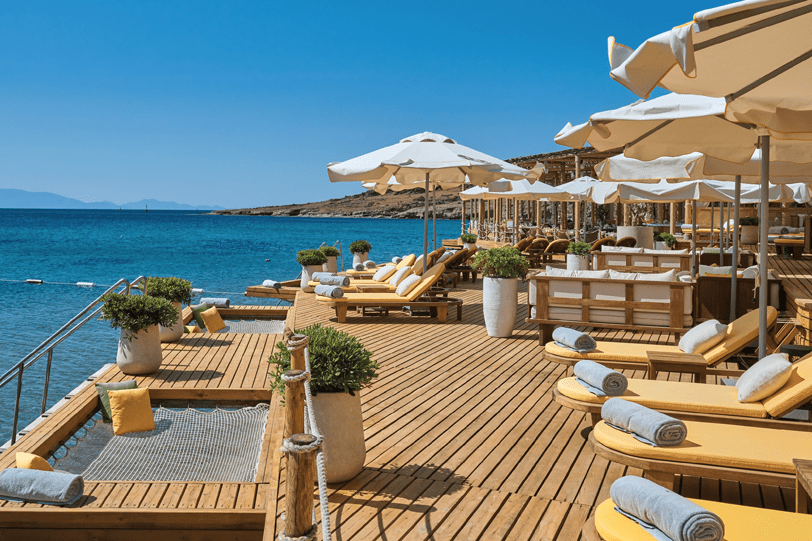
One of the greatest attractions of Mediterranean travel is its unique way of life.
Outdoor dining, walkable coastal towns, shaded terraces, and strong connections to nature create a slower and more meaningful rhythm. Moreover, visitors are increasingly attracted to destinations that prioritize wellbeing, authenticity, and human connection.
Therefore, travel becomes less about sightseeing and more about experiencing a lifestyle.
Architecture Shapes the Identity of Destinations
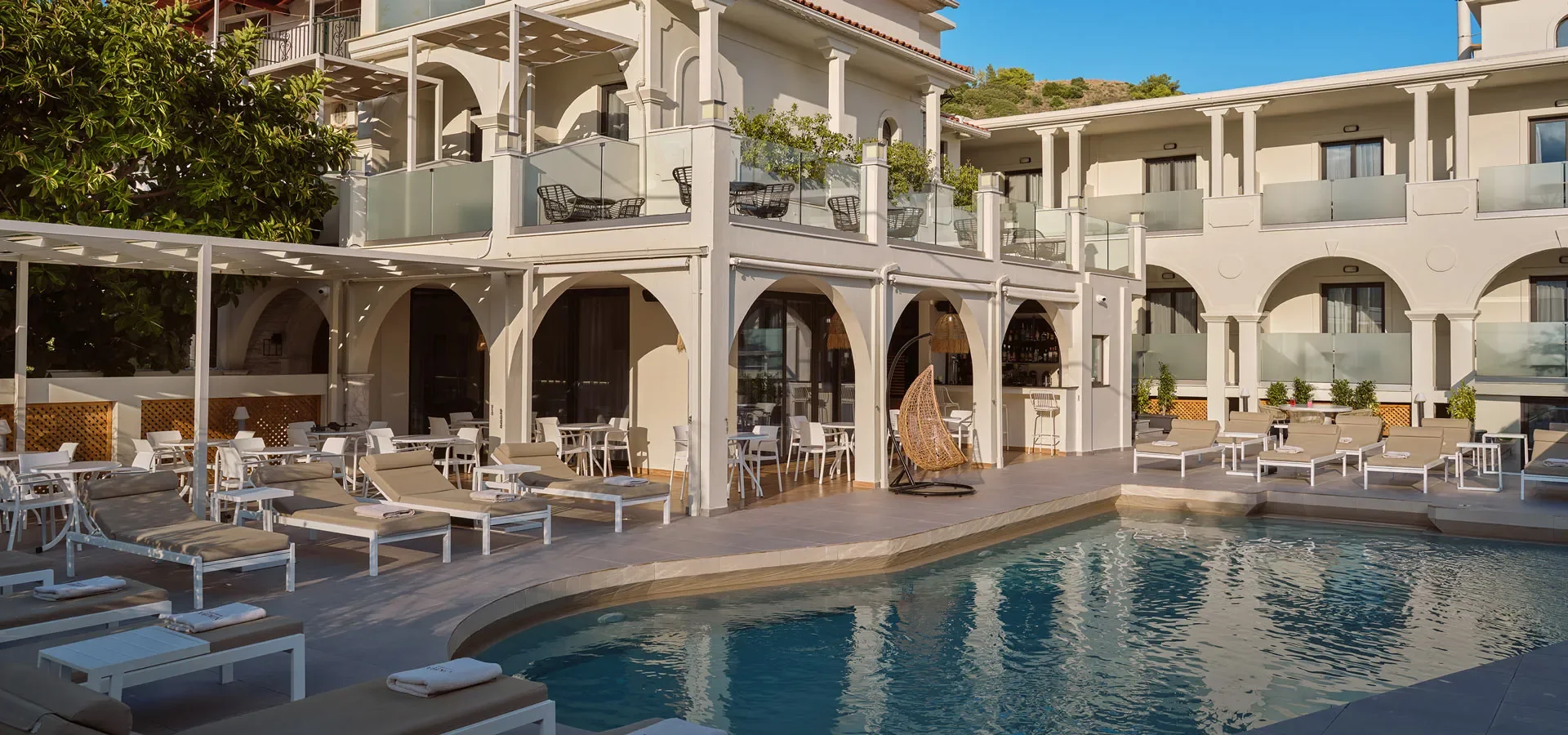
Architecture plays a crucial role in defining how travelers experience a place.
Contemporary resorts, coastal villas, and boutique hotels often draw inspiration from traditional Mediterranean principles such as natural ventilation, local materials, and seamless indoor-outdoor transitions. Furthermore, these architectural choices create environments that feel connected to their surroundings.
As a result, design becomes an essential part of the travel experience rather than simply a visual feature.
Outdoor Living Defines Modern Hospitality
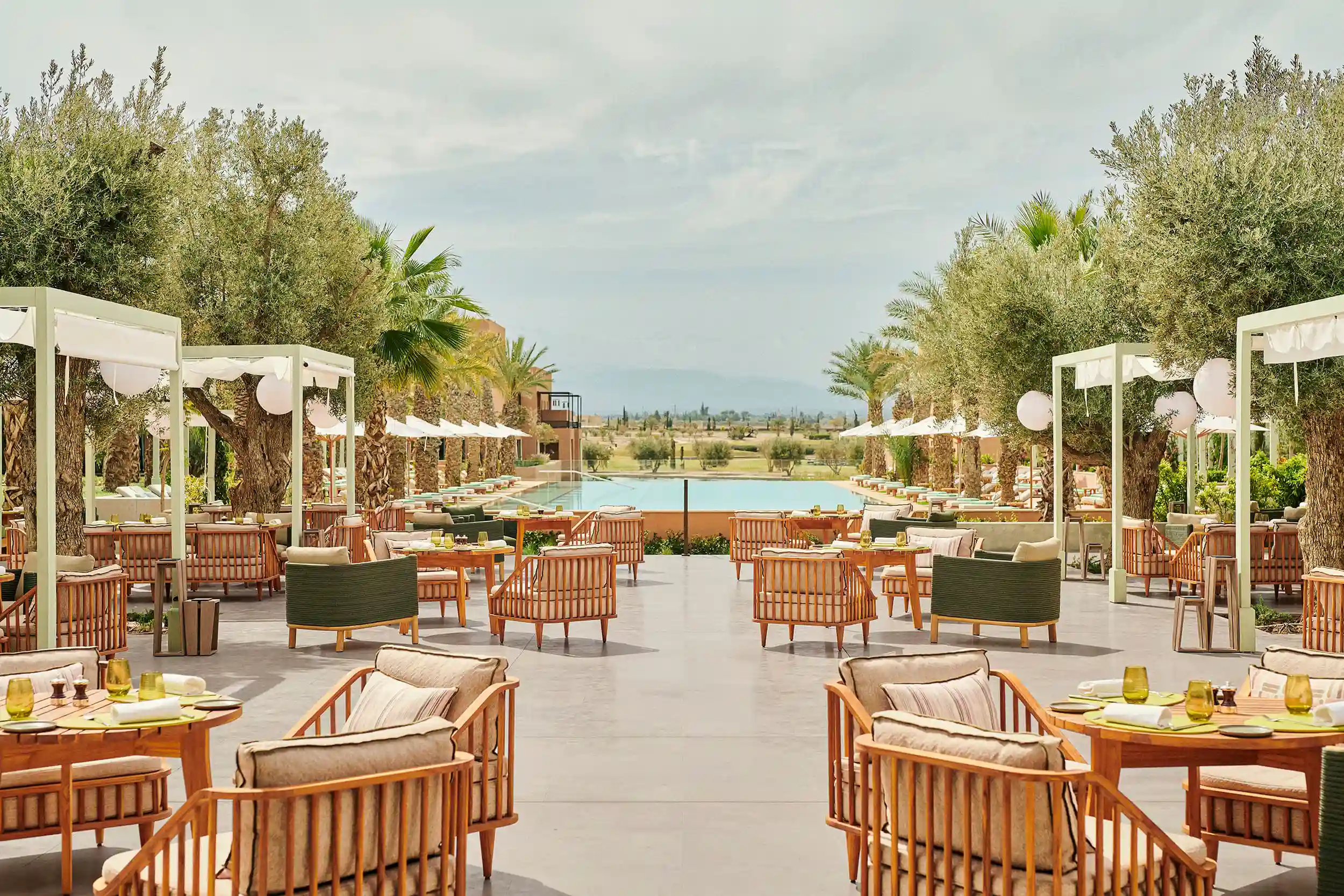
Outdoor spaces have become one of the most valuable elements of contemporary hospitality.
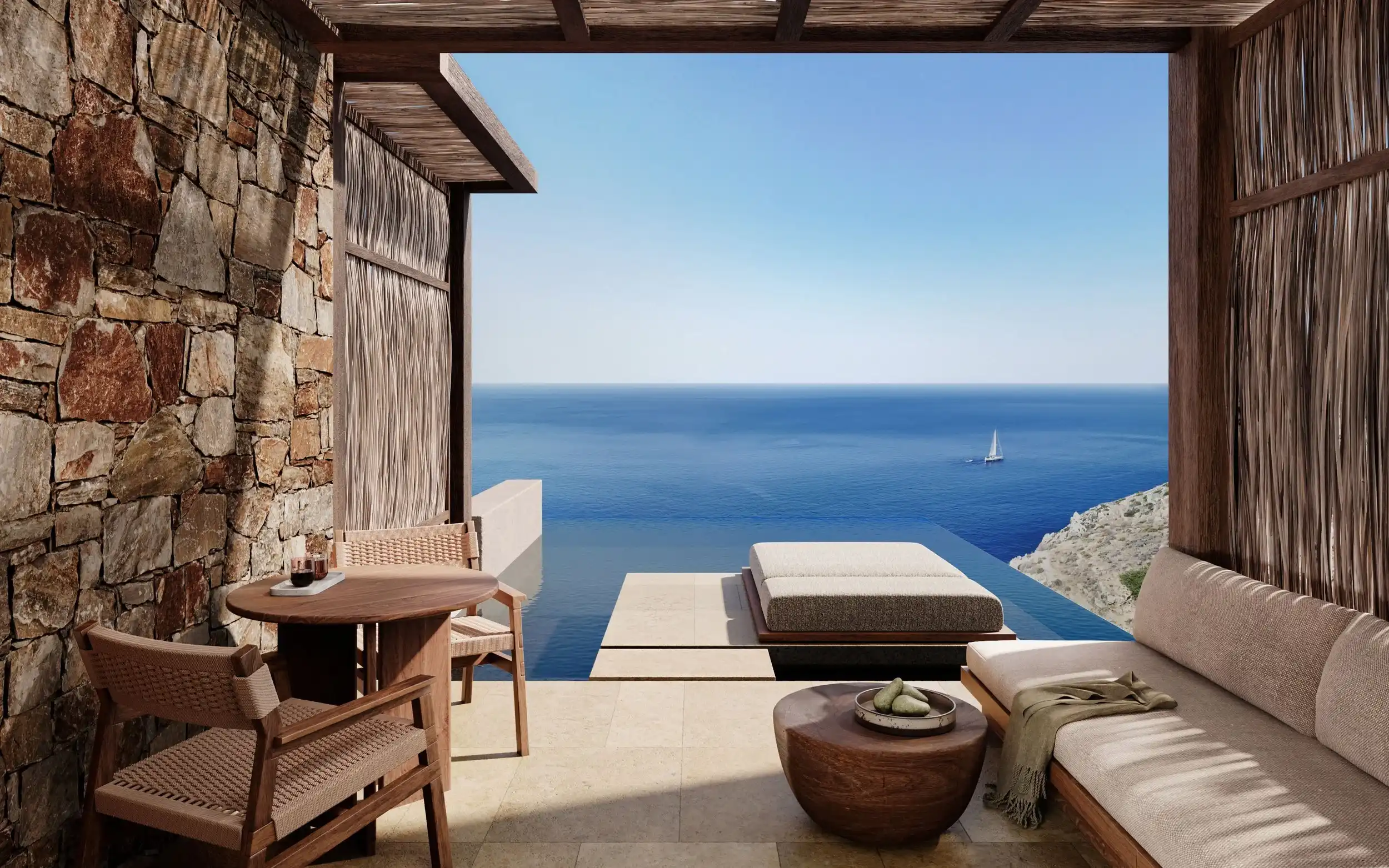
Terraces overlooking the sea, open-air lounges, rooftop spaces, and landscaped courtyards allow guests to experience the environment in a more immersive way. In addition, outdoor living areas create opportunities for relaxation, social interaction, and connection with nature.
Consequently, many of the region’s most successful hospitality projects place outdoor design at the center of the guest experience.
Natural Materials Create Authentic Experiences
Mediterranean destinations are increasingly embracing natural materials to reinforce authenticity.
Stone, terracotta, wood, linen, and handcrafted finishes reflect local traditions while creating timeless environments. Moreover, these materials establish a visual and emotional connection between architecture and landscape.
Therefore, travelers experience spaces that feel genuine rather than standardized.
Wellness and Slow Travel
A growing number of travelers are prioritizing wellbeing when selecting destinations.
Resorts and retreats now integrate wellness gardens, outdoor spas, meditation spaces, and nature-focused experiences into their offerings. Furthermore, slower travel encourages visitors to engage more deeply with local culture and environment.
As a result, luxury travel is evolving toward quality of experience rather than quantity of activities.
The Influence of Coastal Design
The Mediterranean coastline continues to inspire architects and designers around the world.
Large terraces, panoramic views, shaded outdoor areas, and strong relationships between buildings and landscape have become defining features of premium hospitality projects. In addition, these principles create environments that maximize comfort while celebrating natural surroundings.
Consequently, coastal design remains one of the most influential aspects of Mediterranean travel.
Craftsmanship and Local Culture
Travel experiences become more meaningful when they reflect local identity.
Artisan ceramics, traditional stonework, handcrafted textiles, and regional building techniques contribute to a strong sense of place. Moreover, travelers increasingly appreciate destinations that preserve cultural heritage while embracing contemporary design.
Therefore, craftsmanship remains a powerful element in creating memorable hospitality environments.
The Future of Mediterranean Travel Experiences
The future of travel in the Mediterranean will be shaped by sustainability, design, and authentic living.
Travelers are seeking destinations that offer meaningful experiences, responsible development, and stronger connections with nature. Furthermore, hospitality brands are increasingly investing in architecture and outdoor environments that enhance both wellbeing and environmental awareness.
As a result, the most successful destinations will be those that combine timeless design with contemporary expectations.
Conclusion
Exceptional destinations are remembered not only for where they are located but for how they make people feel.
Through architecture, outdoor living, craftsmanship, and hospitality, Mediterranean destinations continue to create experiences that inspire long after the journey ends.
Ultimately, the future of travel belongs to places that successfully combine nature, design, and authentic lifestyle into a single unforgettable experience.