

Across global hospitality design, the most compelling luxury destinations are no longer defined solely by their interiors. Instead, the Top 5 Seaside Hotels today distinguish themselves through immersive outdoor environments where architecture, landscape, and furniture design converge. For outdoor designers, architects, and luxury design studios, these properties offer valuable insight into how exterior spaces can shape the overall guest experience.
Positioned along dramatic coastlines, these hotels transform terraces, gardens, and pools into extensions of their architectural identity. Moreover, they demonstrate how thoughtful outdoor design enhances both emotional engagement and spatial continuity. From the Mediterranean to Southeast Asia, each destination reveals a unique approach to integrating landscape and luxury living.
The Evolution of Seaside Hospitality Design
Seaside hotels have evolved far beyond traditional resort typologies. Historically, design emphasis was placed on interior comfort and visual proximity to the ocean. However, contemporary projects now prioritize outdoor spatial experiences as central design drivers.
This shift reflects changing guest expectations. Travelers increasingly seek environments that immerse them in nature while maintaining high levels of comfort and refinement. As a result, outdoor terraces, infinity pools, and landscaped pathways are designed with the same rigor as interior spaces.
For designers, this evolution underscores the importance of treating exterior environments as integral architectural components. The most successful seaside hotels create seamless transitions between built form and coastal landscape.
Belmond Hotel Caruso
A Terraced Masterpiece Above the Amalfi Coast
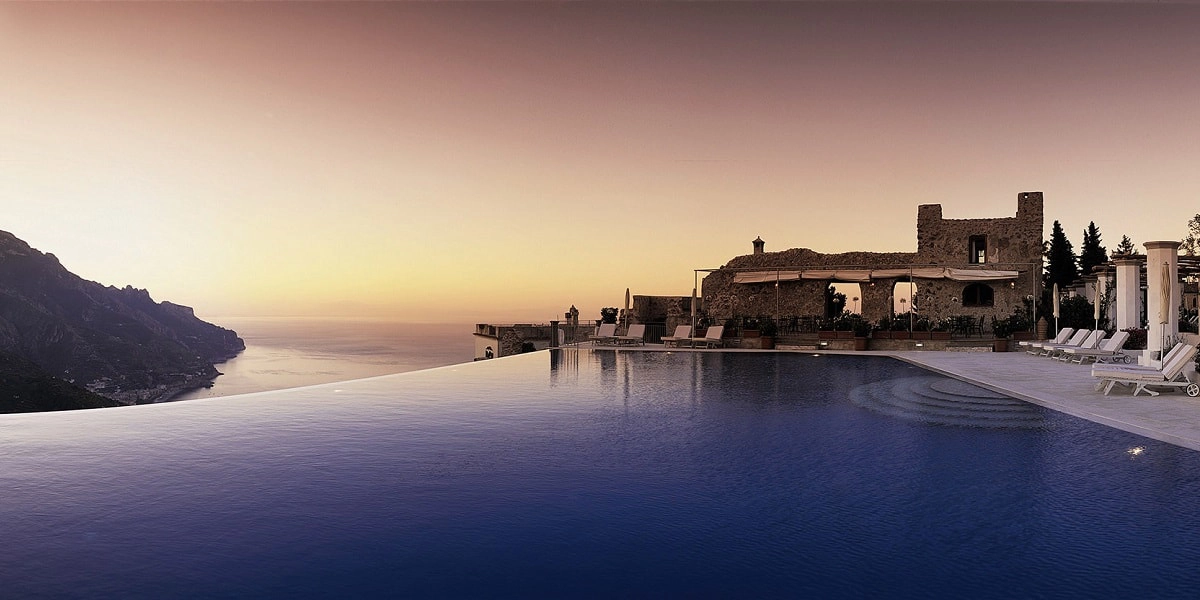
Perched high above the Mediterranean, Belmond Hotel Caruso exemplifies how historic architecture can be enhanced through refined outdoor design. The property’s terraced layout follows the natural contours of the hillside, creating a sequence of panoramic viewpoints.
Key design features include:
- Infinity-edge pool aligned with the horizon
- Layered gardens with Mediterranean planting
- Stone terraces that reflect local material traditions
- Shaded pergolas for outdoor dining and relaxation
- Framed vistas that guide the visual experience
Together, these elements transform the landscape into a central feature of the guest journey, reinforcing the hotel’s timeless elegance.
Amanpuri
Minimalist Luxury in a Tropical Setting
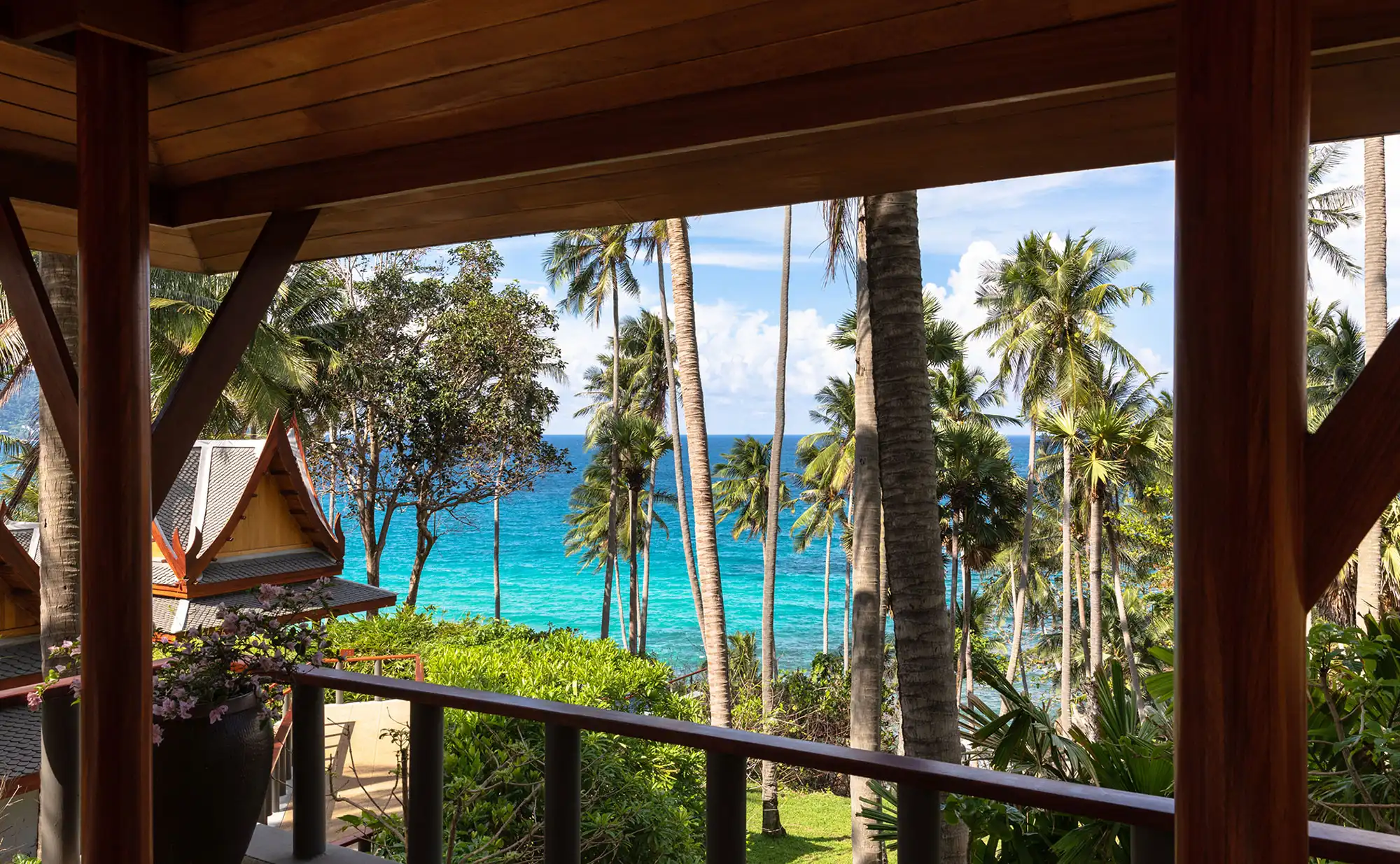
Amanpuri represents a masterclass in understated luxury, where outdoor spaces define the essence of the experience. Set within a coconut grove overlooking the Andaman Sea, the design emphasizes tranquility and spatial clarity.
Architecture and landscape work in harmony to create a sense of retreat. Open pavilions, reflective water features, and carefully framed views establish a calm, immersive environment. Furthermore, the restrained material palette enhances the connection between built form and nature.
For outdoor designers, Amanpuri demonstrates how minimalism can elevate exterior living spaces while maintaining a strong sense of place and cultural authenticity.
Six Senses Zighy Bay
Integrating Landscape and Cultural Context
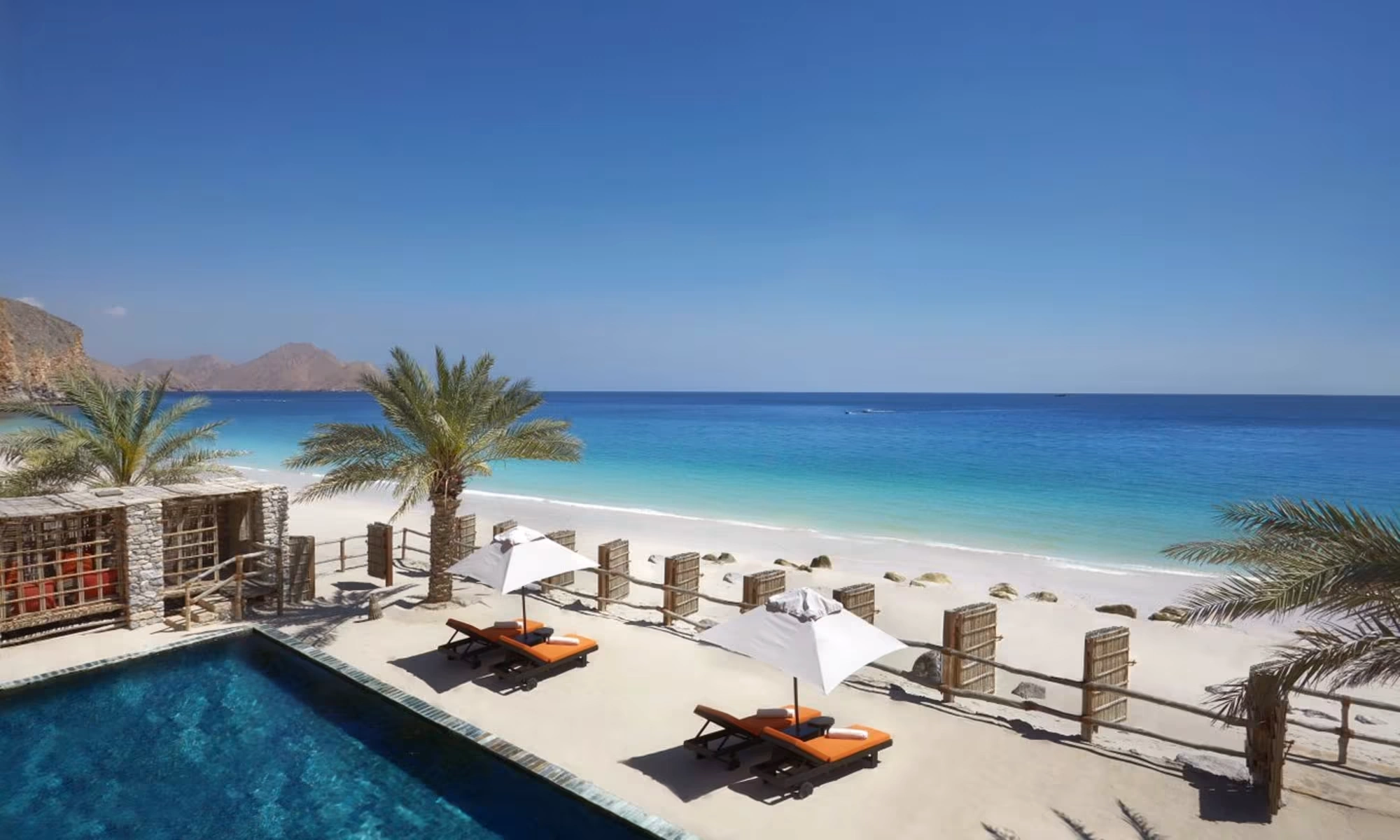
Set between rugged mountains and a secluded beach, Six Senses Zighy Bay offers a unique interpretation of coastal hospitality. The design draws inspiration from traditional Omani villages, blending architecture seamlessly with the surrounding landscape.
Notable outdoor design strategies include:
- Private villas with enclosed courtyards and pools
- Use of local stone and earth-toned materials
- Natural pathways that follow the terrain
- Outdoor living spaces designed for privacy and shade
- Integration of desert and coastal ecosystems
These elements create a deeply contextual experience, where outdoor environments feel authentic and grounded in regional identity.
Hotel Il Pellicano
Mid-Century Elegance Meets Coastal Landscape
Hotel Il Pellicano is an iconic example of how design can evolve while preserving its original character. Overlooking the Tyrrhenian Sea, the hotel combines mid-century architectural influences with contemporary landscape interventions.
Outdoor spaces are carefully curated to enhance both privacy and views. Terraced gardens, sun decks, and lounge areas are positioned to capture shifting light conditions throughout the day. Additionally, the use of vibrant textiles and natural materials adds warmth and personality.
This project illustrates how heritage properties can remain relevant by refining their outdoor environments without losing their identity.
The Oberoi Udaivilas
A Palatial Approach to Water and Landscape
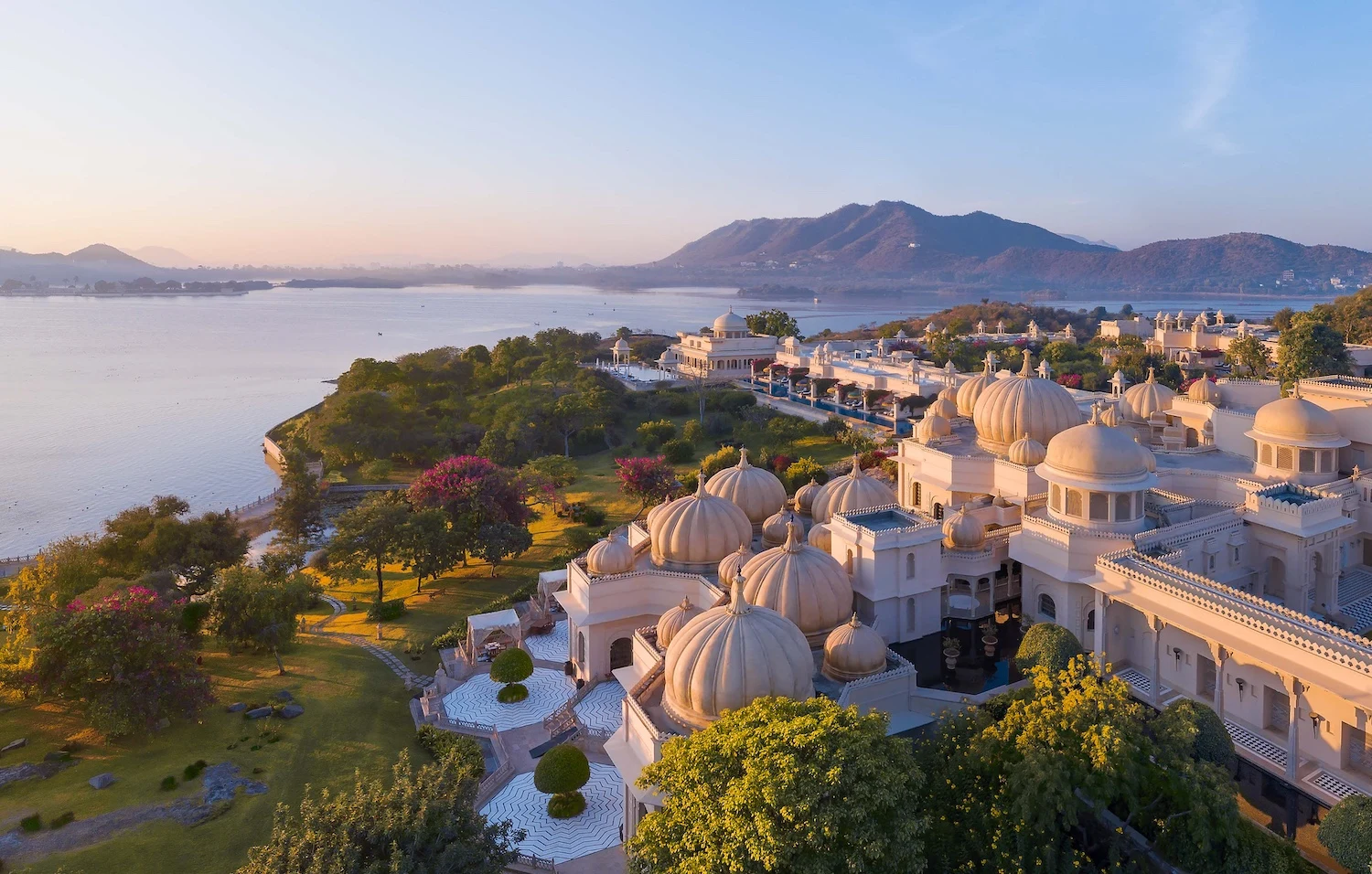
While not directly on the sea, The Oberoi Udaivilas offers a compelling perspective on water-integrated design within luxury hospitality. Its lakeside setting is defined by a network of courtyards, reflecting pools, and landscaped gardens.
Key outdoor features include:
- Interconnected water channels that guide movement
- Symmetrical garden layouts inspired by traditional design
- Open-air pavilions that frame views of the lake
- Layered terraces that create depth and hierarchy
- Nighttime lighting that enhances spatial drama
This approach demonstrates how water and landscape can shape a cohesive and immersive exterior environment, even beyond coastal contexts.
Designing Outdoor Experiences in Seaside Hotels
The Top 5 Seaside Hotels highlighted here share a common design philosophy: outdoor spaces are essential to the overall experience. Rather than acting as secondary amenities, they define how guests interact with the environment.
Several key principles emerge across these projects:
- Prioritizing views as central design elements
- Creating layered outdoor spaces with distinct functions
- Integrating local materials and cultural references
- Designing for climate comfort through shade and ventilation
- Ensuring seamless transitions between interior and exterior
These strategies allow hotels to deliver experiences that feel both luxurious and deeply connected to their surroundings.
The Role of Furniture in Coastal Hospitality Design
Outdoor furniture plays a crucial role in shaping the usability and aesthetic of seaside environments. In high-end hospitality projects, furniture is carefully selected to complement architectural lines and withstand harsh coastal conditions.
Design considerations typically include low-profile seating to preserve views, modular configurations for flexibility, and durable materials such as teak and powder-coated metals. Additionally, textiles are chosen for both comfort and resistance to sun and salt exposure.
When integrated effectively, furniture becomes an extension of the architectural language, reinforcing cohesion and enhancing the guest experience across all outdoor spaces.
The Future of Seaside Hotel Design
As the hospitality industry continues to evolve, the role of outdoor design will only become more significant. Seaside hotels are increasingly expected to offer immersive environments that engage all senses while maintaining environmental sensitivity.
Future developments will likely emphasize sustainability, advanced materials, and adaptive spatial solutions. However, the core objective will remain unchanged: creating meaningful connections between architecture, landscape, and the natural environment.
For outdoor designers and architects, the Top 5 Seaside Hotels explored here provide a valuable framework. They demonstrate how thoughtful exterior design can elevate hospitality projects into truly unforgettable destinations.
Conclusion
The Top 5 Seaside Hotels highlighted in this article reveal a clear shift in luxury hospitality design—one where outdoor environments take center stage. Through careful integration of architecture, landscape, and furniture, these properties create experiences that extend far beyond interiors.
For design professionals, they offer both inspiration and practical insight. As expectations continue to rise, the ability to craft cohesive and immersive outdoor spaces will be essential. Ultimately, the future of seaside hospitality lies in designing environments where every exterior element contributes to a unified and elevated guest experience.