
Outdoor spaces have become one of the defining factors in global luxury real estate. In 2027, developers, architects, and outdoor designers no longer treat terraces, gardens, and rooftop environments as secondary amenities. Instead, outdoor living has evolved into a central architectural priority that shapes property value, buyer demand, and overall project identity.
From luxury residences in Dubai to wellness resorts in Tulum and high rise developments in Singapore, outdoor design trends now influence how real estate projects compete in the international market.
For outdoor furniture brands, landscape architects, and luxury design studios, these changes create new opportunities to redefine the relationship between architecture, lifestyle, and nature.
Why Outdoor Design Became a Real Estate Priority
Luxury buyers increasingly prioritize experiences over square footage alone. Outdoor environments now represent wellness, privacy, entertainment, and emotional escape. Developers recognize that thoughtfully designed outdoor spaces directly enhance property desirability and long term value.
This shift accelerated after global lifestyle changes pushed homeowners and hospitality brands to rethink how people interact with their environments. Open air living became associated with flexibility, health, and quality of life.
As a result, architects now design outdoor spaces with the same level of sophistication previously reserved for interiors.
In 2027, outdoor design no longer focuses only on aesthetics. It combines hospitality, wellness, sustainability, and technology into cohesive living environments.
Seamless Indoor Outdoor Integration
One of the most influential outdoor design trends shaping global real estate involves the disappearance of boundaries between interior and exterior spaces.
Large retractable glass walls, continuous flooring materials, and integrated ceiling systems create fluid transitions that visually expand living environments.
Luxury residences increasingly feature:
- Outdoor kitchens
- Covered dining terraces
- Climate controlled lounges
- Open air wellness areas
- Resort inspired pool decks
- Integrated landscape courtyards
Architects use these elements to create homes that feel immersive and adaptable throughout the year.
This approach also benefits hospitality projects. Boutique hotels and branded residences now market outdoor living experiences as key differentiators in competitive luxury markets.
Wellness Focused Outdoor Spaces
Wellness continues to shape premium architecture and landscape design in 2027. Outdoor environments increasingly support physical relaxation, mental recovery, and sensory connection with nature.
Developers now incorporate wellness centered features directly into luxury residential projects, including:
- Meditation gardens
- Outdoor yoga decks
- Hydrotherapy pools
- Cold plunge areas
- Shaded relaxation zones
- Aromatic landscaping
- Natural water elements
These spaces create emotional value while reinforcing a property’s luxury positioning.
In destinations such as Bali and Malibu, wellness driven outdoor design has become a defining characteristic of premium real estate developments.
Landscape designers increasingly collaborate with architects and hospitality consultants early in the planning process to ensure outdoor wellness experiences integrate naturally into the overall architectural vision.
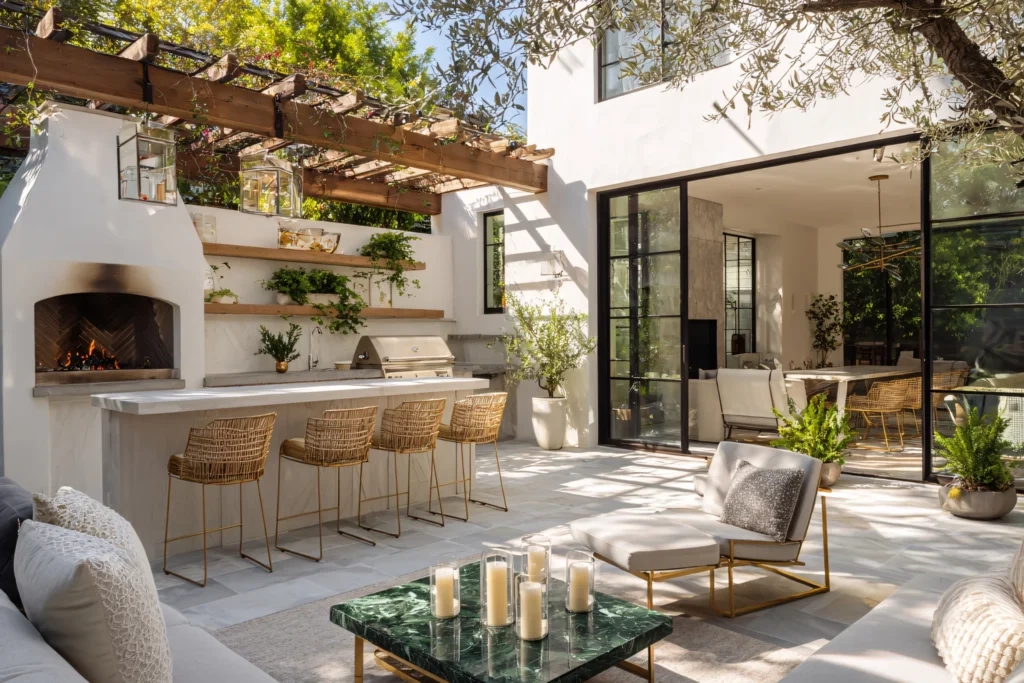
Sculptural Outdoor Furniture and Curated Living
Outdoor furniture has evolved far beyond functional patio seating. In 2027, luxury buyers expect outdoor spaces to feel as refined and curated as interior living rooms.
Furniture brands now emphasize sculptural silhouettes, tactile materials, and architectural forms that complement contemporary real estate design.
Several material trends dominate luxury outdoor collections:
- Travertine
- Teak
- Powder coated aluminum
- Handwoven rope
- Performance bouclé fabrics
- Volcanic stone
- Brushed stainless steel
Curved lounge seating, modular configurations, and low profile proportions remain especially popular in luxury residential developments.
Outdoor furniture also increasingly functions as a branding tool for real estate projects. Developers carefully select collections that reinforce the architectural identity and lifestyle positioning of each property.
Climate Responsive Landscaping
Climate adaptation has become central to outdoor design trends influencing global real estate.
Architects and landscape designers now prioritize drought resistant planting strategies, water conservation systems, and heat reducing materials to respond to environmental pressures and changing buyer expectations.
Mediterranean inspired landscaping continues to dominate luxury developments because it balances sustainability with timeless visual appeal.
Projects frequently incorporate:
- Olive trees
- Native grasses
- Lavender
- Succulents
- Gravel gardens
- Shaded courtyards
- Permeable stone surfaces
In warmer climates, shaded outdoor areas and passive cooling strategies have become essential architectural considerations.
This focus on climate responsive design strengthens both environmental performance and long term property resilience.
Rooftop Living as Prime Real Estate
Urban density continues to transform rooftops into highly valuable outdoor assets.
Luxury residential towers increasingly dedicate rooftop spaces to hospitality inspired amenities that elevate both lifestyle and property value. In major cities like Miami, London, and Bangkok, rooftop design has become a major competitive advantage in high end developments.
Popular rooftop features include:
- Infinity pools
- Outdoor cinemas
- Sunset lounges
- Sky gardens
- Firepit gathering areas
- Rooftop wellness clubs
- Private cabanas
Design studios increasingly approach rooftop environments as immersive lifestyle destinations rather than shared building amenities.
Lighting design also plays a critical role. Layered ambient lighting helps create atmosphere while extending functionality into the evening.
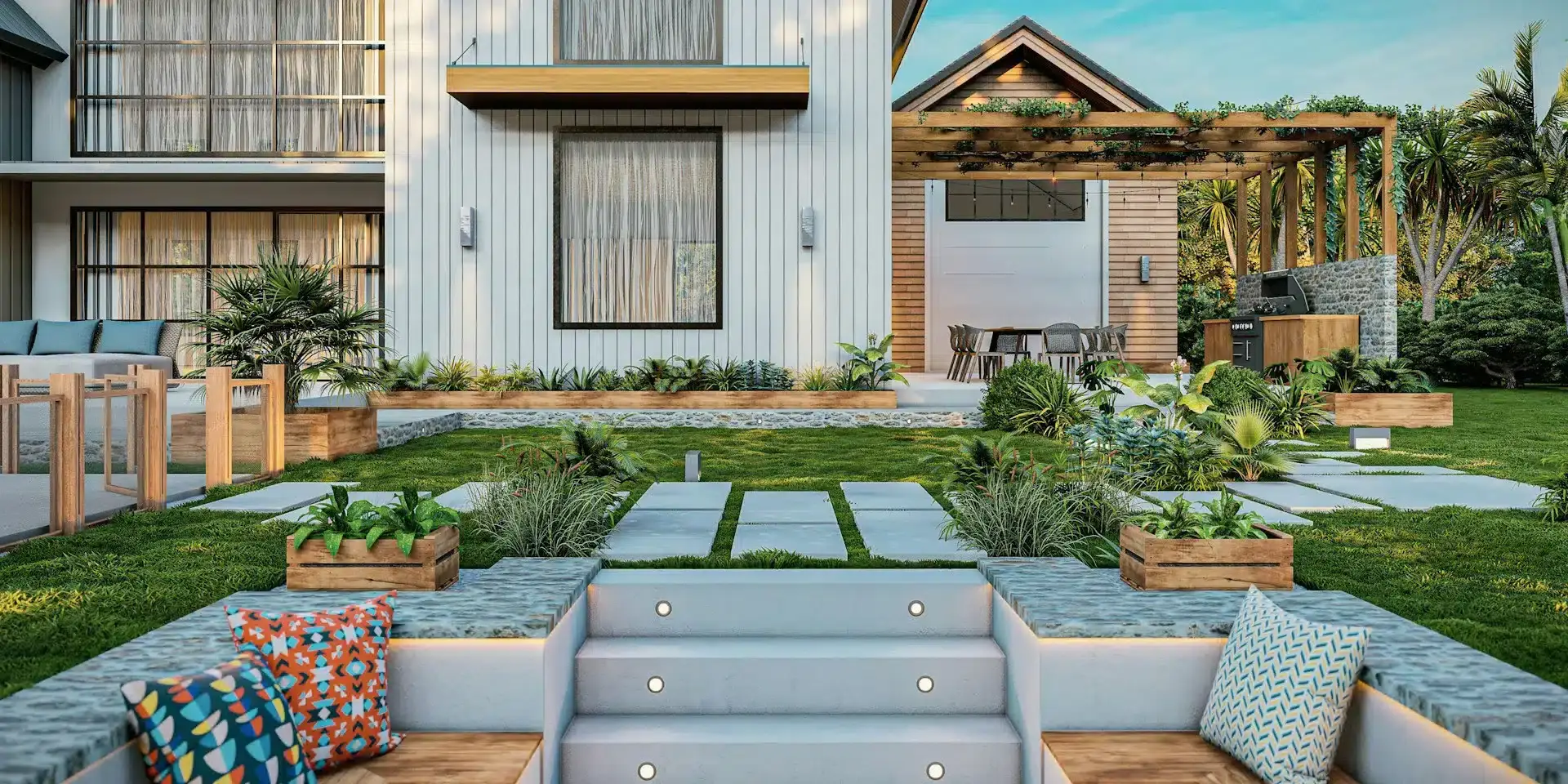
Outdoor Hospitality Influence on Residential Design
Luxury hospitality continues to influence residential outdoor architecture.
Homeowners increasingly seek resort inspired experiences within private residences. As a result, developers and architects borrow design strategies from boutique hotels and wellness retreats.
This hospitality influence appears in features such as:
- Poolside lounge environments
- Outdoor bars
- Open air dining pavilions
- Spa inspired landscaping
- Layered lighting concepts
- Curated scent gardens
- Multi sensory outdoor experiences
Properties that successfully deliver these experiences often command higher market value and stronger buyer interest.
The blending of hospitality and residential design also creates opportunities for outdoor furniture brands to collaborate directly with luxury developers on custom collections and branded environments.
Technology Integration in Outdoor Environments
Technology increasingly enhances outdoor living without dominating the aesthetic experience.
In 2027, luxury outdoor spaces often include discreetly integrated systems such as:
- Smart lighting controls
- Automated shading systems
- Outdoor sound environments
- Climate responsive irrigation
- Heated exterior flooring
- Retractable pergolas
- App controlled outdoor kitchens
The goal is convenience without visual clutter.
Architects and designers now prioritize invisible technology integration that preserves material authenticity and spatial calm.
Biophilic Design and Emotional Connection
Biophilic design continues to influence outdoor architecture globally because buyers increasingly seek emotional connection with nature.
This trend extends beyond landscaping alone. Developers now design entire properties around natural light, airflow, vegetation, and sensory engagement.
Outdoor courtyards, internal gardens, reflective pools, and organic materials create environments that feel restorative and immersive.
In luxury real estate, emotional atmosphere often matters as much as architectural scale. Outdoor design plays a critical role in creating that atmosphere.
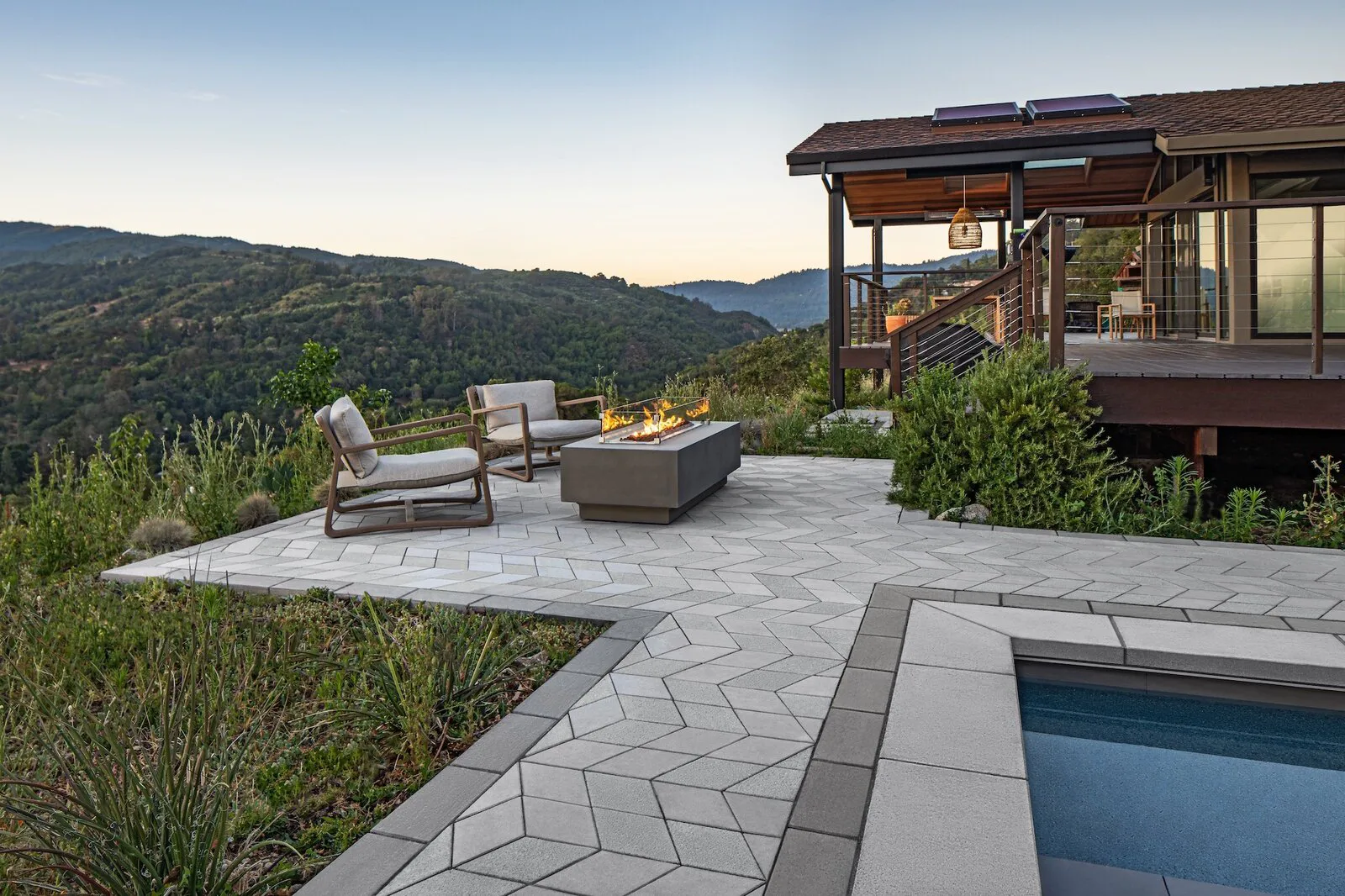
The Future of Outdoor Design in Global Real Estate
Outdoor design trends in 2027 reflect a broader transformation within luxury real estate. Buyers no longer view outdoor spaces as optional additions. Instead, they expect integrated environments that combine wellness, sustainability, hospitality, and architectural sophistication.
For outdoor designers, furniture brands, architects, and luxury design studios, this evolution creates opportunities to shape how people live, relax, and connect with their surroundings.
As global real estate continues to prioritize experiential luxury, outdoor environments will remain central to the future of architecture and high end living.