
Outdoor spaces have evolved into fully realized extensions of architecture, where comfort, aesthetics, and performance intersect. At the center of this transformation, Shade Structures play a critical role. They no longer serve as simple protective elements; instead, they define spatial identity, enhance usability, and elevate the overall design language of exterior environments.
For outdoor designers, architects, and luxury design studios, selecting the right shade solution has become a strategic decision that shapes how people experience outdoor living.
The Shift Toward Architectural Outdoor Living
Contemporary outdoor design has moved far beyond basic patios and terraces. Today’s projects demand environments that support dining, lounging, working, and entertaining—all while maintaining a strong visual connection to the surrounding architecture.
Shade Structures anchor these spaces. They create zones, guide circulation, and establish a sense of enclosure without sacrificing openness. Whether integrated into a private residence or a large-scale hospitality project, they contribute to a cohesive outdoor narrative.
This architectural approach requires more than functional coverage. Designers now prioritize proportion, materiality, and structural expression, ensuring that shade elements feel intentional rather than secondary.
Pergolas: The Timeless Framework Reimagined
Pergolas remain one of the most versatile and widely used shade structures in outdoor design. However, their role has evolved significantly.
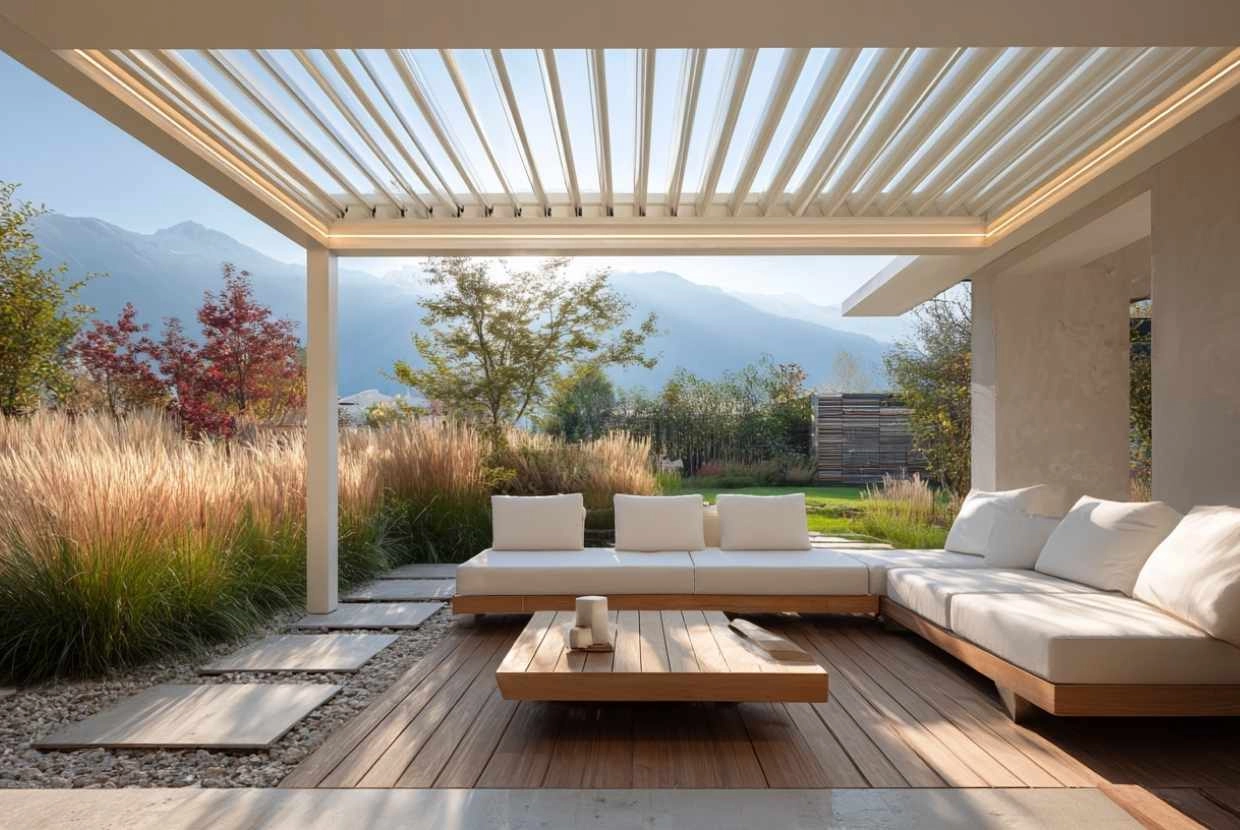
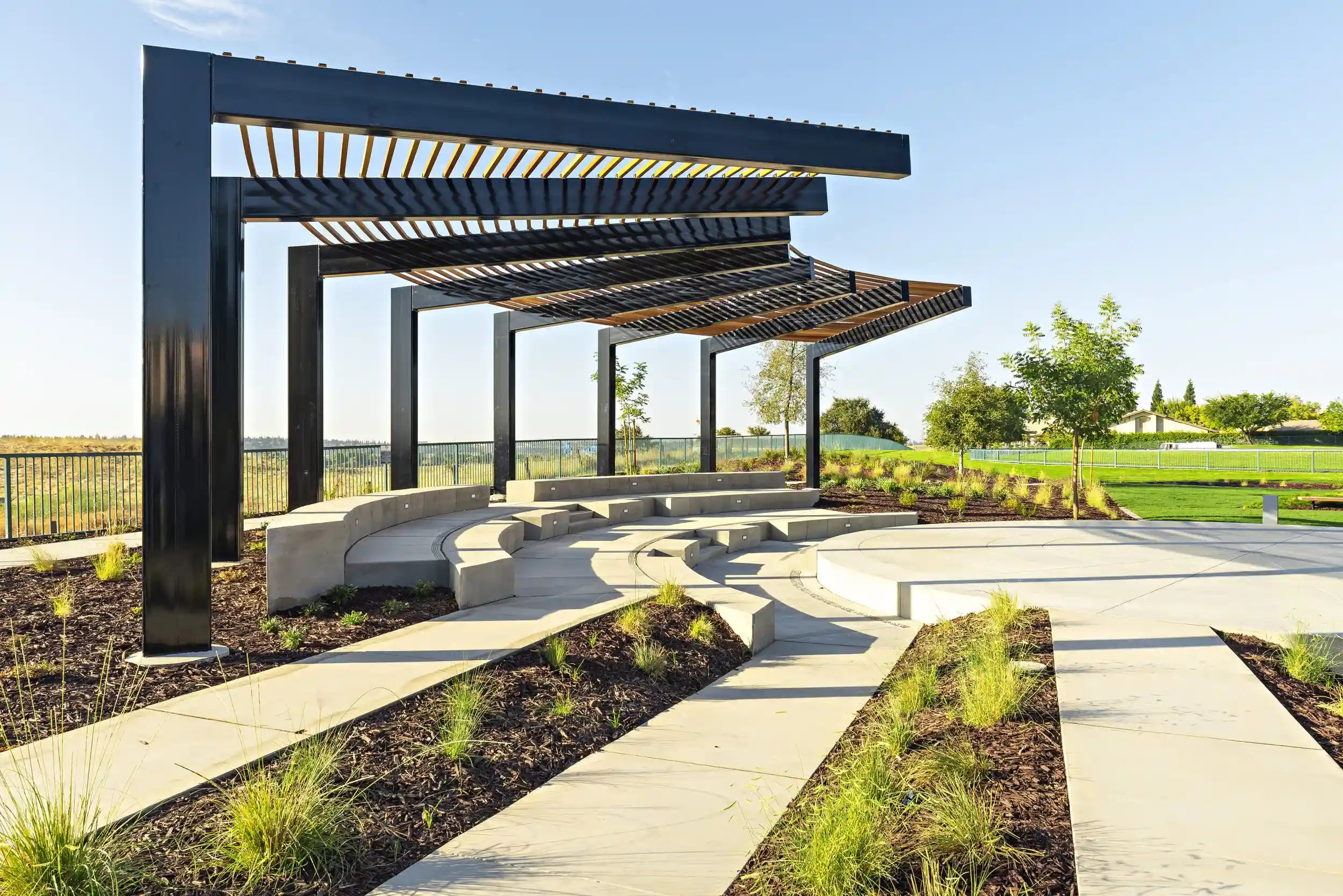
Modern pergolas feature clean lines, engineered materials, and integrated technologies. Aluminum and powder-coated steel have replaced traditional wood in many high-end applications, offering durability with minimal maintenance. Adjustable louvers allow users to control sunlight and ventilation, adapting the space throughout the day.
Designers often integrate lighting, heating, and even sound systems into pergolas, transforming them into fully functional outdoor rooms. This level of customization makes pergolas particularly attractive for luxury residential projects and boutique hospitality environments.
Tensile Structures: Sculptural and Dynamic
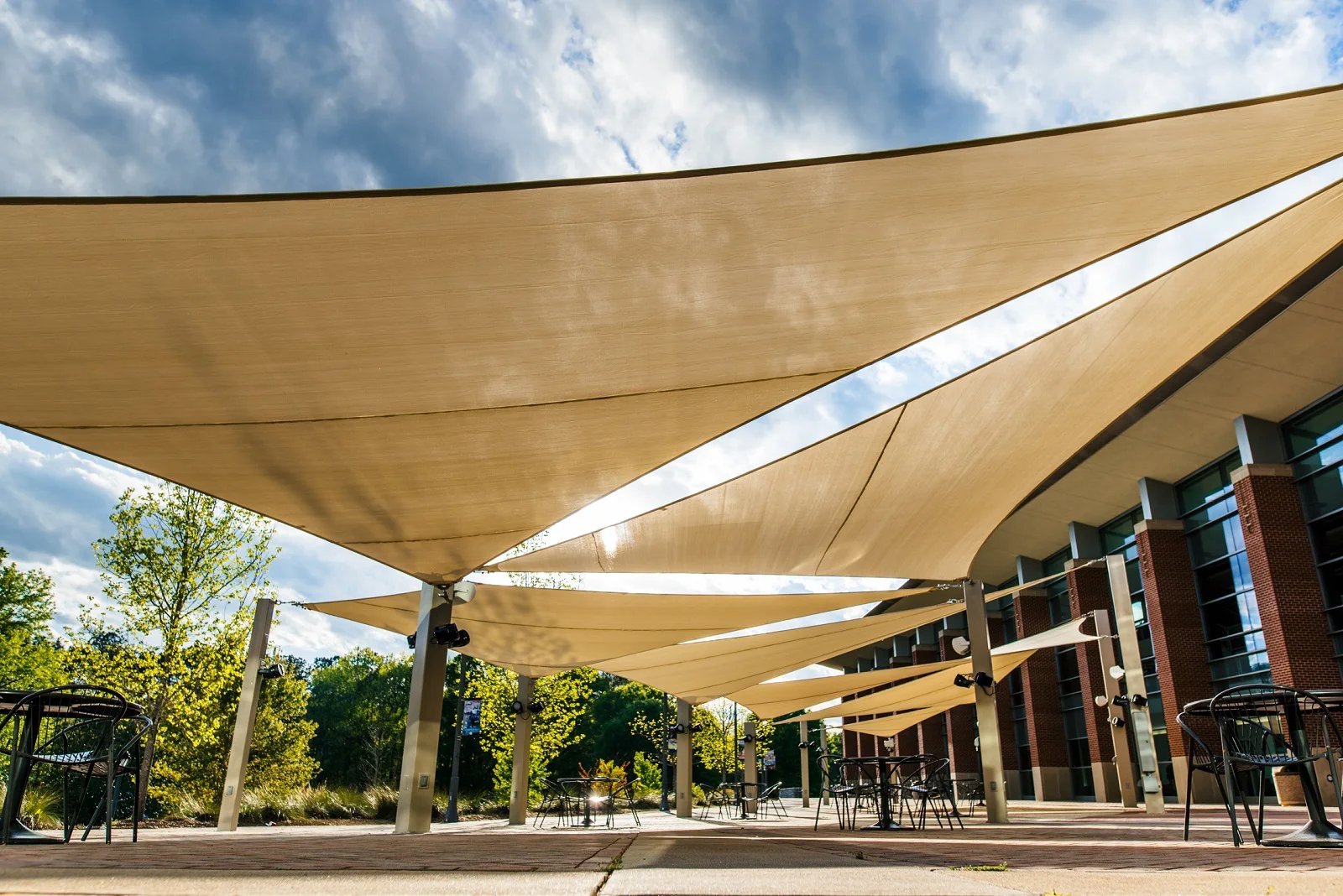
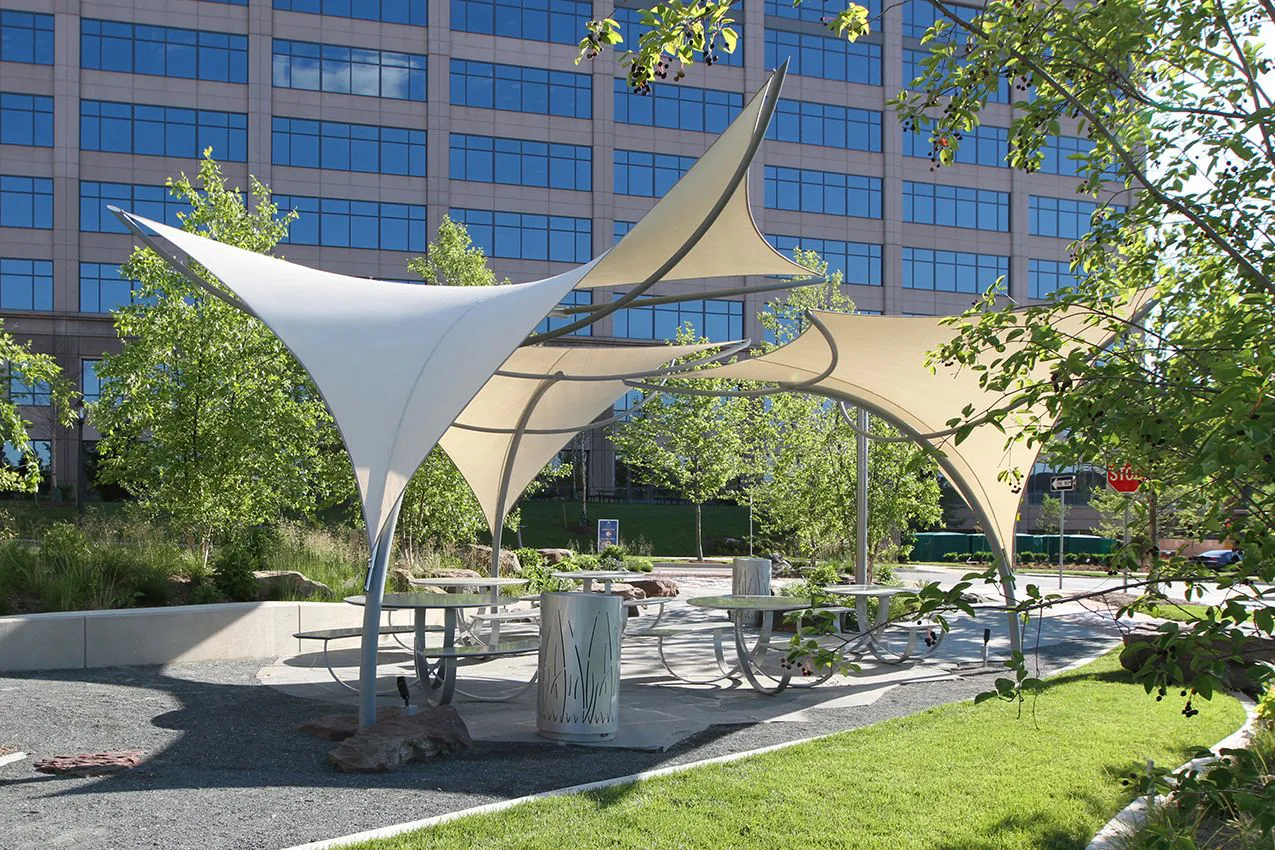
Tensile shade structures introduce a more expressive and sculptural dimension to outdoor spaces. Using high-performance fabrics stretched across steel or aluminum frames, these structures create fluid, organic forms that contrast with rigid architectural lines.
Their visual impact stands out immediately. Sweeping curves and dramatic silhouettes draw attention while providing effective sun protection. Designers frequently use tensile systems in large-scale settings such as resorts, public plazas, and cultural venues.
Beyond aesthetics, tensile materials offer excellent UV resistance and durability. They also allow for expansive coverage with minimal structural support, making them ideal for open environments where traditional construction might feel heavy or intrusive.
Retractable Awnings: Flexibility and Precision
Retractable awnings provide a highly adaptable shading solution for projects that require flexibility. Unlike fixed structures, they allow users to adjust coverage based on weather conditions or time of day.
In luxury contexts, retractable systems often feature motorized operation, integrated sensors, and seamless integration into building facades. When retracted, they disappear almost entirely, preserving the architectural purity of the structure.
This balance between functionality and discretion appeals to architects who prioritize clean lines and minimal visual interference. It also enhances user experience, giving occupants direct control over their environment.
Canopies and Pavilions: Defined Outdoor Rooms
Canopies and pavilions create fully defined outdoor spaces that function as extensions of interior living areas. These structures often feature solid roofs or layered materials, providing comprehensive protection from sun and weather.
In high-end projects, designers treat pavilions as architectural statements. They incorporate natural stone bases, timber beams, and custom metalwork to align with the broader design language. Furniture layouts, lighting schemes, and landscaping all revolve around these central elements.
Pavilions work particularly well in large gardens, resort settings, and luxury estates where outdoor living plays a central role. They offer a sense of permanence and structure that elevates the entire landscape.
Bioclimatic Systems: Technology Meets Design
Bioclimatic shade structures represent one of the most advanced developments in outdoor design. These systems use adjustable louvers that respond to environmental conditions, optimizing airflow, sunlight, and temperature.
Sensors can automatically adjust the structure based on sun position, wind speed, or rain. This level of responsiveness enhances comfort while reducing energy consumption, aligning with the growing emphasis on sustainable design.
Architects and designers appreciate the precision these systems offer. They allow for fine-tuned control over microclimates, making outdoor spaces usable throughout the year in a wide range of climates.
Material Innovation Driving Performance
Material selection plays a central role in the effectiveness and longevity of shade structures. Today’s designs leverage advanced materials that combine strength, durability, and visual appeal.
- Aluminum: Lightweight, corrosion-resistant, and ideal for modern designs.
- Steel: Provides structural strength for large-span installations.
- Technical fabrics: Offer UV protection, weather resistance, and flexibility for tensile structures.
- Wood composites: Deliver the warmth of natural wood with improved durability.
These materials enable designers to push boundaries while ensuring that structures perform under demanding environmental conditions.
Integration with Landscape and Architecture
The most successful Shade Structures integrate seamlessly with both architecture and landscape design. They do not feel like add-ons; instead, they become essential components of the overall composition.
Designers often align structural lines with building geometry, echo material palettes, and coordinate colors to create visual harmony. Landscaping elements—such as trees, water features, and paving—further enhance this integration.
This holistic approach results in outdoor environments that feel cohesive and intentional, where every element contributes to a unified experience.
Enhancing User Experience Through Design
Ultimately, the success of any shade structure depends on how it enhances the user experience. Comfort, usability, and atmosphere all play critical roles.
Shade Structures reduce heat, protect against UV exposure, and create comfortable microclimates. At the same time, they influence how people interact with the space—encouraging longer stays, social engagement, and a deeper connection to the outdoors.
Lighting integration extends usability into the evening, while thoughtful placement ensures optimal views and circulation. These considerations transform outdoor areas into dynamic, multi-functional environments.
The Future of Shade Structures in Outdoor Design
As outdoor living continues to gain importance, Shade Structures will play an even more central role in design strategies. Innovations in materials, automation, and sustainability will expand their capabilities, allowing designers to create more responsive and efficient environments.
Luxury clients increasingly expect outdoor spaces that match the quality and sophistication of interiors. Shade structures meet this demand by combining performance with architectural expression.
Final Thoughts
Shade Structures have become essential elements in contemporary outdoor design, shaping how spaces look, feel, and function. From pergolas and tensile systems to advanced bioclimatic solutions, they offer a wide range of possibilities for architects, designers, and luxury brands.
By integrating these structures thoughtfully, professionals can create outdoor environments that deliver comfort, elegance, and lasting impact—transforming exterior spaces into true extensions of modern living.