
The growing demand for adaptable environments has positioned modular outdoor furniture at the forefront of luxury design. No longer confined to static layouts, outdoor spaces are evolving into dynamic environments that respond to changing needs and lifestyles.
For architects and outdoor designers, modularity introduces a new level of flexibility, allowing spaces to transform seamlessly throughout the day. Whether for private residences or hospitality projects, modular outdoor furniture enables designers to create environments that are both functional and visually refined, redefining the concept of outdoor luxury living.
Core Advantages of Modular Outdoor Furniture
The popularity of modular systems is driven by several key benefits:
- Flexibility in configuration for different uses
- Scalability to suit various spatial requirements
- Ease of customization for unique design concepts
- Efficient use of space in both large and compact areas
- Adaptability to changing user needs
These advantages make modular outdoor furniture an essential tool for creating versatile luxury environments.
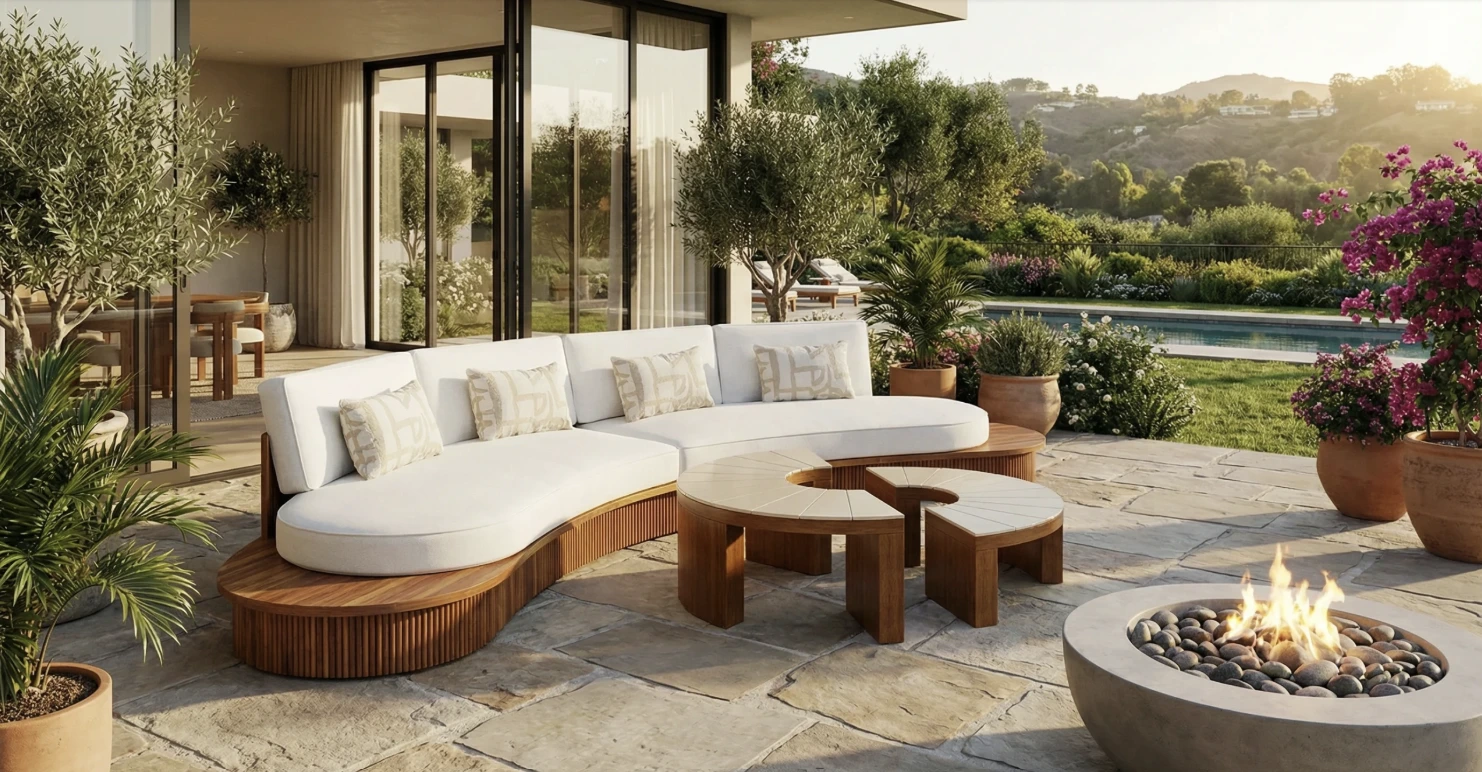
Designing for Multi-Functional Outdoor Spaces
Modern luxury spaces require outdoor environments that support a variety of functions, from relaxation to entertainment. Modular outdoor furniture allows designers to create zones that can easily shift between these uses.
For example, seating arrangements can be reconfigured for intimate gatherings or larger social events. This adaptability is particularly valuable in urban settings, where space is limited and must serve multiple purposes. By incorporating modular systems, designers can maximize both functionality and aesthetic coherence.
Key Configurations in Modular Design
Common modular arrangements include:
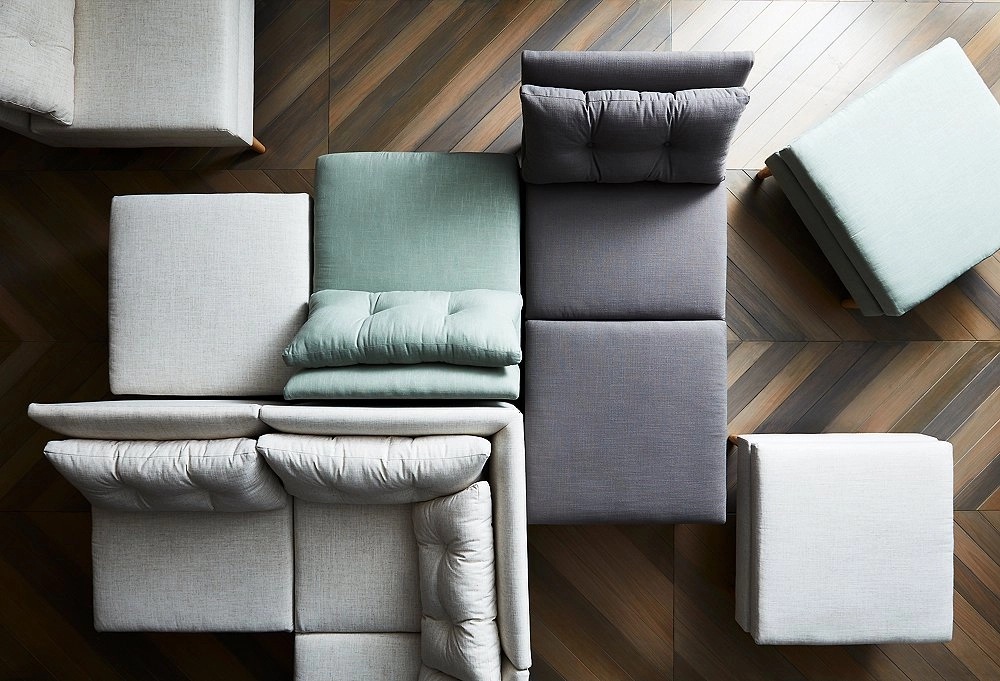
- Sectional seating for flexible lounging areas
- Modular dining sets adaptable to group size
- Convertible daybeds for relaxation and social use
- Stackable or movable units for space optimization
- Hybrid pieces combining seating and storage
These configurations allow outdoor spaces to evolve with user needs.
Material Innovation and Durability
Material innovation plays a crucial role in the success of modular outdoor furniture. High-performance materials ensure durability while maintaining a luxurious aesthetic.
Designers often select materials that can withstand exposure to sun, moisture, and temperature fluctuations without compromising comfort or appearance. Advances in manufacturing have also enabled the creation of lightweight yet robust components, making modular systems easier to move and reconfigure. This balance of performance and design is essential in high-end outdoor environments.
Materials Commonly Used in Modular Systems
Luxury modular furniture often incorporates:
- Powder-coated aluminum for lightweight strength
- Teak and hardwoods for natural warmth
- All-weather wicker for texture and resilience
- Performance fabrics resistant to fading and moisture
- Composite materials for durability and versatility
These materials ensure longevity while supporting sophisticated design.
Aesthetic Consistency in Modular Design
One of the challenges in modular outdoor furniture is maintaining aesthetic consistency across different configurations. In luxury spaces, visual harmony is essential.
Designers achieve this by selecting cohesive color palettes, materials, and forms that remain consistent regardless of arrangement. Modular pieces are often designed with clean lines and neutral tones, allowing them to integrate seamlessly into various settings. This approach ensures that flexibility does not come at the expense of elegance or design integrity.
Design Strategies for Visual Cohesion
To maintain a unified look, designers often use:
- Neutral color schemes for versatility
- Consistent material palettes across all modules
- Simple geometric forms ensuring compatibility
- Repetition of design elements creating rhythm
- Careful proportioning maintaining balance
These strategies help preserve a refined aesthetic.
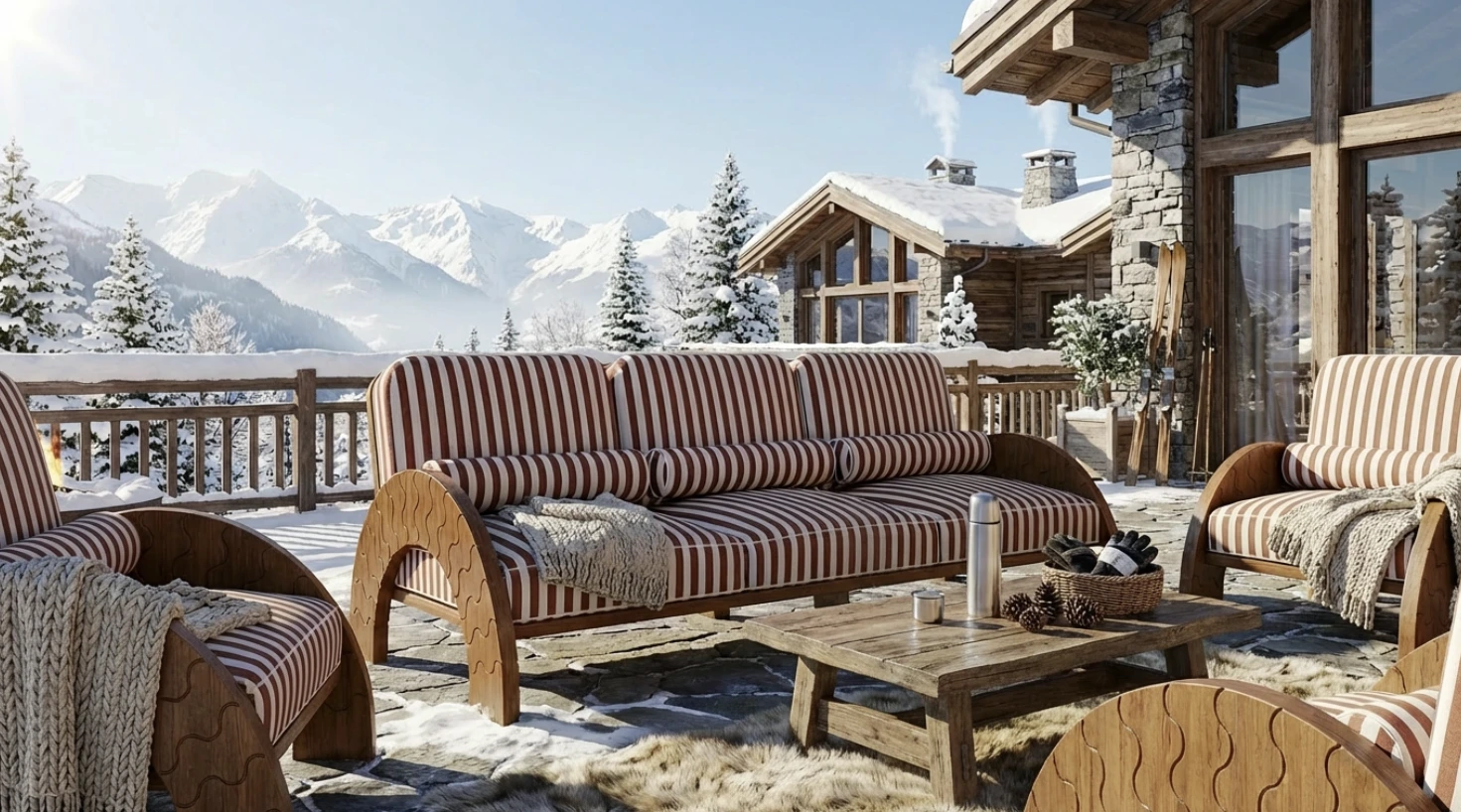
Enhancing User Experience Through Modularity
User experience is central to the appeal of modular outdoor furniture. The ability to easily adjust layouts empowers users to personalize their environment.
This adaptability enhances comfort and usability, allowing spaces to respond to different activities and preferences. For luxury clients, this level of control is highly desirable, as it aligns with expectations for customization and exclusivity. Designers must consider ergonomics, ease of movement, and intuitive design to ensure a seamless user experience.
Features That Improve Usability
Important usability features include:
- Lightweight components for easy rearrangement
- Secure connectors maintaining stability
- Ergonomic design ensuring comfort
- Weather-resistant cushions for durability
- Modular accessories such as tables and storage units
These features enhance both functionality and user satisfaction.
Integration with Architectural Design
Modular outdoor furniture must be carefully integrated with the surrounding architecture to achieve a cohesive design. It should complement the spatial layout, materials, and overall aesthetic of the project.
Designers often align furniture configurations with architectural elements such as terraces, pools, and pathways. This integration ensures that furniture becomes an extension of the built environment rather than an isolated component. By considering scale and proportion, architects can create outdoor spaces that feel unified and intentional.
Approaches to Architectural Integration
Effective integration involves:
Aligning furniture layouts with spatial zones
Matching materials with architectural finishes
Considering scale and proportion
Creating clear circulation paths
Using furniture to define functional areas
These approaches enhance both design coherence and usability.
Sustainability and Modular Design
Sustainability is increasingly important in luxury outdoor design, and modular furniture offers several advantages in this area. Its adaptability reduces the need for replacement, extending product lifespan.
Additionally, many manufacturers are adopting sustainable materials and production methods. Designers can further enhance sustainability by selecting pieces that can be easily repaired or reconfigured. This approach aligns with broader industry trends focused on reducing environmental impact while maintaining high design standards.
Sustainable Features of Modular Furniture
Key sustainability aspects include:
- Long product lifespan through adaptability
- Use of eco-friendly materials
- Repairable and replaceable components
- Efficient manufacturing processes
- Reduced waste due to modularity
These features support environmentally responsible design.
Technology and Customization
Technology is playing an increasing role in the evolution of modular outdoor furniture. From integrated lighting to smart features, modular systems are becoming more sophisticated.
Customization options allow designers to tailor furniture to specific project requirements, enhancing both functionality and aesthetics. Digital tools also enable precise planning and visualization, making it easier to design complex modular layouts. This integration of technology further elevates the role of modular furniture in luxury outdoor spaces.
Technological Enhancements in Modular Systems
Innovations often include:
- Integrated lighting elements
- Built-in charging stations
- Smart controls for adjustable features
- Advanced materials with enhanced performance
- Digital design tools for customization
These advancements expand the possibilities of modular design.
Applications in Luxury Hospitality and Residential Projects
Modular outdoor furniture is widely used in both hospitality and residential settings. In luxury hotels, it allows for flexible layouts that can accommodate different guest needs and events.
In private residences, modular systems provide homeowners with the ability to personalize their outdoor spaces. This versatility is particularly valuable in high-end projects, where design must balance aesthetics with functionality. By incorporating modular furniture, designers can create environments that adapt to a wide range of uses.
Common Applications of Modular Furniture
Typical uses include:
- Rooftop terraces in urban environments
- Poolside lounges in luxury resorts
- Private garden seating areas
- Outdoor dining spaces
- Event and entertainment areas
These applications highlight the versatility of modular systems.
The Future of Modular Outdoor Furniture
The future of modular outdoor furniture lies in continued innovation and integration with broader design trends. As outdoor spaces become more central to luxury living, the demand for adaptable and high-performance furniture will grow.
Designers will increasingly focus on creating systems that combine flexibility, sustainability, and technological integration. By embracing modularity, architects and outdoor designers can create spaces that are not only visually compelling but also highly functional.
Ultimately, modular outdoor furniture represents a shift toward more dynamic, user-centered design, redefining how luxury outdoor environments are conceived and experienced.