
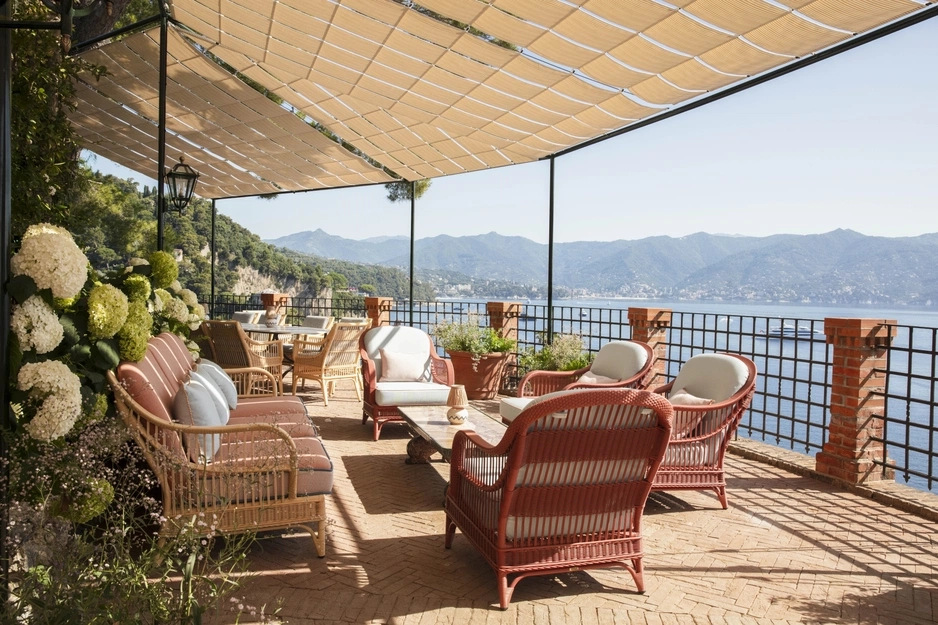
Set along the dramatic curves of Portofino, Portofino coastal residences represent a refined intersection of architecture, landscape, and lifestyle. These homes are not simply positioned near the sea-they are carefully composed to engage with it. For outdoor designers, architects, and luxury design studios, Portofino offers a compelling study in how terraces, materials, and spatial sequencing can define high-end coastal living.
Rather than relying on scale alone, Portofino coastal residences achieve distinction through proportion, layering, and a deep sensitivity to context. As a result, outdoor spaces become the primary stage for daily life, where views, light, and materiality shape a continuous dialogue between built form and the Mediterranean horizon.
The Evolution of Coastal Living in Portofino
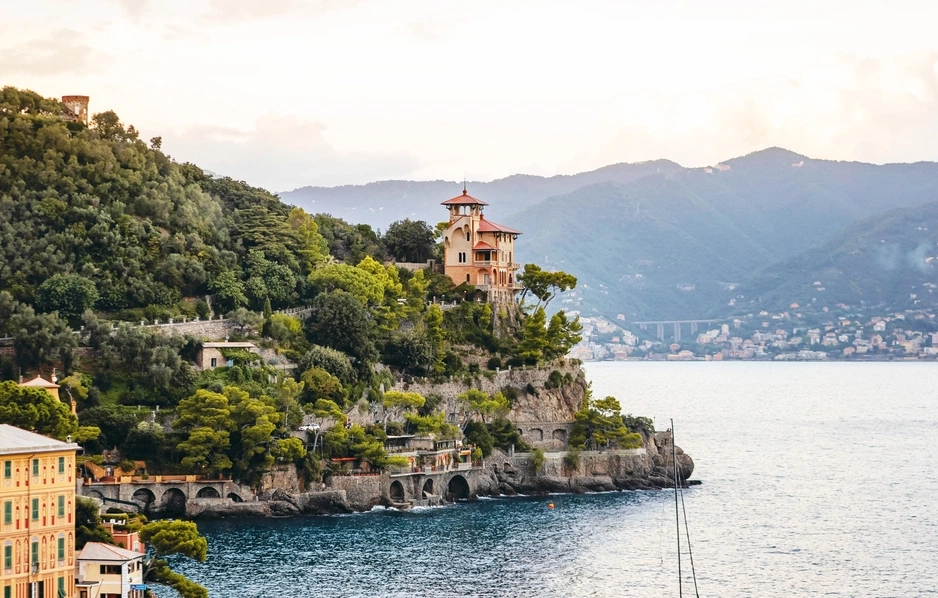
Historically, Portofino developed as a compact fishing village, where buildings adapted to steep terrain and limited space. Over time, this necessity evolved into a defining architectural language characterized by vertical layering and terraced construction.
Today, Portofino coastal residences reinterpret this heritage through contemporary design. While preserving traditional forms such as pastel facades and shuttered openings, modern interventions introduce refined detailing, expanded glazing, and integrated outdoor living areas.
For luxury design studios, this evolution highlights a key principle: contextual design does not limit creativity. Instead, it provides a framework for innovation that respects both history and landscape.
Terraces as the Core of Spatial Experience
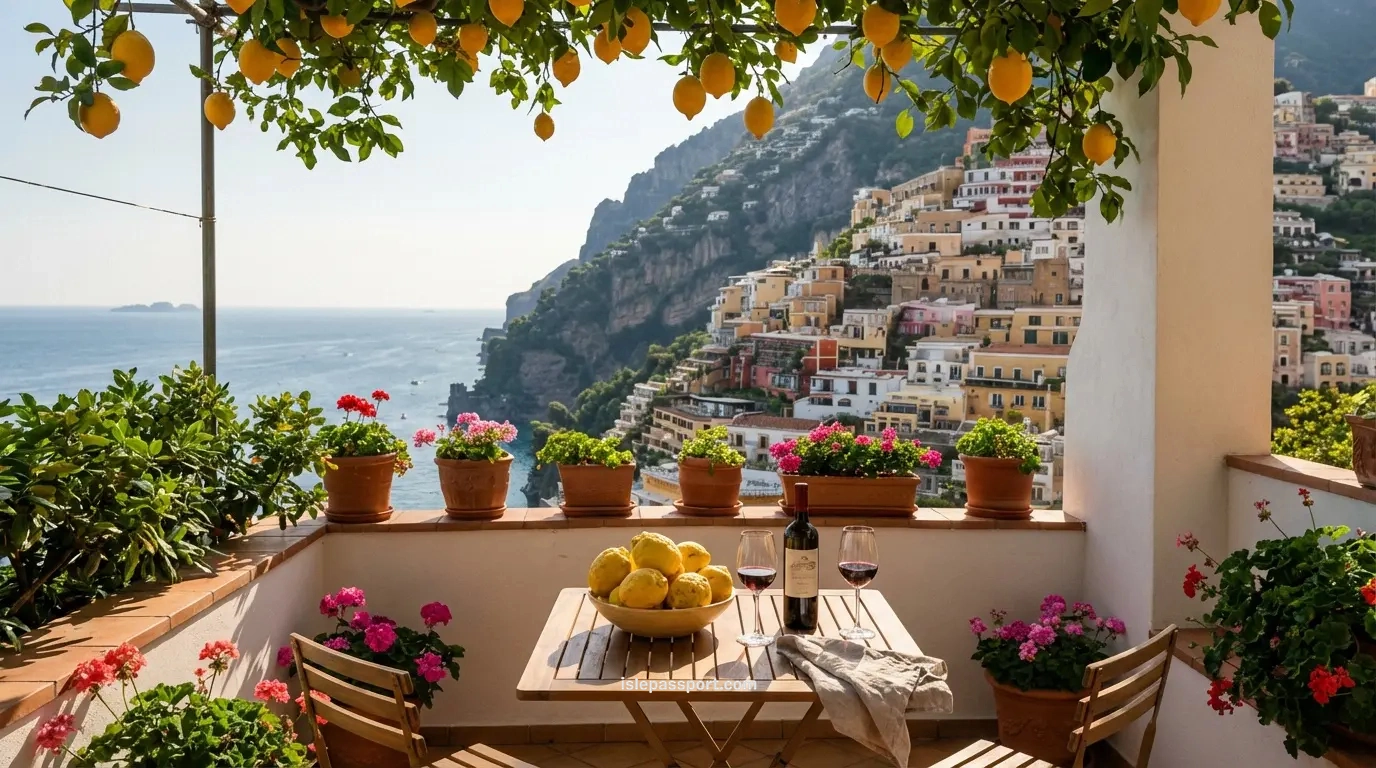
Terraces are the defining feature of Portofino coastal residences, acting as extensions of interior spaces and as primary living zones. These outdoor platforms are carefully positioned to maximize views, sunlight, and privacy.
Typical terrace configurations include:
- Upper-level viewing terraces with uninterrupted sea panoramas
- Mid-level outdoor lounges connected to living and dining areas
- Garden terraces featuring Mediterranean planting and shaded seating
- Pool terraces designed to visually merge with the horizon
- Intimate balconies that frame specific views of the coastline
Together, these layered spaces create a dynamic sequence that enhances both functionality and experiential richness throughout the residence.
Materiality and Regional Identity
Material selection in Portofino coastal residences is deeply rooted in regional identity. The use of natural stone, lime plaster, wood, and ceramic tiles reflects both tradition and environmental suitability.
These materials are chosen not only for their aesthetic qualities but also for their performance in coastal conditions. They withstand humidity, salt exposure, and intense sunlight while aging gracefully over time. This natural patina contributes to the authenticity and longevity of the architecture.
For designers, the lesson is clear: material authenticity is essential in creating outdoor environments that feel both luxurious and connected to their surroundings.
Designing for Views and Visual Continuity
In Portofino coastal residences, the view is a central design element. Every spatial decision is oriented toward enhancing the visual connection with the sea. Architecture and landscape work together to frame, extend, and amplify these vistas.
Key strategies include:
- Aligning terraces with natural sightlines toward the horizon
- Using low-profile barriers or glass balustrades to preserve views
- Positioning furniture to encourage outward orientation
- Creating axial pathways that lead the eye toward the sea
- Minimizing visual clutter to maintain clarity and focus
These techniques ensure that the landscape remains the focal point, reinforcing the emotional impact of the space.
Climate-Responsive Outdoor Living
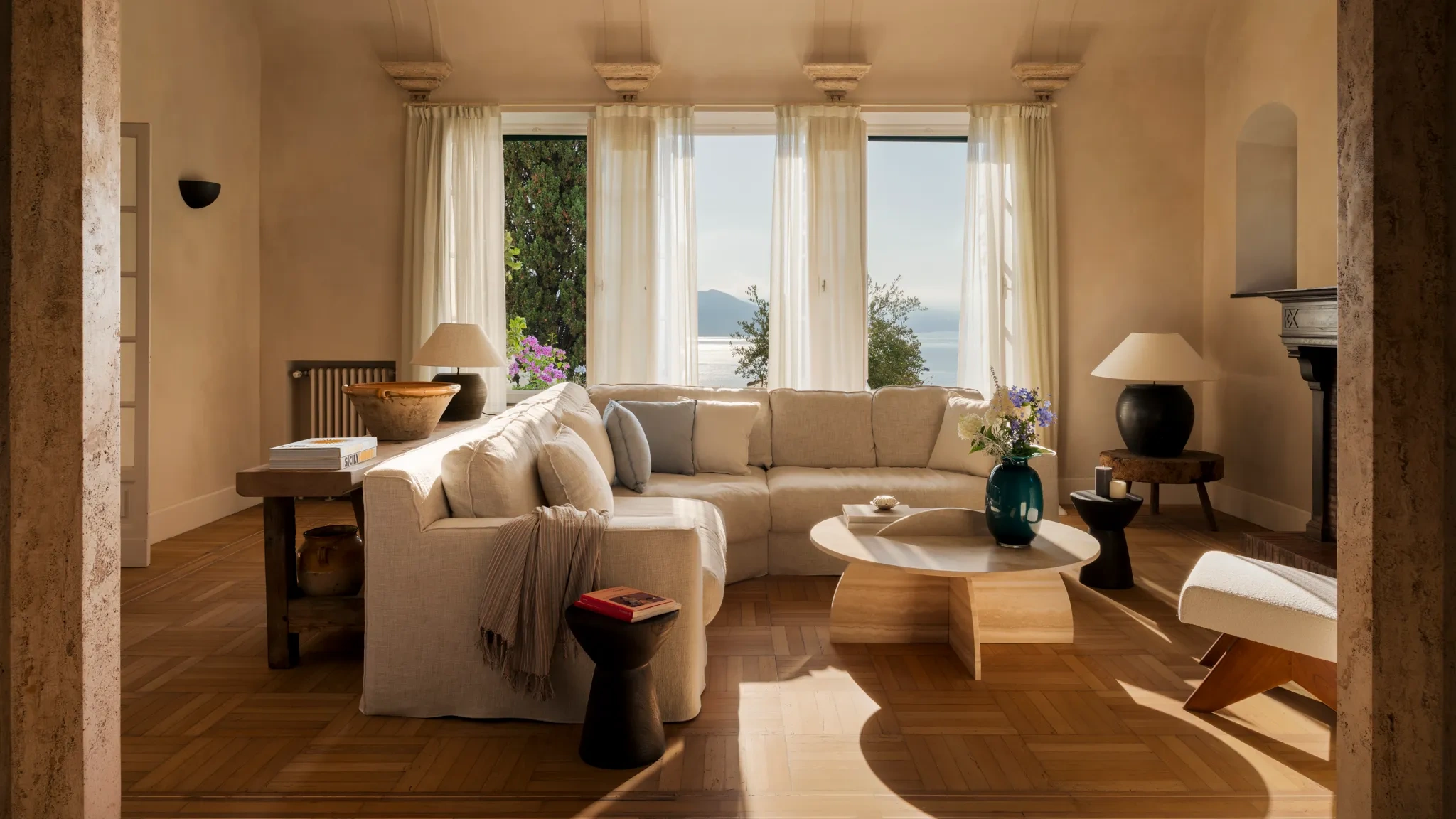
The Mediterranean climate plays a significant role in shaping Portofino coastal residences. Warm temperatures, strong sunlight, and coastal breezes require thoughtful design strategies to ensure comfort and usability.
Outdoor spaces are often equipped with pergolas, retractable shading systems, and strategically placed vegetation. These elements provide relief from the sun while maintaining openness and airflow. Additionally, material choices contribute to thermal comfort by reflecting heat and reducing surface temperatures.
This climate-responsive approach allows terraces and outdoor areas to function as true living spaces throughout the year, supporting both relaxation and social interaction.
Landscape Integration and Mediterranean Planting
Landscape design in Portofino coastal residences is characterized by a careful balance between structure and natural expression. Terraced gardens follow the contours of the land, creating layered environments that enhance both aesthetics and functionality.
Common planting strategies include:
- Use of olive trees and cypress for vertical structure
- Integration of aromatic herbs such as rosemary and lavender
- Layering of shrubs and ground covers for texture and depth
- Incorporation of stone pathways and retaining walls
- Emphasis on drought-tolerant species suited to the climate
These elements create landscapes that are both visually rich and environmentally sustainable, reinforcing the connection between architecture and nature.
Outdoor Furniture and Spatial Cohesion
Furniture plays a critical role in defining the usability and character of terraces within Portofino coastal residences. Rather than acting as standalone elements, furniture pieces are integrated into the overall design language.
Design considerations typically include:
- Low-profile seating to preserve sightlines toward the sea
- Neutral tones that complement the natural material palette
- Durable materials such as teak, metal, and outdoor fabrics
- Modular configurations that adapt to different terrace sizes
- Minimalist forms that align with architectural simplicity
By maintaining cohesion between furniture and architecture, designers ensure that outdoor spaces feel unified and intentional.
Crafting Luxury Through Restraint
A defining characteristic of Portofino coastal residences is the use of restraint as a design strategy. Luxury is expressed not through excess but through precision, proportion, and material quality.
This approach emphasizes clarity. Each element-whether architectural, landscape, or decorative-serves a purpose. Unnecessary complexity is avoided, allowing the natural beauty of the setting to take precedence.
For outdoor designers and architects, this principle offers a valuable perspective: the most impactful spaces are often those that achieve balance through simplicity.
Contemporary Trends in Portofino Coastal Design
Modern interpretations of Portofino coastal residences continue to evolve while respecting traditional principles. Designers are exploring new ways to enhance outdoor living while maintaining a strong connection to the landscape.
Emerging trends include:
- Integration of infinity-edge pools aligned with sea views
- Use of frameless glass systems for unobstructed transparency
- Incorporation of smart lighting and shading technologies
- Expansion of outdoor kitchens and entertainment areas
- Increased focus on sustainability and material sourcing
These innovations reflect the growing demand for sophisticated, adaptable outdoor environments in luxury coastal settings.
The Enduring Appeal of Portofino Coastal Residences
Portofino coastal residences remain a benchmark for integrated design. Their success lies in the seamless relationship between terraces, architecture, and the surrounding landscape. Every element is carefully considered to enhance the overall experience of living by the sea.
For architects and design studios, these residences provide a model for how to approach complex sites with clarity and intention. They demonstrate that true luxury is not defined by scale alone, but by the quality of spatial experience and the depth of connection to place.
Conclusion
Portofino coastal residences exemplify how terraces and sea views can shape a refined and immersive approach to outdoor living. Through thoughtful integration of architecture, materials, and landscape, these homes create environments that are both elegant and enduring.
For outdoor designers and architects, they offer valuable insight into designing with context, climate, and experience in mind. As the demand for high-end coastal living continues to grow, the principles seen in Portofino will remain essential in shaping the future of luxury outdoor environments.